RMAFC has begun a fresh physical verification of disputed oil and gas wells across nine states
The Federal Government has commenced a fresh physical verification of disputed and newly drilled crude oil and gas wells across nine states to resolve disagreements over their locations and establish which states are entitled to receive the associated 13 per cent derivation revenue.
/ You Might Also Like /




The exercise, coordinated by the Revenue Mobilisation Allocation and Fiscal Commission (RMAFC), covers Delta, Ondo, Edo, Anambra, Imo, Bayelsa, Rivers, Cross River and Akwa Ibom. It will examine wells drilled from 2017 to date, with the aim of ensuring that revenue allocations reflect the verified locations of producing assets.
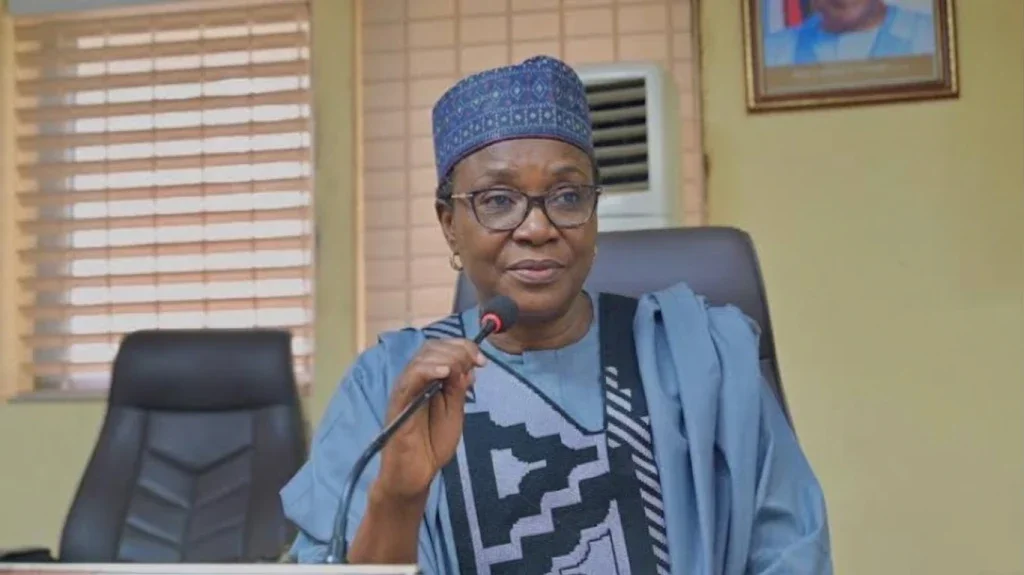
RMAFC Chairman, Mohammed Bello Shehu, announced the exercise at its flag-off ceremony in Owerri, Imo State. He said accurate geographical coordinates and the physical locations of oil and gas wells determine the legal and financial entitlements of the affected states.
Nine states involved in renewed verification
The fresh exercise follows complaints and disagreements over the findings of an earlier verification process. RMAFC previously discarded the draft report after receiving claims and counterclaims from states over the coordinates of disputed and newly drilled wells.
The commission subsequently reconstituted an Inter-Agency Technical Committee to review the disputed locations and improve the credibility of the process.
The latest field exercise will involve examining well coordinates, physically inspecting affected wellheads, plotting locations on approved maps and considering relevant court judgments.
The committee must submit its harmonised technical report and findings to RMAFC for review, ratification and formal adoption.
Why oil well locations matter for state revenue
Under Nigeria's derivation principle, oil and gas-producing states receive 13 per cent of revenue derived from natural resources produced within their territories.
The location assigned to a producing well therefore has direct implications for the distribution of derivation revenue. Where states disagree over the geographical position of wells, the resulting uncertainty can affect their respective revenue entitlements.
The verification exercise is intended to establish a technically defensible basis for determining which states should receive the derivation allocation associated with the affected wells.
However, RMAFC has not disclosed the amount of revenue currently in dispute or how much additional revenue any of the nine states could receive following the exercise.
Inter-agency committee to examine disputed well coordinates
The Inter-Agency Technical Committee includes representatives from the Office of the Surveyor-General of the Federation, the National Boundary Commission and the Nigerian Upstream Petroleum Regulatory Commission.
These institutions will contribute technical expertise in surveying, boundary determination and upstream petroleum regulation.
The commission has instructed the technical officers to ensure that their coordinates, assessments and physical observations can withstand legal and official scrutiny. The involvement of relevant agencies is intended to strengthen the accuracy of the findings and reduce the likelihood of further disputes.
The fresh verification also reflects the importance of addressing concerns raised during the previous exercise before RMAFC adopts a final report.
Implications for state finances and development funding
The outcome could influence the distribution of federally collected oil and gas revenue among the affected states. For states that depend heavily on Federation Account allocations, changes in derivation entitlements could affect available resources for public spending and capital projects.
This has implications for infrastructure provision, public housing programmes, urban development and other state-funded investments. However, any effect on development spending will depend on the final findings, the revenue amounts involved and how the respective state governments allocate their funds.
For the property and construction sectors, the exercise is relevant because state revenue capacity can influence infrastructure investment and the provision of services that support real estate development. Nevertheless, the verification itself does not guarantee increased infrastructure spending or new housing projects.
The immediate test for RMAFC will be whether the renewed exercise produces an accepted and transparent technical report that resolves the outstanding disagreements. Until the findings are formally adopted, the revenue implications for individual states remain undetermined.
READ MORE