Abuja Property Ownership Gains Ground as Investors Seek Long-Term Wealth
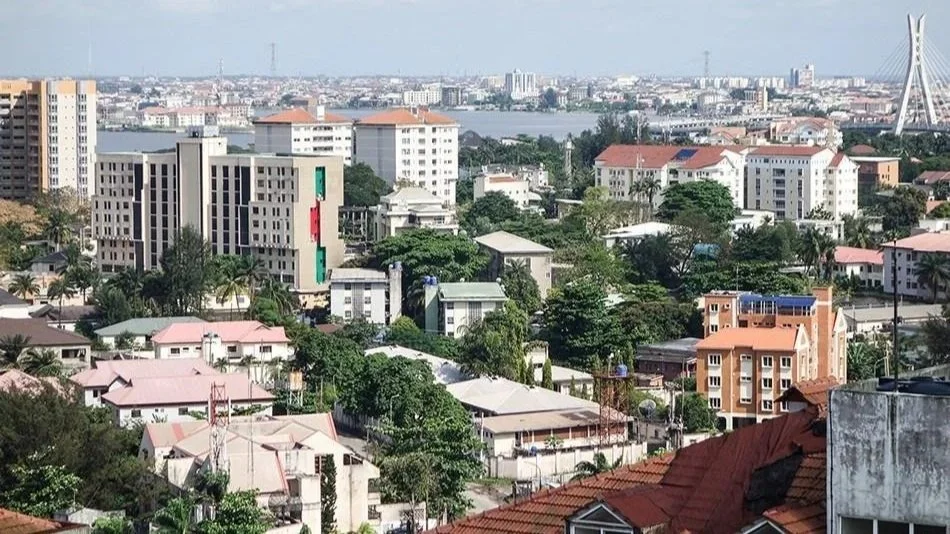
Property ownership gains traction in Abuja
Property ownership is increasingly being positioned as a long-term wealth creation and preservation strategy in Abuja, as developers target residential, commercial and land-based investments across emerging districts of the Federal Capital Territory.
The approach reflects a broader shift in Nigeria’s property market, where investors often view land and buildings not only as places to live or conduct business but also as long-term assets capable of generating rental income and appreciating in value.
/ You Might Also Like /




Developer Targets Ownership Beyond Property Sales
Abuja-based Exclusive Shelters says its development strategy extends beyond selling houses, plots and commercial spaces, with a focus on creating assets that can serve residential, business and investment purposes.
The developer’s Managing Director and Chief Executive Officer, Ahmad Bello Kawuwa, said the company is seeking to create opportunities for buyers to own assets that can potentially create, preserve and grow wealth over time.
The company’s approach includes developments in Dei-Dei and Karsana, two locations that represent different segments of Abuja’s property market.
Commercial Property Adds Income Potential
At Dei-Dei, Exclusive Shelters is developing a commercial project comprising lock-up shops, meat shops, open stores and other facilities.
The model combines commercial activity with ownership, allowing entrepreneurs to operate businesses from spaces they own while retaining ownership of the underlying real estate asset.
Such commercial property models can provide investors with two potential benefits: a physical asset and the possibility of income generation through business use or rental arrangements.
The approach also reflects the growing importance of neighbourhood and emerging-market commercial property as Abuja expands beyond its traditional central districts.
Karsana Development Targets Land and Home Ownership
In Karsana, the developer is pursuing a site-and-service model that allows buyers to acquire plots within a planned environment, with future off-plan residential development envisaged.
The model gives buyers the opportunity to secure land before developing a home, while potentially benefiting from future infrastructure and surrounding development.
Karsana is among several Abuja districts where infrastructure and urban expansion are reshaping property investment patterns. BusinessDay has reported that infrastructure improvements across Abuja have been increasing demand for land and housing in emerging districts, although the resulting price appreciation has also raised affordability concerns.
Location and Infrastructure Remain Critical to Property Value
The developer acknowledged that property performance depends on factors including location, infrastructure, accessibility, demand and broader economic conditions.
These factors increasingly influence where developers acquire land and where investors direct capital.
Across Abuja, improved roads and connectivity have opened previously less-developed districts to residential and commercial development. However, stronger accessibility can also accelerate land-price increases and speculative activity.
This creates a critical distinction between property ownership as a wealth-building strategy and property ownership purely for speculation. Sustainable value creation depends on actual development, infrastructure, demand and economic activity around an asset.
Documentation Becomes More Important as Investment Grows
The developer also highlighted documentation, customer education and after-sales service as part of its approach to property transactions.
This is particularly relevant in Nigeria's property market, where title verification, land documentation, development approvals and transaction transparency can significantly affect the security and value of an investment.
For investors, the growing emphasis on documentation reinforces the need for due diligence before acquiring land or property, particularly in rapidly developing areas where land values can change quickly.
Property Ownership and Nigeria’s Wealth Gap
Property remains an important store of wealth in Nigeria, but access to ownership is constrained by high property prices, construction costs, limited mortgage financing and household income levels.
BusinessDay’s broader analysis of Nigeria’s property market notes that limited access to mortgage finance keeps many transactions cash-based, making homeownership difficult for a significant proportion of households.
This means that while property ownership can provide a route to asset accumulation, the ability to participate in the market remains uneven.
The challenge for developers and policymakers is therefore not only increasing property investment but expanding ownership opportunities across different income groups.
Abuja’s Emerging Corridors Attract Investment
The development of areas such as Karsana and Dei-Dei reflects Abuja’s continuing outward expansion.
As infrastructure improves and population growth increases demand for housing, commercial space and services, emerging districts can attract developers seeking relatively less-developed locations with future growth potential.
However, infrastructure-led appreciation can also create affordability pressures. Recent analysis of Abuja’s property market found that new roads and other infrastructure have increased property values in several emerging districts, while rising prices and rents have placed additional pressure on low- and middle-income households.
Outlook
The growing emphasis on property ownership as a wealth strategy highlights the evolving role of real estate in Abuja’s economy.
Residential homes, commercial spaces and development land can serve different investment purposes, from providing shelter and business premises to generating rental income and preserving capital.
As Abuja expands, the performance of individual property investments will continue to depend on location, infrastructure, demand, documentation and broader economic conditions. For the market to translate rising property investment into wider wealth creation, however, ownership opportunities will also need to become more accessible beyond high-income investors.
READ MORE