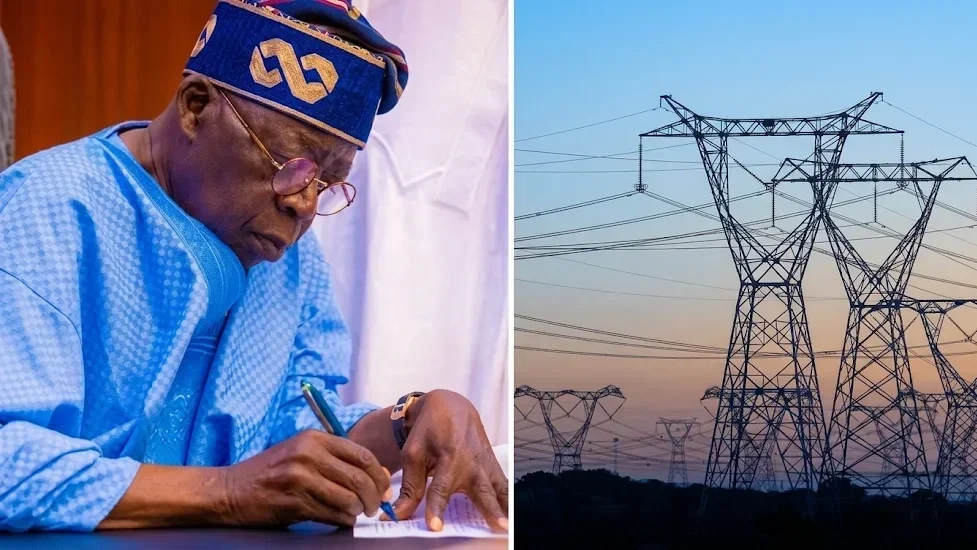
The Federal Government says it has raised ₦1.23 trillion under its plan to settle verified debts owed to electricity generation companies
The Federal Government has raised ₦1.23 trillion under its ₦3.3 trillion plan to settle verified legacy debts owed to electricity generation companies, as it pursues measures to improve liquidity and strengthen electricity supply across Nigeria.
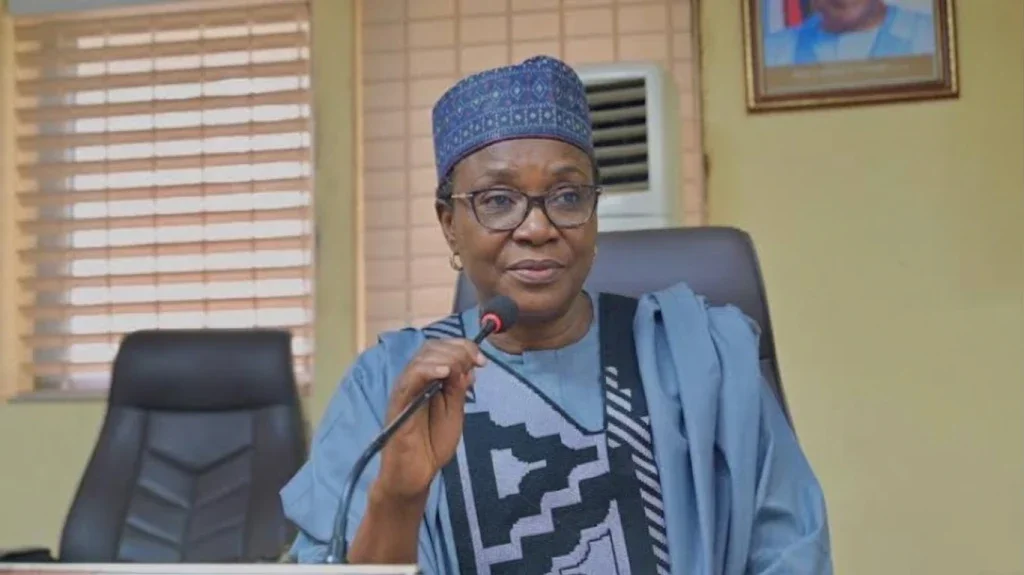
Minister of Power, Joseph Tegbe, disclosed the figure at the 6th Annual Conference of the Power Correspondents Association of Nigeria in Abuja. He said the intervention would ease financial pressure on generation companies, improve their ability to pay gas suppliers and support the maintenance of power plants.
/ You Might Also Like /




The announcement comes as the government continues implementing its Presidential Power Sector Financial Reforms Programme, which targets outstanding obligations accumulated across the electricity value chain.
The debt settlement programme
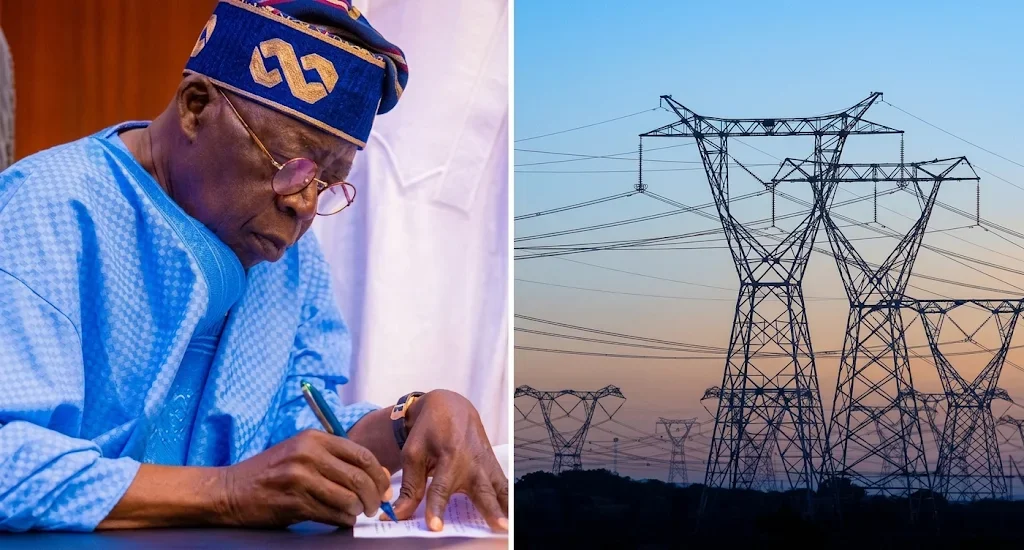
The ₦3.3 trillion settlement plan received presidential approval in April 2026, following a review of verified liabilities accumulated between February 2015 and March 2025. The Presidency described the amount as a full and final settlement of the agreed legacy debts.
The government said 15 generation companies had signed settlement agreements worth ₦2.3 trillion at the time of the initial announcement. It had raised ₦501 billion, of which ₦223 billion had been disbursed.
The latest ₦1.23 trillion figure indicates that funding raised under the programme has increased. However, the amount raised should not be confused with the total sum already paid to generation companies and other beneficiaries.
The intervention seeks to address liquidity constraints that have affected payments to power producers and gas suppliers, limiting their capacity to sustain generation and maintain infrastructure.
Government reports progress on metering and transmission
Tegbe also disclosed that more than 2.8 million electricity customers had been metered under the Presidential Metering Initiative. The programme aims to reduce collection losses and improve revenue assurance across the electricity market.
He said Nigeria had added more than 15,000 megavolt-amperes (MVA) of transmission capacity to the national grid between 2023 and October 2026.
According to the minister, recently commissioned substation equipment in locations including Apapa, Ijora, Ikeja, Kumbotso, Mashi and Dan-Agundi had contributed more than 1,300MVA to transmission capacity over the preceding two months.
The government also commenced construction of a new National Grid Control Centre in Osogbo to replace the existing facility, which the minister said was more than 60 years old.
In addition, the Rural Electrification Agency has connected universities, hospitals and rural communities to solar power systems.
Power sector roadmap targets major economic corridors
The minister outlined four strategic priorities for the government's electricity sector roadmap: grid stabilisation, sector liquidity and sustainability, asset optimisation, and grid expansion and enhancement.
A central feature is a corridor-based approach intended to prioritise areas with high electricity demand and economic activity. The identified corridors include Lagos–Ogun, Benin–Enugu–Port Harcourt, and Abuja–Kaduna–Kano.
Tegbe said the Lagos–Ogun axis and Abuja franchise area account for more than 50 per cent of national electricity demand. The government plans to use them as pilot locations for proposed 24-hour energy zones, subject to technical readiness and commercial viability.
The minister also identified vandalism as a continuing threat to electricity infrastructure. He said the President had approved a coordinated anti-vandalism campaign involving security agencies and a strengthened legal framework to protect critical power assets.
Seasonal generation constraints remain a concern
Despite the reported investments and interventions, electricity supply continues to face structural challenges.
At the conference, Power Correspondents Association of Nigeria chairman Obas Esiedesa highlighted recurring declines in generation between November and March. He attributed the seasonal pressure partly to reduced water inflows into hydroelectric power stations and gas supply constraints affecting thermal plants.
He called for stronger coordination among government agencies, regulators, generation companies and gas suppliers to ensure adequate fuel supplies, particularly during periods of reduced hydropower generation.
The concerns point to the limits of debt repayment as a standalone solution. Improving electricity supply also requires reliable gas availability, effective transmission and distribution networks, predictable regulation and a financially sustainable market.
Implications for property development and housing costs
Electricity reliability remains a significant operating-cost consideration for Nigeria's property market. Developers, landlords, commercial property operators and households often depend on alternative power sources when grid supply is inadequate, adding to construction, maintenance and occupancy costs.
A sustained improvement in electricity supply could reduce reliance on diesel and petrol generators, lower energy expenditure for businesses and improve the operating environment for residential and commercial developments.
However, the ₦1.23 trillion raised under the debt settlement programme does not, by itself, establish that consumers will receive more reliable electricity or lower energy bills. The impact will depend on whether the intervention translates into consistent payments, improved generation, adequate gas supply and stronger transmission and distribution performance.
For the housing and real estate sector, the key measure will therefore be the extent to which the government's financial and infrastructure interventions deliver more dependable electricity to homes, construction sites and commercial properties.
READ MORE