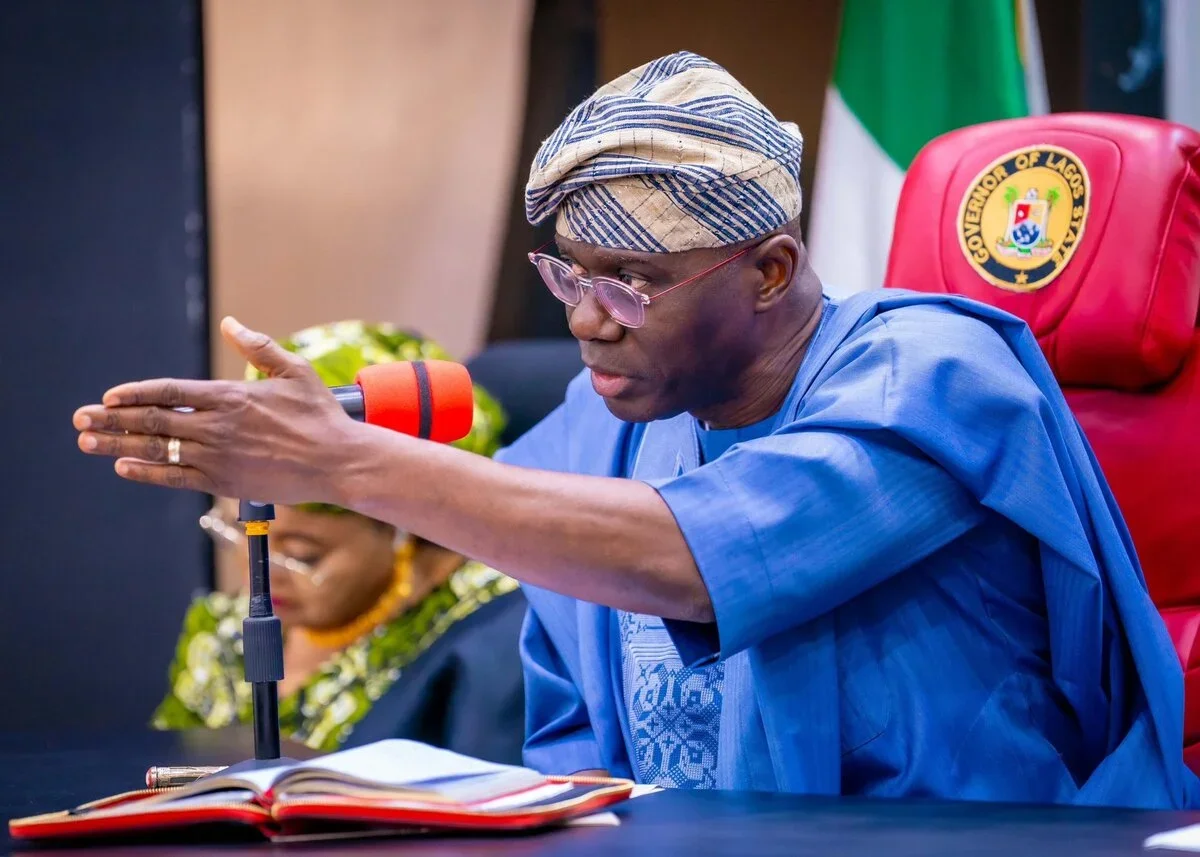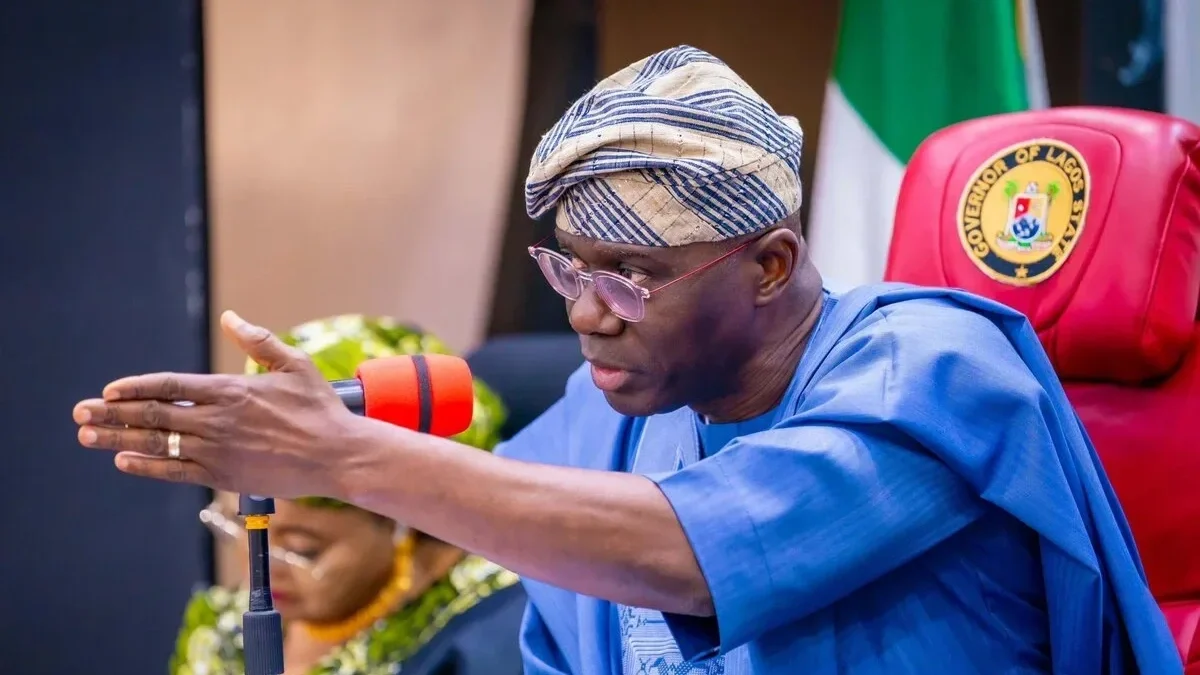
Lagos State Governor Babajide Sanwo-Olu outlines the state’s long-term economic ambitions
Lagos State has set a long-term target of building an economy worth nearly $1 trillion by 2052, with Governor Babajide Sanwo-Olu identifying infrastructure investment, technology, industrial development and more efficient public services as key priorities.
/ You Might Also Like /




Alongside the economic ambition, the governor has ordered the clearance of a backlog of land documents awaiting the Governor’s Consent, highlighting property administration as an immediate issue within the state’s broader development agenda.
The directives and targets form part of the Lagos State Development Plan 2052, a long-term framework covering 447 initiatives across 21 strategic sectors. The plan seeks to position Lagos as a globally competitive economic centre, supported by modern infrastructure, a thriving economy, a human-centred city and effective governance.
For the property market, the combination of land-administration reforms and infrastructure investment is significant. However, the long-term economic target remains an ambition, and its impact on property development will depend on implementation, funding and the pace of improvements in the business environment.
Lagos Orders Clearance of Land Documents Awaiting Governor’s Consent
Sanwo-Olu has directed officials to clear outstanding land documents awaiting the Governor’s Consent, acknowledging delays in the processing of property transactions.
The governor said the state expected the officials responsible for signing land documents to improve processing and eliminate administrative excuses for delays. He also indicated that officials had committed to clearing the backlog.
Governor’s Consent is an important stage in many land transactions in Lagos, particularly where a transaction involving an interest in land requires the governor’s approval under the applicable land laws.
Delays can complicate property transfers, create uncertainty for buyers and sellers, and make it harder for owners to complete transactions involving their assets. For developers and investors, slow documentation processes can also affect project timelines, financing arrangements and the ability to establish clear title.
Clearing the backlog could improve transaction efficiency and help property owners use their assets more effectively. However, the practical outcome will depend on the number of outstanding applications resolved, the time required to process new applications and the consistency of the system after the backlog has been addressed.
The government has not provided a detailed public breakdown of the backlog, including the total number of pending files, their age or a verified completion schedule.
Development Plan Targets $1tn Economy by 2052
The Lagos State Development Plan 2052 sets out a long-term ambition to grow the state’s economy to between $800 billion and $1 trillion by 2052.
The framework covers 21 strategic sectors, including housing, real estate, transport, energy, financial services, manufacturing, technology, healthcare and logistics.
Its four pillars are a thriving economy, a human-centred city, modern infrastructure and effective governance. The strategy depends on sustained investment, coordination across government agencies and a business environment capable of attracting private capital.
At a business meeting organised by the Nigerian-British Chamber of Commerce, Sanwo-Olu urged businesses to view Lagos not only as a large consumer market but also as a platform for production, innovation, regional trade and international investment.
He also said the state’s budget had increased from approximately ₦700 billion in 2019 to ₦4.2 trillion in 2026, reflecting growing public investment needs and the importance of strengthening revenue generation.
The size of the budget does not, by itself, establish how much funding will go towards individual projects under the 2052 plan. Delivery will depend on annual budget allocations, revenue performance, private-sector participation and measurable progress against the plan’s targets.
Transport and Port Infrastructure Shape Growth Prospects
Sanwo-Olu identified the Blue and Red rail lines, changes to electricity regulation, improved digital connectivity and investment in social infrastructure as elements of Lagos’ wider development strategy.
The Lekki Deep Sea Port and industrial developments also feature in the state’s economic ambitions, particularly in relation to manufacturing, logistics and regional trade.
Transport and port infrastructure can influence where businesses locate, how goods move and which areas attract residential, commercial and industrial development. Better connectivity may also expand the range of locations accessible to workers and businesses.
For the real estate sector, these effects can influence demand for warehouses, industrial premises, offices and housing near employment centres and transport corridors.
However, infrastructure investment does not guarantee property-price growth or increased housing affordability. The benefits depend on the quality and reliability of services, land availability, development costs and the ability of housing supply to respond to demand.
The state’s long-term plan will therefore need to connect infrastructure delivery with land-use planning, housing provision and supporting services if economic expansion is to improve living conditions across Lagos.
Housing and Real Estate Remain Important to the Plan
Housing and real estate are among the sectors covered by the Lagos State Development Plan 2052. Their role extends beyond property construction to the provision of homes, infrastructure, utilities and accessible urban services for a growing population.
Administrative improvements in land documentation could complement these objectives by reducing uncertainty around transactions and making it easier for owners to establish and transfer recognised property interests.
At the same time, the state faces the challenge of ensuring that economic growth does not translate into housing opportunities only for higher-income households. Rising demand for land and property can place pressure on rents and purchase prices where infrastructure, formal housing supply and access to finance fail to keep pace.
A credible implementation strategy would therefore need to connect land administration and infrastructure investment with practical measures that support housing delivery and access to secure, affordable homes.
For developers and investors, the key indicators to monitor include the clearance of pending land documents, the processing time for new applications, progress on major transport projects and the delivery of housing and supporting infrastructure.
Implementation Will Determine Whether Lagos Meets Its 2052 Ambition
Lagos’ $1 trillion economic target provides a long-term direction for investment and public-sector planning, but achieving it will require consistent delivery across the 21 sectors covered by the plan.
The immediate land-document directive offers a more measurable test of implementation. Publishing the number of outstanding applications, reporting how many have been resolved and establishing clear processing timelines would help property owners assess whether administrative efficiency is improving.
The wider development plan will also require transparent project milestones, sustained funding and coordination between government agencies and private investors.
For the property market, the most meaningful results will be improvements that make transactions more predictable, infrastructure more reliable and housing development more responsive to demand.
Lagos’ long-term economic ambition is substantial. Whether it creates a more functional property market will depend on how effectively the state converts its plans into administrative reforms, completed infrastructure and housing outcomes.
READ MORE