Insecurity Forces Katsina Residents to Abandon Major Roads
Transport Disrupted in Katsina as Security Fears Intensify
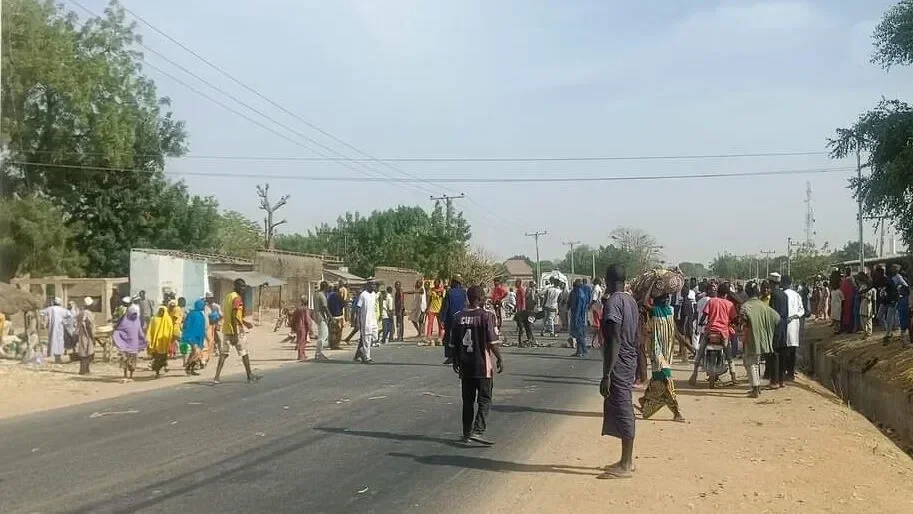
Residents and motorists in Katsina State have begun avoiding several major roads following a resurgence of bandit attacks, underscoring deepening insecurity in north-west Nigeria. The development has disrupted mobility, heightened fear among communities, and raised concerns over economic activity and public safety across affected areas.
Worsening Security Conditions
Reports indicate that armed groups have intensified attacks along key routes, targeting travellers and local communities. The frequency of ambushes has forced commuters to abandon major roads entirely, with many opting for longer, less secure alternative routes or suspending travel altogether.
/ You Might Also Like /




Recent incidents include attacks on vehicles and security personnel, reflecting a broader pattern of violence in the state. According to local authorities, bandits have carried out coordinated assaults, sometimes blocking highways and opening fire on motorists.
Impact on Mobility and Local Economies
The abandonment of critical road networks has significant economic implications. Katsina, like many northern states, relies heavily on road transport for trade, agriculture, and inter-community commerce. Disruptions to movement affect supply chains, increase transportation costs, and limit access to markets.
For rural communities, restricted mobility also reduces access to essential services, including healthcare and education. Insecurity along transport corridors compounds existing developmental challenges and deepens regional inequalities.
Broader Security Context
Katsina State remains one of the epicentres of Nigeria’s ongoing banditry crisis, characterised by armed raids, kidnappings, and attacks on villages and infrastructure. Data from multiple incidents in 2026 shows persistent violence, including deadly assaults on communities and security forces.
The situation reflects a wider security challenge across north-west and north-central Nigeria, where criminal groups exploit weak enforcement capacity and difficult terrain to sustain operations. Analysts note that attacks on roads and transport networks are strategic, as they disrupt economic activity and amplify fear.
Government and Security Response
Authorities have intensified security operations in response to the renewed attacks. The Katsina State Government recently convened an emergency security meeting involving military, police, and other agencies to coordinate responses and restore order.
Security forces have also increased patrols and deployed additional resources to affected areas. However, recurring incidents suggest that enforcement efforts have yet to fully stabilise the situation.
Implications for Policy and Investment
For policymakers, the crisis highlights the urgent need for sustained investment in security infrastructure, intelligence gathering, and rural protection strategies. Ensuring safe transport corridors remains critical for economic stability and investor confidence in the region.
For businesses and investors, persistent insecurity introduces operational risks, particularly in sectors dependent on logistics and supply chain reliability. The disruption of road networks may also deter investment in agriculture and trade hubs across northern Nigeria.
The decision by residents to abandon major roads in Katsina reflects the severity of the state’s security challenges. As attacks continue to target transport routes, restoring safety will require coordinated security interventions and long-term structural reforms.
Stabilising mobility corridors is essential not only for public safety but also for sustaining economic activity and rebuilding confidence in one of Nigeria’s most affected regions.
READ MORE