Kano Emerges Among World's Largest Cities, Spotlighting Housing Needs
Kano has been ranked among the world's 10 most populous cities, highlighting the rapid pace of urbanisation in northern Nigeria and reinforcing the growing need for expanded housing supply, infrastructure investment and sustainable urban planning. According to the latest World Population Review city population estimates, Kano now ranks ninth globally with an estimated population of more than 17.5 million, making it the only West African city to feature in the global top 10 under the ranking methodology used.
/ You Might Also Like /




While the ranking reflects Kano's demographic significance, it also draws attention to the challenges associated with accommodating one of Africa's fastest-growing urban populations. Rising population density is expected to increase demand for residential housing, transportation networks, healthcare facilities, schools, water supply and other essential urban services.
Urban Growth Driving Housing Demand
Population growth remains one of the strongest drivers of housing demand. As more people move into urban centres in search of economic opportunities, cities face increasing pressure to expand residential developments while ensuring adequate access to infrastructure and public services.
For Kano, continued population growth presents opportunities for increased investment in affordable housing, mixed-use developments and urban regeneration. At the same time, it highlights the need for coordinated planning to prevent overcrowding, uncontrolled urban expansion and the proliferation of informal settlements.
Infrastructure Becomes Increasingly Critical
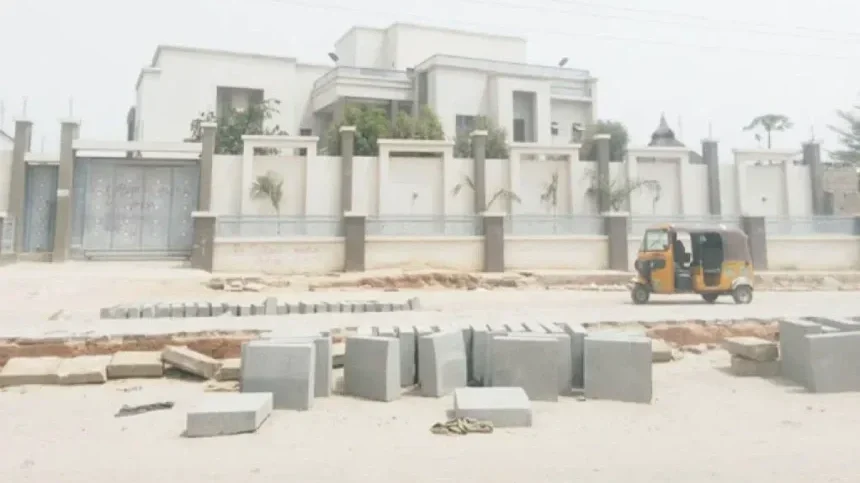
Rapid urbanisation requires substantial investment in infrastructure to support growing populations. Roads, public transport systems, electricity networks, water supply, drainage and waste management all play a critical role in ensuring that expanding cities remain productive and liveable.
Without corresponding infrastructure investment, population growth can place significant strain on existing public services, increase commuting times and reduce the quality of urban living.
For developers, infrastructure availability also influences project viability, land values and investment decisions across residential and commercial real estate markets.
Opportunities for Real Estate Investment
Kano's growing population presents long-term opportunities across Nigeria's property market.
Increasing demand for housing could support new residential developments, rental accommodation, commercial centres and mixed-use communities designed to serve expanding urban populations. Investors may also find opportunities in logistics facilities, neighbourhood retail developments and supporting social infrastructure.
However, industry experts have consistently noted that expanding housing supply must be accompanied by improved access to land, housing finance and enabling infrastructure to achieve sustainable urban growth.
Planning for Sustainable Urban Development
Urban planners have increasingly emphasised the importance of integrating housing policy with transportation, land administration and infrastructure planning.
As cities continue to grow, proactive planning can help improve land use efficiency, reduce development costs and support more inclusive urban expansion.
Kano's growing population therefore reinforces the need for coordinated policies that balance economic growth with investments in housing, infrastructure and public services.
Outlook
Kano's position among the world's most populous cities reflects both the opportunities and challenges created by rapid urbanisation. While population growth can stimulate economic activity and attract investment, it also increases demand for affordable housing and modern infrastructure. For policymakers, developers and investors, the city's continued expansion highlights the importance of long-term planning to ensure sustainable urban development and improve the quality of life for residents.
READ MORE