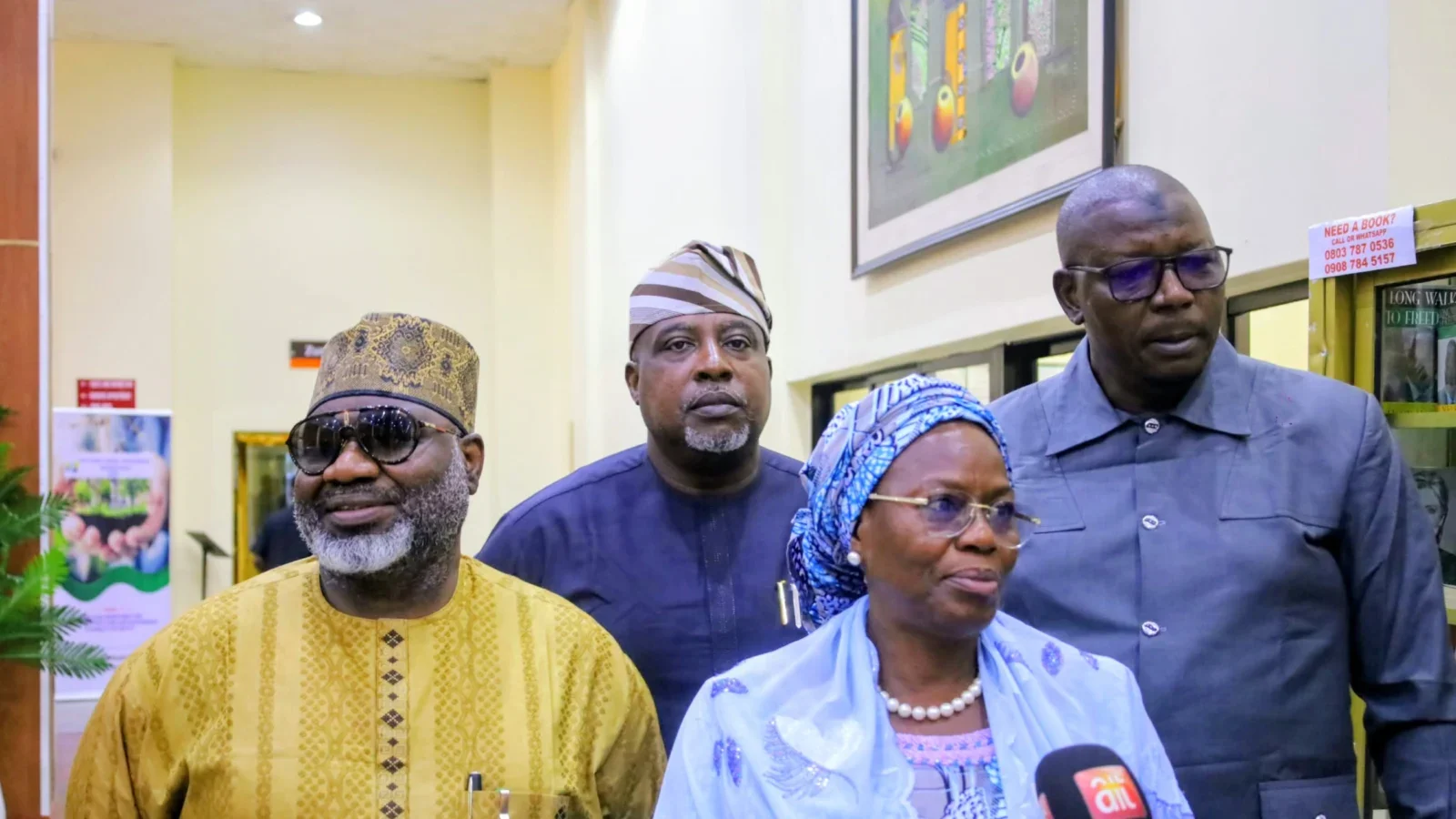
Waste management stakeholders in Lagos are calling for a dedicated ministry to strengthen environmental governance
Waste management stakeholders in Lagos State have called for the establishment of a standalone Ministry of Waste Resources to improve environmental governance, attract private investment and transform the state's waste management system into a more productive economic sector.
The proposal emerged from a Lagos Waste Governance Reform meeting held on Thursday, November 5, as part of recommendations being developed for the incoming Lagos State administration in 2027.
/ You Might Also Like /




The stakeholders want a dedicated ministry, headed by a cabinet-level commissioner, to coordinate waste management policies, promote recycling and support the recovery of valuable materials from discarded waste.
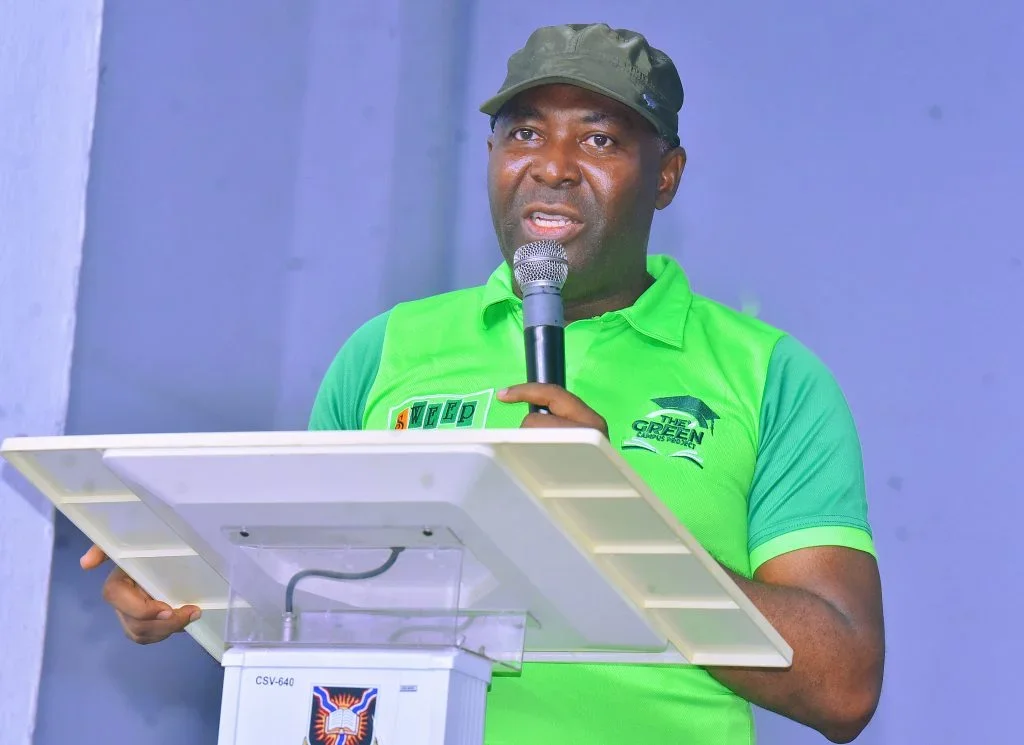
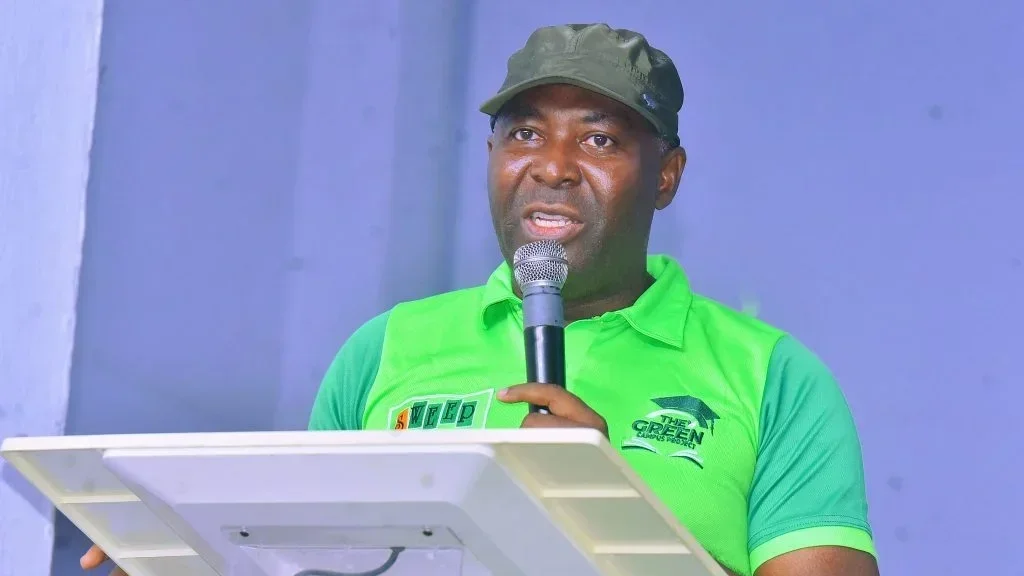
The Lagos Waste Forum, convened by Philips Obuesi, President and Chief Executive Officer of SWEEP Foundation NG, will consolidate the recommendations into a policy brief for presentation to the incoming governor.
Stakeholders propose new ministry and institutional reforms
The proposed Ministry of Waste Resources would provide centralised leadership for a sector that stakeholders believe requires stronger coordination, technical expertise and investment.
They also called for experienced waste management professionals to lead the Lagos State Waste Management Authority (LAWMA), arguing that technical competence should guide appointments and operational decisions.
Another major recommendation involves separating LAWMA's regulatory responsibilities from its waste collection operations. The stakeholders believe this would strengthen oversight, improve accountability and reduce potential conflicts between regulation and service delivery.
The proposals seek to move waste management beyond conventional collection and disposal towards a system that supports recycling, processing and the commercial recovery of useful materials.
Recycling and waste processing targeted for expansion
The stakeholders identified household waste separation as a priority for improving recycling and reducing the volume of refuse sent to disposal facilities.
They proposed financial incentives to encourage households to separate waste at source, alongside modular waste processing plants across local government areas.
These facilities could support local recycling businesses, create employment and allow more discarded materials to re-enter productive supply chains.
The recommendations also call for stronger partnerships between private sector participation operators and informal waste collectors, including waste pickers who already play an important role in recovering recyclable materials.
The stakeholders want informal workers integrated into formal waste management arrangements, with better occupational protection, community education and opportunities to participate in the expanding recycling economy.
Outdated waste data remains a major challenge
The meeting identified outdated waste collection data as a significant obstacle to effective planning, monitoring and enforcement across Lagos.
To address this, stakeholders recommended street-level data collection, comparisons of waste management performance across local governments and stronger accountability in public spending.
They also identified registration difficulties and inadequate access for waste evacuation as infrastructure challenges requiring attention.
Improved data would help the state identify waste generation patterns, monitor service providers and determine where collection and processing infrastructure is most urgently needed.
The recommendations further emphasised the need to include women's perspectives in the proposed policy framework and expand environmental education through local languages.
Waste management reform could unlock investment opportunities
The proposed reforms could create new opportunities for private investment in recycling, waste processing, material recovery and supporting infrastructure.
A shift towards a circular economy would allow businesses to recover valuable materials from waste rather than treating refuse solely as a disposal problem.
For Lagos, this could support new industrial activities, create jobs and improve the efficiency of urban waste management. However, achieving these outcomes would require predictable regulations, reliable waste collection systems, access to financing and clearly defined responsibilities across government agencies and private operators.
The proposal for a dedicated ministry also raises questions about how a new institution would coordinate with existing environmental agencies, particularly LAWMA, and whether institutional restructuring would improve service delivery.
The recommendations are not yet government-approved policies. Their implementation will depend on whether the incoming administration adopts the proposals and provides the institutional, financial and operational support required.
For a rapidly expanding city such as Lagos, the effectiveness of waste management infrastructure will remain important to public health, environmental quality and the long-term sustainability of residential and commercial development.
READ MORE