FG Targets Power Supply Recovery Within 72 Hours as Grid Constraints Persist
The Federal Government expects electricity supply to begin improving within 48 to 72 hours as it works to restore affected generating units and address transmission constraints responsible for prolonged outages across parts of Nigeria.
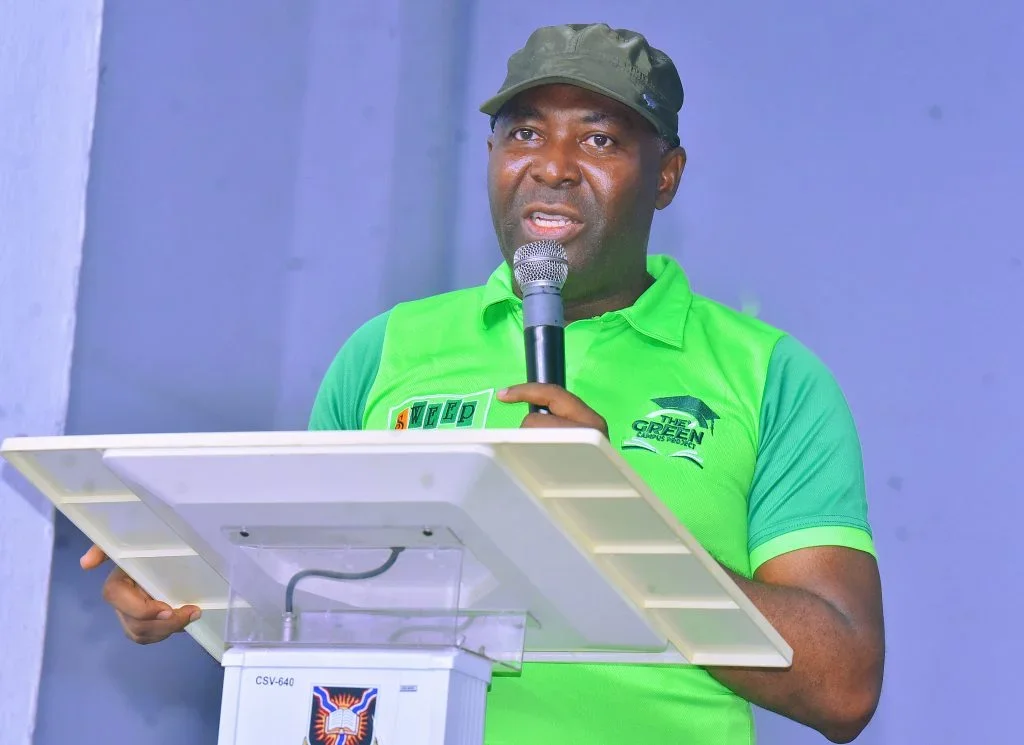
Minister of Power Joseph Tegbe gave the assurance on November 6, following complaints from households and businesses in four affected states, including Lagos and the Federal Capital Territory.
/ You Might Also Like /




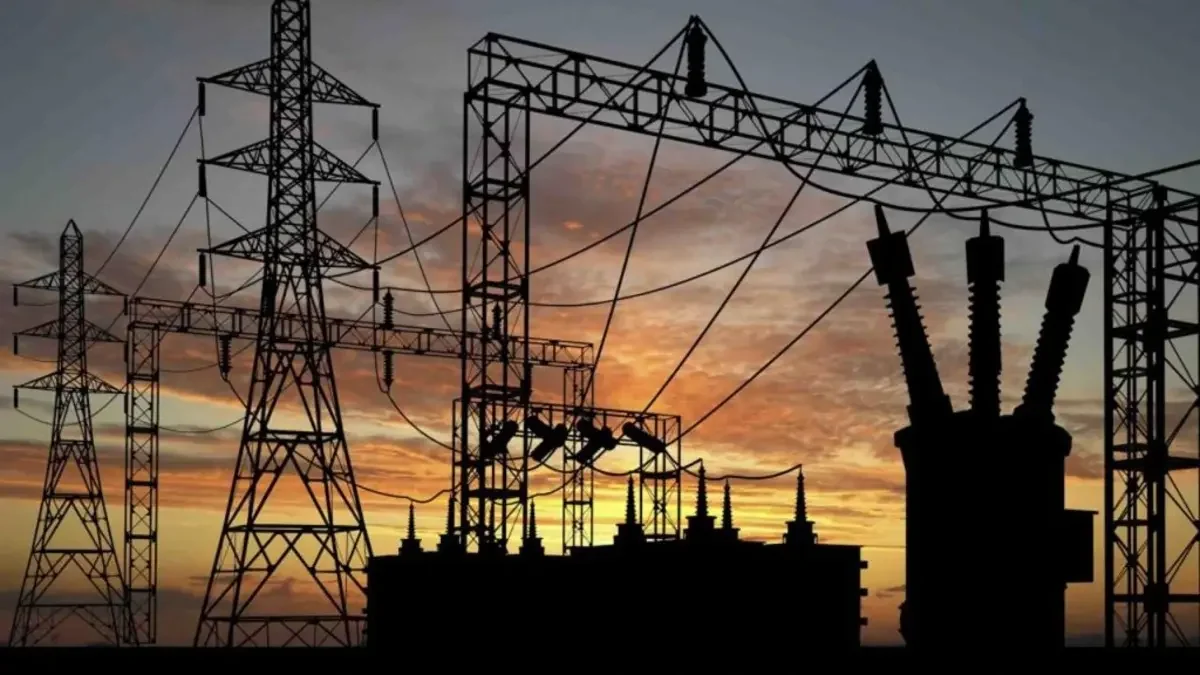
He attributed the supply disruptions to planned maintenance at Egbin Power Station, inadequate gas supply to some thermal power plants and sabotage of critical transmission lines. These challenges have reduced electricity available on the national grid and forced operators to introduce load shedding in affected areas.
The minister said the government was working with electricity sector operators to restore generating capacity, improve gas supply and accelerate repairs to damaged infrastructure.
Egbin maintenance reduces electricity generation
Tegbe identified planned maintenance at Egbin Power Station in Lagos as one of the major factors behind the recent decline in electricity supply.
The facility, which he described as Nigeria's largest thermal power station, accounts for approximately 16% of electricity supplied to the national grid.
Its reduced output, combined with gas supply constraints affecting other thermal plants, has limited the amount of electricity available for distribution.
Grid operators have consequently introduced load shedding to manage the shortfall, leaving some communities with fewer hours of electricity.
The minister said the affected generating units would return to service in phases, with the first units expected to come back online within 48 to 72 hours.
Transmission line sabotage compounds supply constraints
The minister also identified sabotage of critical transmission infrastructure as another factor worsening electricity supply, particularly in Lagos.
He said damage to key transmission lines had restricted the use of alternative routes for delivering electricity to some locations.
The government is therefore working to accelerate repairs and restore the affected infrastructure to improve the transmission network's ability to deliver available electricity.
The situation highlights the interconnected challenges facing Nigeria's power sector. Even when generating plants produce electricity, transmission constraints can limit its movement to distribution companies and end users.
Similarly, improvements to transmission infrastructure alone cannot resolve shortages when generation remains constrained by inadequate gas supplies or maintenance activities.
Power supply dispute raises accountability concerns
The latest assurance comes amid a public disagreement between the Transmission Company of Nigeria (TCN) and Ikeja Electric over the causes of recent outages affecting customers in Lagos.
Ikeja Electric had attributed interruptions on some Band A feeders on November 3 and 4 to grid instability. TCN rejected the explanation, arguing that inadequate gas supply, reduced hydroelectric generation and problems within Ikeja Electric's distribution network accounted for much of the disruption.
TCN said 68% of recorded feeder interruptions resulted from frequency-control load shedding caused by low generation. It attributed another 26% to Ikeja Electric's alleged failure to comply with allocated power limits, as well as faults and maintenance on its distribution network.
The transmission company attributed the remaining 6% to its own planned maintenance, switching operations and transmission line limitations.
The disagreement has exposed the difficulty consumers face in identifying where responsibility lies when electricity supply falls below expected levels.
Unreliable electricity increases property operating costs
Persistent power disruptions continue to place additional financial pressure on households, businesses and property operators.
Residential estates, office complexes, shopping centres and industrial facilities often rely on generators, inverters and other backup systems when grid supply becomes unreliable. These alternatives increase expenditure on fuel, equipment maintenance and electricity infrastructure.
For landlords and property managers, higher energy costs can affect service charges and the overall cost of maintaining buildings. Businesses operating from commercial premises also face increased operating expenses, which can influence rental affordability and demand for certain locations.
The disruptions therefore have implications beyond the electricity sector. Reliable power remains an important factor in the attractiveness of residential and commercial developments, particularly in major urban centres such as Lagos and Abuja.
Although the government's 48-to-72-hour target offers some prospect of relief, the return of the first affected generating units does not necessarily mean that electricity supply will immediately return to normal across all affected areas.
A sustained improvement will depend on resolving gas supply constraints, completing maintenance work, repairing damaged transmission infrastructure and ensuring that distribution companies can deliver available electricity to consumers.
READ MORE