Yemi Cardoso Appointed AFC Chairman in Major African Finance Leadership Move
CBN Governor Yemi Cardoso Appointed to Lead Africa Finance Corporation
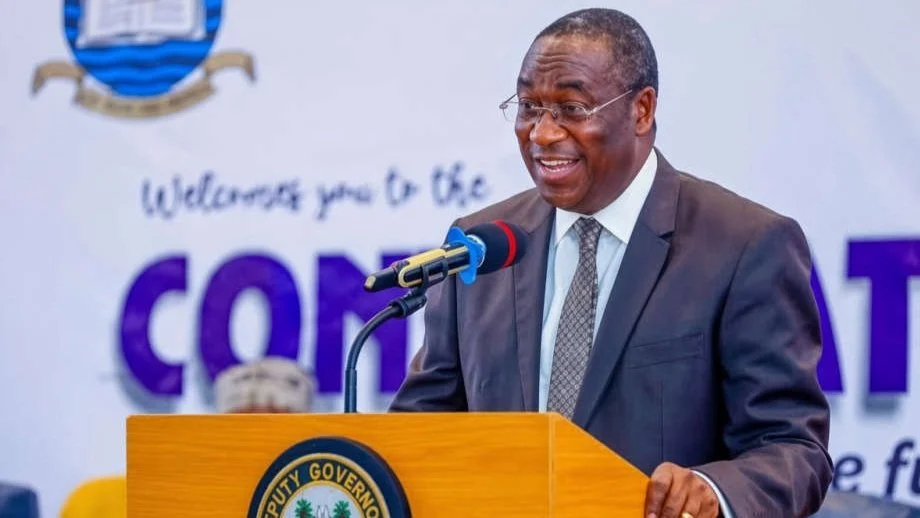
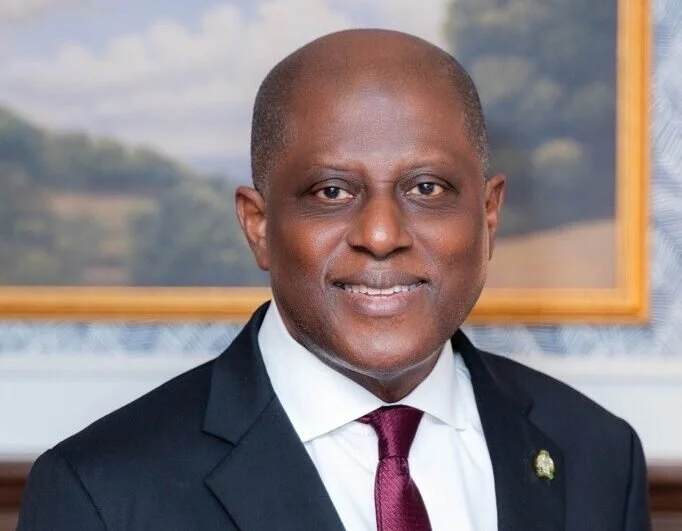
Central Bank of Nigeria (CBN) Governor Yemi Cardoso has been appointed chairman of the Africa Finance Corporation (AFC), according to a report published on October 14, 2026. The appointment places Nigeria’s central bank governor in a leadership position at a major African infrastructure financing institution, bringing renewed attention to the role of development finance in mobilising capital for the continent’s economic growth.
/ You Might Also Like /




The development comes as African governments and private-sector investors seek financing for infrastructure, industrial development, energy projects and other investments needed to support economic expansion.
Cardoso’s Appointment Expands His Financial Leadership Role
Cardoso has led the CBN since September 2023, overseeing monetary policy and financial-sector reforms aimed at strengthening macroeconomic stability, improving foreign exchange market operations and rebuilding investor confidence.
His tenure has included efforts to improve monetary policy transmission, address foreign exchange market challenges and strengthen the resilience of Nigeria’s banking system through recapitalisation.
The AFC appointment adds a continental infrastructure finance dimension to his leadership profile. However, the specific responsibilities attached to his new position, the tenure and the arrangements for combining the role with his CBN governorship have not been established in the available announcement.
AFC Plays a Key Role in African Infrastructure Financing
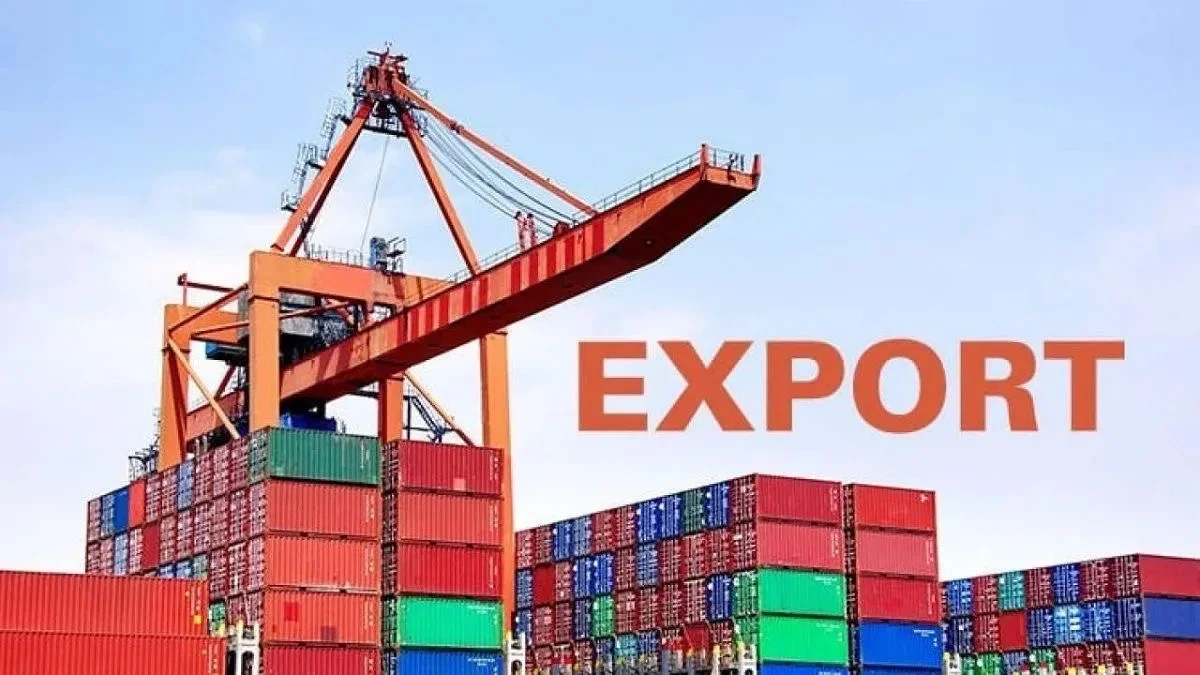
The Africa Finance Corporation is a multilateral financial institution established to support infrastructure development and economic growth across Africa. Its activities span sectors including power, natural resources, transport, telecommunications and industrial development.
The institution mobilises capital for projects that can help address infrastructure gaps, improve productivity and strengthen economic integration across African markets.
Infrastructure financing remains a major challenge for the continent, where governments often face competing demands on public funds while private investors assess project risks, regulatory conditions and expected returns.
Development finance institutions such as AFC help bridge some of these gaps by providing investment capital, structuring transactions and working with governments and private-sector partners to advance projects.
Why the Appointment Matters for Nigeria
Nigeria’s representation in the leadership of a major African financing institution could provide an opportunity to strengthen engagement on regional investment and infrastructure development.
The country faces substantial financing needs across power generation, transport infrastructure, industrial capacity and urban development. These constraints also affect housing delivery, where inadequate infrastructure, high construction costs and limited access to long-term financing can undermine project viability.
Improved access to infrastructure capital can support housing markets indirectly by strengthening transport links, expanding electricity supply and making new residential developments more commercially viable.
However, Cardoso’s appointment alone does not guarantee additional financing for Nigeria or its housing sector. Any direct benefits will depend on the corporation’s investment decisions, project assessments and financing arrangements.
Infrastructure Investment Remains Critical to Africa’s Growth
African economies require sustained investment to close infrastructure gaps, improve trade connectivity and support industrial expansion. Mobilising this capital requires coordination among governments, financial institutions, development partners and private investors.
AFC’s role in financing infrastructure projects makes its leadership relevant to these priorities, particularly as African countries seek to attract more private capital while managing fiscal pressures.
For Nigeria, the broader significance of Cardoso’s reported appointment will depend on how it translates into institutional engagement, investment opportunities and support for viable projects.
The development places African infrastructure financing in focus, but its practical implications for Nigeria will become clearer as further details emerge about Cardoso’s responsibilities and the corporation’s investment priorities.
READ MORE