Hybrid Motors Secures $95 Million Investment for EV Factory, Charging Network in Lagos and Abuja
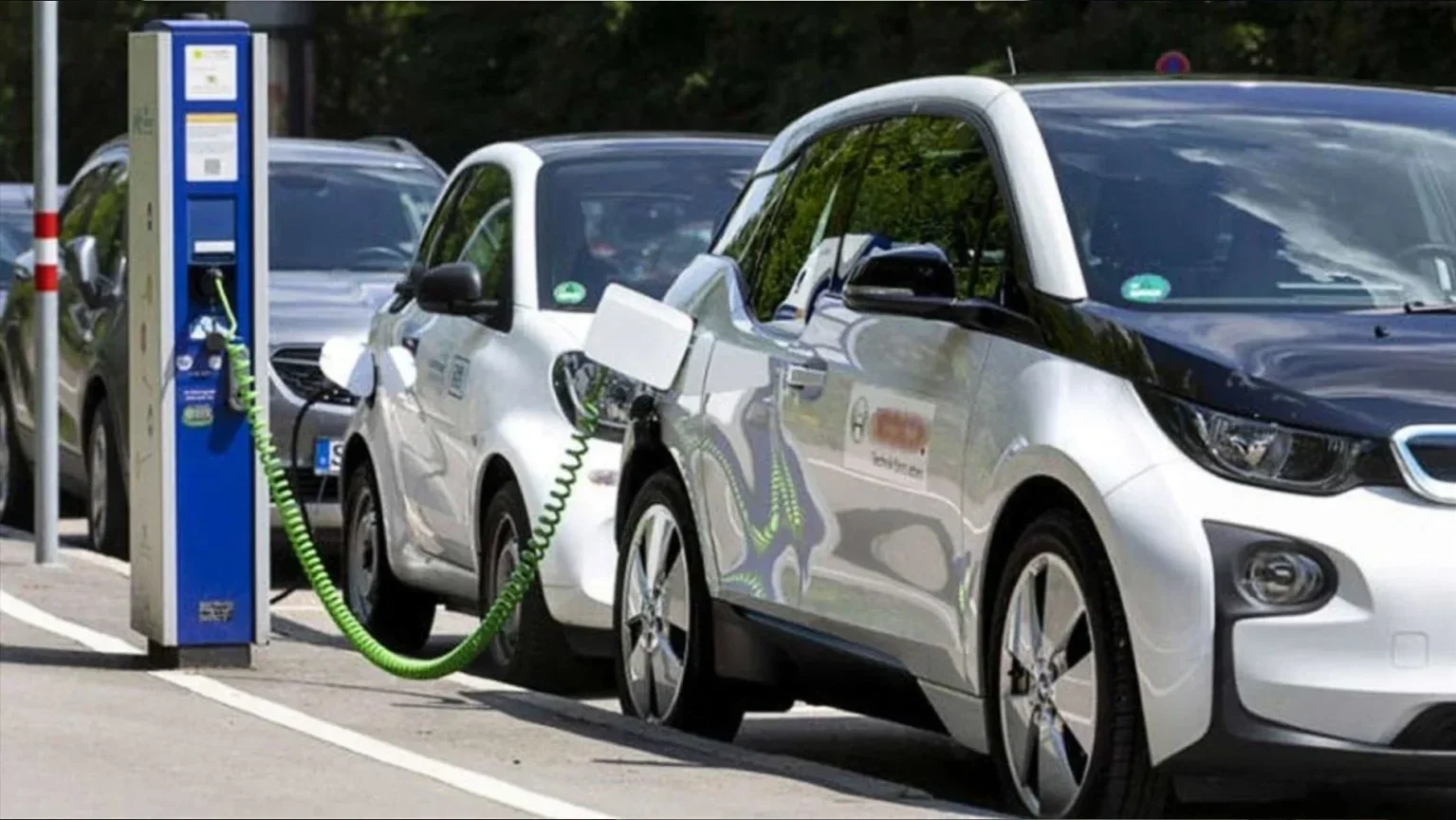
Electric Mobility Boost as Hybrid Motors Secures $95 Million Investment
Hybrid Motors has secured a $95 million investment to establish an electric vehicle (EV) manufacturing facility and develop a network of mega charging stations in Lagos and Abuja, marking one of the largest recent investments in Nigeria’s emerging electric mobility sector.
The investment is expected to accelerate the company's expansion plans while supporting broader efforts to promote sustainable transportation, reduce dependence on fossil fuels and strengthen local automotive manufacturing capacity. The project comes as Nigeria continues to explore cleaner transportation alternatives amid rising fuel costs and growing environmental concerns.
/ You Might Also Like /




Investment Targets EV Manufacturing Expansion
According to reports, the funding will be deployed towards the construction of a new electric vehicle production facility designed to support local assembly and manufacturing operations. The factory is expected to increase domestic production capacity and reduce reliance on imported electric vehicles.
The planned facility forms part of a broader strategy to develop Nigeria’s electric vehicle value chain while creating opportunities for local sourcing, skills development and technology transfer.
Industry stakeholders have consistently argued that local manufacturing remains critical to reducing vehicle costs and accelerating EV adoption across the country. By producing vehicles domestically, manufacturers can potentially lower logistics expenses and improve market accessibility.
The investment also reflects growing investor confidence in Nigeria’s clean transportation market and the long-term prospects of the electric mobility sector.
Mega Charging Stations Planned for Lagos and Abuja
A significant portion of the funding will support the development of large-scale charging infrastructure in Lagos and Abuja, Nigeria’s two largest urban centres.
The planned charging stations are expected to address one of the biggest challenges facing electric vehicle adoption: access to reliable charging facilities. Limited charging infrastructure has remained a major obstacle to widespread EV deployment across many African markets.
By establishing strategically located charging hubs, Hybrid Motors aims to improve convenience for EV users and strengthen confidence among prospective buyers considering a transition from conventional petrol-powered vehicles.
Industry experts note that the availability of charging infrastructure is often as important as vehicle availability in determining the success of electric mobility programmes.
The new network could serve private motorists, commercial fleet operators and public transportation providers seeking cleaner and more cost-effective transportation solutions.
Growing Interest in Electric Mobility
Nigeria's electric vehicle market has gained momentum in recent years as businesses and policymakers explore alternatives to traditional internal combustion engine vehicles.
Rising fuel prices, environmental sustainability goals and advances in battery technology have contributed to increased interest in electric mobility solutions. Several companies have introduced electric buses, tricycles and passenger vehicles aimed at reducing transportation costs and lowering carbon emissions.
Governments across Africa are also beginning to incorporate electric mobility into broader climate and energy transition strategies, recognising the role of cleaner transportation in achieving sustainability objectives.
The Hybrid Motors project aligns with these broader trends and positions the company to benefit from growing demand for low-emission transportation options.
Economic and Industrial Benefits
Beyond environmental considerations, the investment could deliver broader economic benefits through job creation and industrial development.
The construction and operation of the manufacturing facility are expected to generate employment opportunities across engineering, production, logistics, maintenance and support services. Local suppliers and service providers may also benefit from increased economic activity associated with the project.
Automotive industry analysts argue that investments in EV manufacturing can contribute to economic diversification by expanding domestic industrial capacity and reducing dependence on imported vehicles.
The project could also support the development of specialised technical skills related to electric vehicle production, battery systems and charging infrastructure management.
Implications for Energy Infrastructure
The expansion of electric mobility will require complementary investments in energy infrastructure to ensure reliable power supply for charging networks.
Industry observers note that the success of EV adoption depends not only on vehicle availability but also on the capacity of power systems to support increased electricity demand. As a result, charging infrastructure projects are increasingly being linked to renewable energy solutions and alternative power sources.
Hybrid Motors’ charging network could contribute to broader discussions about integrating transportation and energy planning in Nigeria’s urban centres.
The initiative also highlights the growing convergence between the automotive, energy and technology sectors as countries pursue cleaner mobility solutions.
Challenges Facing the EV Market
Despite increasing interest, Nigeria’s electric vehicle market continues to face several challenges.
High upfront vehicle costs, limited charging infrastructure, power supply constraints and low consumer awareness remain barriers to wider adoption. Access to financing for vehicle purchases also remains a concern for many potential buyers.
Industry participants have called for supportive government policies, including tax incentives, infrastructure investments and regulatory frameworks that encourage electric mobility development.
Addressing these challenges will be important to ensuring that investments such as the Hybrid Motors project achieve their intended impact.
Significance for Sustainable Transportation
The $95 million investment represents a significant milestone in Nigeria’s transition towards cleaner transportation systems. As cities face growing pressure to reduce emissions and improve air quality, electric vehicles are increasingly viewed as part of the solution.
The development of local manufacturing capacity alongside charging infrastructure could help accelerate the adoption of electric vehicles while supporting national sustainability objectives.
For investors, the project signals increasing opportunities within Nigeria’s green economy and clean technology sectors.
Outlook
Hybrid Motors’ $95 million investment in an electric vehicle manufacturing facility and charging infrastructure network underscores growing momentum within Nigeria’s electric mobility industry. The project has the potential to strengthen local manufacturing, improve charging accessibility and support the country’s transition towards cleaner transportation.
As implementation progresses, stakeholders will closely monitor the project's impact on EV adoption, industrial development and sustainable mobility. If successful, the initiative could serve as a catalyst for additional investment in Nigeria’s emerging electric vehicle ecosystem and broader green economy.
READ MORE