Five Key Sectors Set to Drive Real Estate Growth in Nigeria Over the Next Decade
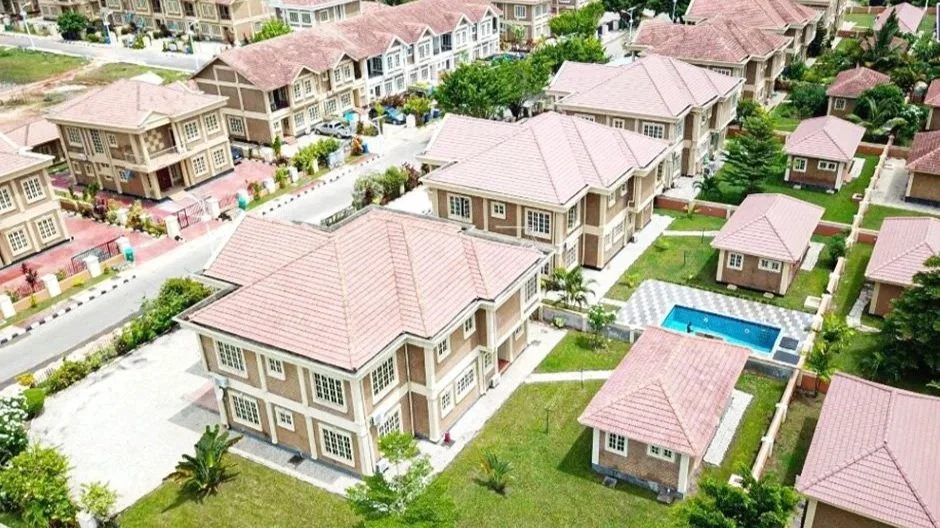
From Digital Infrastructure to Affordable Housing: Real Estate Growth Drivers Identified
Nigeria’s real estate sector is entering a new growth phase, with analysts identifying five key segments expected to shape the market over the next decade. These sectors ranging from residential housing to digital infrastructure reflect structural demand drivers such as urbanisation, population growth, and evolving economic activity.
/ You Might Also Like /




Residential Housing Remains the Core Driver
Residential real estate continues to anchor market growth, supported by Nigeria’s significant housing deficit. Estimates place the shortfall at up to 28 million units, creating sustained demand across low-, middle-, and high-income segments.
Population expansion and rapid urban migration are intensifying this demand. Nigeria’s population growth rate, estimated at over 2.5 percent annually, continues to drive pressure on housing supply, particularly in major urban centres.
Developers are increasingly targeting middle-income and premium segments, where margins remain more resilient despite macroeconomic pressures.
Digital Infrastructure and Data Centres
Digital infrastructure particularly data centres has emerged as one of the fastest-growing real estate segments. Rising internet penetration, cloud adoption, and fintech expansion are driving demand for large-scale data storage facilities.
Industry data shows that Nigeria’s data centre pipeline is expanding rapidly, with capacity expected to more than double by 2030. This positions digital real estate as a critical investment frontier within the broader property market.
Commercial and Mixed-Use Developments
Mixed-use developments are gaining traction as developers respond to changing urban lifestyles. These projects integrate residential, retail, and office spaces within a single development, improving land efficiency and enhancing long-term asset value.
The shift reflects evolving consumer preferences and the need for more integrated urban planning, particularly in high-density cities such as Lagos and Abuja.
Logistics and Industrial Real Estate
The growth of e-commerce, manufacturing, and supply chain networks is fuelling demand for logistics and industrial assets. Warehousing, distribution hubs, and industrial parks are becoming increasingly important as Nigeria seeks to strengthen its non-oil economy.
Government policies aimed at economic diversification and infrastructure development are expected to further support this segment over the next decade.
Hospitality and Short-Let Segments
Hospitality real estate, including hotels and short-let apartments, represents another growth area. The rise of short-term rental platforms and increased business travel are reshaping demand patterns in urban markets.
However, analysts note that regulatory scrutiny may increase, particularly in prime locations where short-let growth could affect long-term housing supply.
Structural Drivers of Growth
The outlook for these sectors is underpinned by broader economic and demographic trends. Real estate has already emerged as one of Nigeria’s largest economic sectors, contributing over 13 percent to GDP following recent rebasing.
Urbanisation, infrastructure investment, and technology adoption are expected to sustain momentum, while policy reforms in land administration and housing finance could unlock additional growth.
Challenges and Constraints
Despite strong fundamentals, the sector faces persistent challenges. Affordability constraints, high construction costs, and limited mortgage access continue to restrict homeownership.
Regulatory bottlenecks, particularly around land acquisition, also remain a key barrier to investment. Addressing these issues will be critical to fully realising the sector’s growth potential.
Nigeria’s real estate sector is poised for sustained expansion, driven by five high-impact segments: residential housing, digital infrastructure, mixed-use developments, logistics assets, and hospitality.
While structural demand remains strong, the pace and scale of growth will depend on policy execution, infrastructure delivery, and improved access to financing. For investors and policymakers, these sectors represent both opportunity and a roadmap for long-term market development.
READ MORE