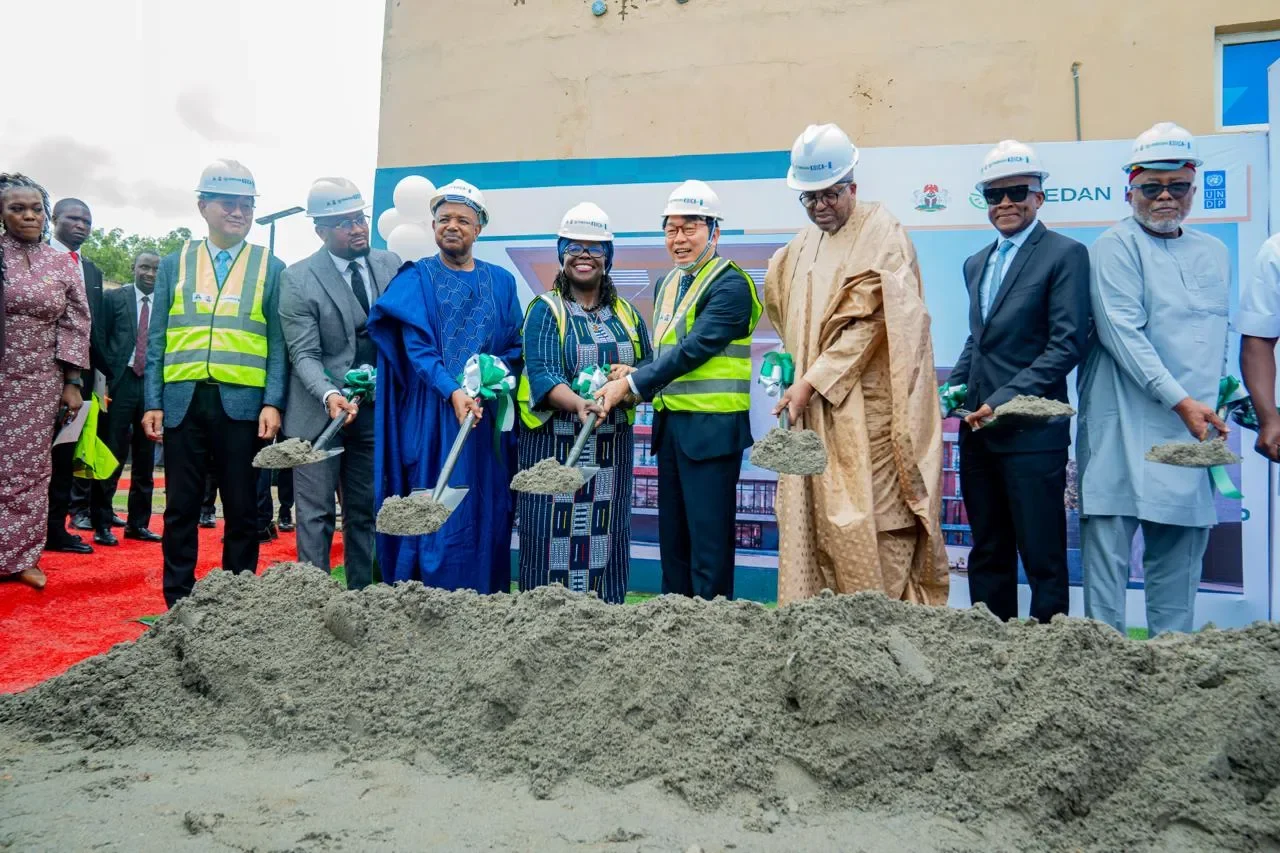
Nigeria Targets Contractor Debt Clearance to Boost Infrastructure Delivery

Debt Repayment Plan Signals Improved Confidence in Nigeria’s Economy
The Federal Government has initiated measures to settle outstanding debts owed to contractors, aiming to restore confidence in the economy and accelerate infrastructure delivery across the country. The move targets long-standing payment delays that have constrained project execution and weakened liquidity within the construction sector.
/ You Might Also Like /




Nigeria’s construction and infrastructure sectors have faced persistent challenges linked to delayed payments for completed and ongoing projects. These outstanding liabilities, owed to contractors across multiple ministries and agencies, have disrupted cash flow, slowed project timelines, and increased financing costs.
In response, the Federal Government has prioritised the clearance of these debts as part of a broader fiscal strategy to stabilise the economy and rebuild trust among private sector participants. By addressing payment backlogs, authorities aim to unlock stalled projects, improve contractor capacity, and enhance overall efficiency in public infrastructure delivery.
Addressing Liquidity Constraints in the Construction Sector
Contractors have long cited delayed government payments as a major constraint on operations. Outstanding debts limit their ability to procure materials, pay workers, and service existing financial obligations.
The government’s intervention is expected to improve liquidity across the sector, enabling firms to resume work on delayed projects and take on new contracts. This, in turn, could stimulate activity across related industries, including cement, steel, and logistics.
Impact on Infrastructure Delivery
Clearing contractor debts is directly linked to improved infrastructure delivery. Many public projects have experienced delays or suspension due to funding gaps and payment disputes.
By settling outstanding obligations, the government aims to accelerate the completion of critical infrastructure, including roads, bridges, and housing projects. This aligns with broader national development priorities focused on closing infrastructure deficits and supporting economic growth.
Restoring Investor and Contractor Confidence
The move also carries significant implications for investor confidence. Payment delays have historically increased the risk profile of government contracts, discouraging participation from both local and international firms.
Timely settlement of debts signals a commitment to fiscal discipline and contractual obligations, which can enhance Nigeria’s attractiveness as an investment destination, particularly in infrastructure and public-private partnership projects.
Fiscal Considerations and Policy Direction
While the debt settlement initiative is expected to deliver economic benefits, it also reflects broader fiscal management challenges. The government must balance debt clearance with ongoing expenditure needs and revenue constraints.
Officials emphasise that the initiative forms part of a structured approach to public finance management, aimed at improving transparency, accountability, and budget execution.
Implications for the Broader Economy
The construction sector plays a critical role in Nigeria’s economy, contributing to employment, industrial activity, and infrastructure development.
Improved liquidity and project execution are expected to have a multiplier effect, supporting economic growth, job creation, and increased private sector participation.
The Federal Government’s move to settle contractor debts represents a strategic intervention to address long-standing challenges in Nigeria’s infrastructure ecosystem. By improving liquidity, restoring confidence, and accelerating project delivery, the initiative is positioned to support broader economic recovery and sustainable development.
READ MORE