FG Sets Up Committee to Resolve Gas Supply Constraints in Power Sector
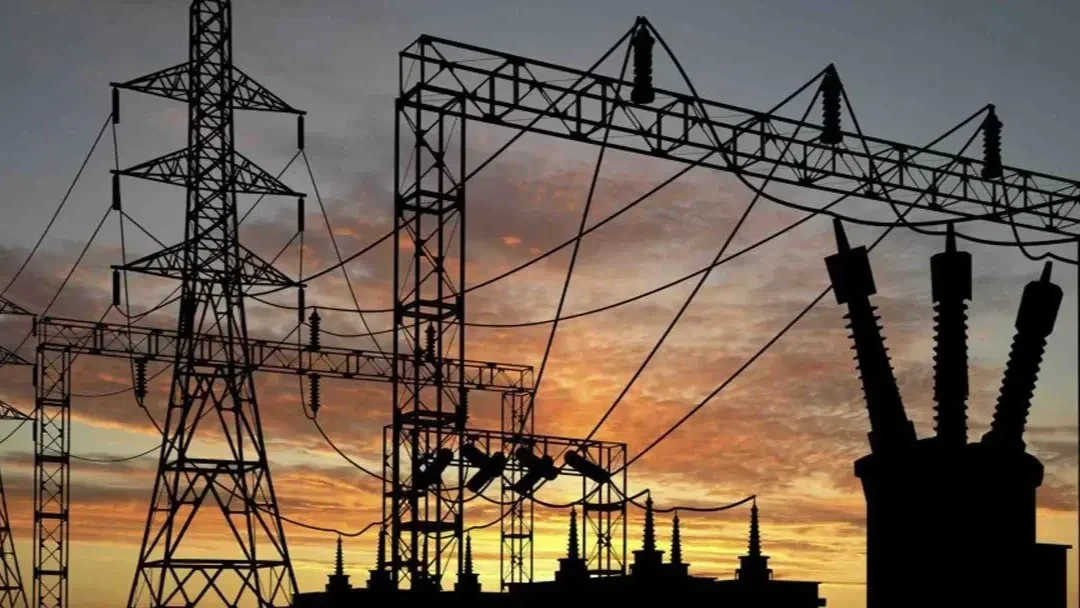
Nigeria Inaugurates Gas-to-Power Committee to Boost Electricity Output
The Federal Government of Nigeria has inaugurated a Gas-to-Power Monitoring Committee to address persistent gas supply challenges undermining electricity generation. Speaking in Abuja, the Minister of Power, Adebayo Adelabu, said the initiative targets critical bottlenecks in the Nigerian Electricity Supply Industry (NESI), including supply disruptions, infrastructure gaps, and mounting debts to gas producers.
/ You Might Also Like /




Addressing a Structural Constraint in Power Generation
Gas-fired plants account for approximately 80% of Nigeria’s electricity generation, making gas availability a central determinant of grid performance. However, recurring disruptions in gas supply have continued to constrain output and reliability.
The Federal Government’s intervention follows a significant supply shock earlier in 2026, when gas companies reduced supply volumes due to over $1.3 billion in outstanding payments owed by power generation companies. This led to a sharp decline in electricity delivered to the national grid.
According to Adelabu, the newly established committee represents a “decisive step” towards resolving one of the most critical impediments to stable electricity supply in Nigeria.
Key Challenges Identified
The committee’s formation stems from deliberations at the first quarter 2026 Ministerial Power Sector Working Group meeting, which identified several systemic issues affecting gas-to-power delivery. These include:
Infrastructure deficits, particularly damaged or poorly maintained pipelines
Liquidity constraints within the power sector
Pricing and commercial disputes across the value chain
Weak coordination among stakeholders
These challenges have collectively limited the availability of gas to power plants and weakened overall generation capacity.
Mandate of the Committee
The Gas-to-Power Monitoring Committee has been tasked with driving measurable improvements across the energy value chain. Its core responsibilities include:
Monitoring gas supply to power generation companies
Overseeing the repair and maintenance of critical pipeline infrastructure
Facilitating the settlement of debts owed to gas suppliers
Recommending sustainable payment and pricing mechanisms
Providing data-driven policy recommendations
The government has emphasised accountability, requiring the committee to deliver measurable outcomes, track progress against defined milestones, and escalate unresolved issues for timely intervention.
Broad Stakeholder Representation
The committee comprises representatives from key institutions across the gas-to-power ecosystem, including the Ministry of Power, the Nigerian Independent System Operator, the Transmission Company of Nigeria, and the Nigerian Gas Association.
It also includes participation from generation companies, the Niger Delta Power Holding Company, and consumer advocacy groups. This multi-stakeholder structure is designed to improve coordination and ensure that reforms reflect operational realities across the sector.
Implications for the Power Sector and Economy
Stable gas supply is essential for improving electricity generation, enhancing grid stability, and supporting economic growth. Persistent disruptions have not only reduced generation capacity but also increased operational uncertainty for businesses and investors.
The government’s intervention signals a renewed focus on resolving structural inefficiencies in the energy sector. By addressing liquidity constraints and infrastructure gaps, the initiative aims to unlock idle generation capacity and improve service delivery to end-users.
The establishment of the Gas-to-Power Monitoring Committee reflects a targeted policy response to one of Nigeria’s most persistent energy challenges. With gas-fired plants dominating the country’s generation mix, resolving supply constraints remains critical to achieving reliable electricity. The effectiveness of the committee will depend on its ability to enforce accountability, coordinate stakeholders, and deliver sustainable solutions across the gas-to-power value chain.
READ MORE