FG Begins 241-Unit Housing Project in Osun, Completes 300 in Abuja
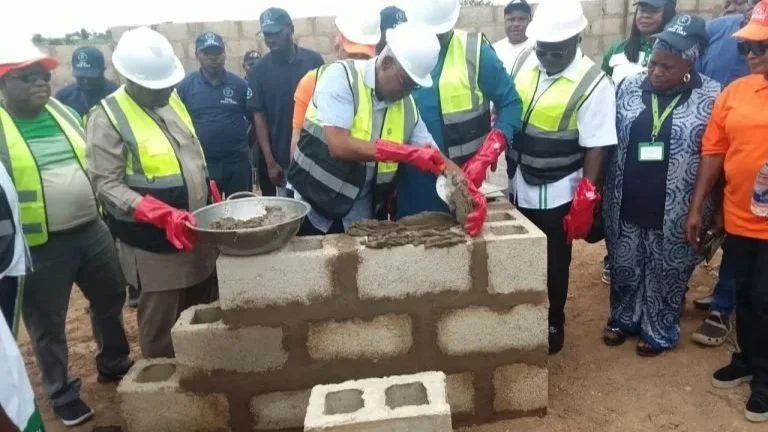
Federal Government expands housing delivery through projects in Osun and Abuja
The Federal Government has commenced construction of 241 housing units in Osogbo, Osun State, while the Federal Housing Authority (FHA) has completed 300 housing units in Bwari, Abuja, marking progress on two housing developments at different stages of delivery.
/ You Might Also Like /




The Osogbo project is being developed on 33.3 hectares of land at East Bypass through a Public-Private Partnership (PPP) between the FHA and Summit Group Limited. The Bwari development has reached completion and is now awaiting commissioning.
The two projects highlight the Federal Government's use of partnerships with private investors alongside direct housing development to expand supply across different parts of the country.
FHA Uses PPP Model for Osun Housing Project
The FHA is delivering the Osogbo development through a PPP arrangement with Summit Group Limited.
Speaking at the groundbreaking ceremony, FHA Managing Director Oyetunde Ojo, represented by the agency's Executive Director of Estate Services, Nya-Etok Ezekiel, said the partnership model would support innovation, improve efficiency and strengthen housing delivery.
The use of private-sector participation is significant given the scale of Nigeria's housing demand and the substantial capital required to deliver new homes and supporting infrastructure.
Under the arrangement, Summit Group Limited will construct the 241 housing units at the 33.3-hectare site. The development will include different housing types to accommodate varying household requirements.
Osogbo Estate to Include Commercial and Community Facilities
The Osogbo development is planned as a mixed-use community rather than a residential estate consisting solely of housing units.
The master plan includes commercial and institutional areas alongside residential buildings. Planned facilities include a clinic, police station, religious facilities, recreational areas and a central sewage system.
The inclusion of supporting facilities is important because the success of a housing development depends not only on the number of homes delivered but also on the infrastructure and services available to residents.
A mixed-use approach can also reduce the need for residents to travel long distances for some everyday services, provided the planned commercial and community facilities become operational alongside the housing.
300 Housing Units Completed in Bwari
While construction is beginning in Osun, the FHA has announced the completion of 300 housing units in Bwari, Abuja.
The completed homes are now ready for commissioning, representing the final stage of construction before the units are formally brought into use.
The development adds to the FHA's housing portfolio in the Federal Capital Territory, where population growth and continued urban expansion have sustained demand for residential accommodation.
The completion of the Bwari units also demonstrates the importance of moving government housing projects beyond groundbreaking ceremonies to actual delivery and occupation.
FHA Expands Housing Projects Across States
The FHA said the Osogbo project forms part of a wider programme of housing developments across the country.
The agency has highlighted other partnership and housing initiatives in states including Ogun, Abia, Akwa Ibom and Kaduna.
The approach reflects an attempt to distribute housing development beyond the country's largest urban markets while working with private investors to mobilise additional capital and construction capacity.
For a country facing a substantial gap between housing demand and formal housing supply, expanding projects across different regions remains important to addressing both urban growth and local housing needs.
PPPs Could Help Mobilise More Housing Investment
The Osun development reinforces the potential role of PPPs in Nigeria's housing sector.
Government agencies often control land and have responsibility for housing policy, while private developers can provide capital, construction expertise, project management and market knowledge.
Combining these resources can accelerate development when the partnership structure clearly defines responsibilities, financing arrangements, development standards and delivery timelines.
However, PPP housing projects also need to maintain affordability as a central consideration. Increasing the number of units alone will have a limited impact on the housing shortage if the completed homes remain beyond the purchasing capacity of the households that need them.
Infrastructure Remains Central to Housing Delivery
The planned infrastructure at the Osogbo estate highlights the importance of providing supporting services alongside residential units.
Roads, drainage, water supply, sewage systems, electricity, security and community facilities all affect the functionality and long-term sustainability of housing developments.
Inadequate infrastructure can increase residents' living costs and reduce the attractiveness of otherwise affordable housing.
The inclusion of a central sewage system and community facilities in the Osogbo master plan therefore indicates an approach that considers housing delivery within the wider context of urban development.
New Housing Supply Could Support Local Economies
The projects could also generate economic activity within their respective locations.
Construction creates demand for building materials, professional services, skilled labour, transport and other supporting activities. Once completed, housing estates can stimulate additional demand for retail, services and other businesses.
The mixed-use structure planned for Osogbo could strengthen this effect by incorporating commercial and institutional uses within the development.
For Osogbo and surrounding communities, the project could therefore contribute not only to housing supply but also to the expansion of economic activity around the East Bypass corridor.
Affordability Will Determine the Wider Housing Impact
Despite the number of units under development and completion, affordability remains a critical consideration for Nigeria's housing market.
Construction costs, land prices, financing expenses and infrastructure costs continue to affect the final price of housing.
Government-backed developments can help address supply constraints, but their impact on the housing deficit will depend on whether the units reach households across different income levels.
The Federal Government's partnership approach could increase the pace of delivery, but future projects will need to combine scale with accessible pricing and appropriate housing finance.
Housing Delivery Needs to Move Beyond Major Cities
The Osogbo project also highlights the importance of expanding formal housing supply outside Lagos and Abuja.
While Nigeria's largest cities attract significant private-sector housing investment, secondary cities such as Osogbo are also experiencing population growth and urban expansion.
Developing housing in these locations can help distribute investment, support local economic activity and provide households with alternatives to increasingly expensive major metropolitan markets.
For developers and investors, the growth of secondary cities could create new opportunities where land costs and development pressures may differ from those in Nigeria's largest urban centres.
Outlook
The commencement of the 241-unit Osogbo project and completion of 300 units in Bwari demonstrate two stages of the Federal Government's current housing delivery efforts.
The Osun development's PPP structure could provide a model for mobilising private-sector capital and expertise, while the completed Bwari units show the importance of converting housing commitments into finished homes.
The broader impact on Nigeria's housing market will ultimately depend on affordability, infrastructure provision, access to housing finance and the ability to replicate successful delivery models at a much larger scale.
As the FHA continues to pursue projects across different states, combining public land and policy support with private investment could help increase housing supply, provided developments remain aligned with the needs and purchasing capacity of target communities.
READ MORE