EFCC Trial Over Alleged ₦577 Million Abuja Land Fraud Stalled as Witness Misses Court
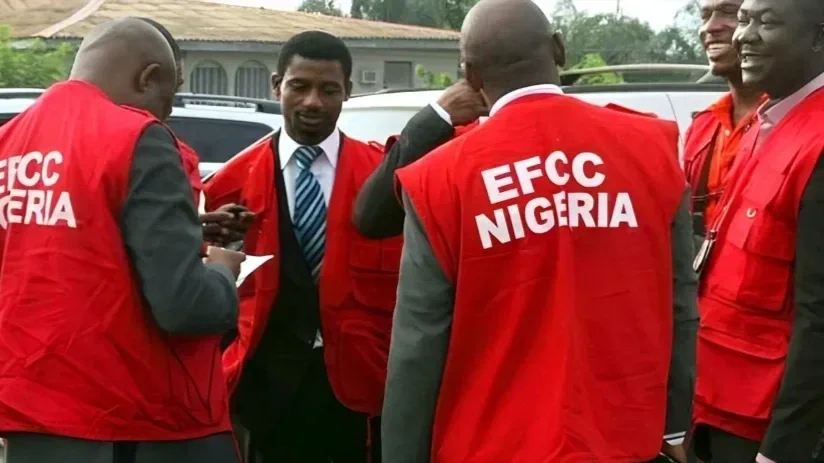
Court Postpones Hearing in Alleged ₦577 Million Property Fraud Case
Proceedings in a high-profile alleged ₦577 million Abuja land fraud case have been stalled after a key prosecution witness failed to appear before the court, forcing an adjournment in the matter. The case, being prosecuted by the Economic and Financial Crimes Commission (EFCC), centres on allegations of fraudulent transactions involving land in the Federal Capital Territory and highlights ongoing concerns about transparency and accountability within Nigeria's property sector.
/ You Might Also Like /




The adjournment represents the latest delay in a case that has attracted attention from stakeholders in the real estate and legal communities due to its implications for property ownership, land administration and investor confidence in the Abuja property market.
Witness Absence Forces Adjournment
At the scheduled hearing, the prosecution was unable to proceed with the presentation of evidence after its witness failed to appear before the court. As a result, the presiding judge adjourned proceedings to allow the prosecution another opportunity to produce the witness and continue the case.
Court delays arising from witness absences remain a recurring challenge within Nigeria's judicial system, often extending the duration of complex financial and property-related cases. Such delays can affect the timely resolution of disputes and increase uncertainty for parties involved in litigation.
According to reports, the witness was expected to provide testimony considered important to the prosecution's case regarding the alleged fraudulent land transaction valued at ₦577 million. The absence prevented the court from advancing to the next stage of proceedings.
Growing Concerns Over Property Fraud
The case underscores the persistent challenge of property fraud within Nigeria's real estate sector, particularly in rapidly developing urban centres such as Abuja.
Land-related disputes remain among the most common forms of litigation in the Federal Capital Territory, where rising land values and increasing demand for residential and commercial property have intensified competition for land ownership rights.
Industry stakeholders have repeatedly called for stronger verification processes, improved land registration systems and greater transparency in property transactions to reduce the risk of fraud and multiple ownership claims.
Property experts note that fraudulent land transactions can undermine investor confidence, discourage legitimate development activity and create significant financial losses for individuals and businesses.
Implications for Abuja's Real Estate Market
Abuja remains one of Nigeria's most active property markets, driven by population growth, infrastructure development and continued demand for housing and commercial real estate.
However, legal disputes involving land ownership and title documentation continue to pose challenges for investors and developers. Cases involving allegations of fraud often highlight weaknesses in land administration systems and reinforce the need for stronger regulatory oversight.
Real estate professionals advise prospective buyers and investors to conduct comprehensive due diligence, verify ownership records and engage qualified legal practitioners before committing to property transactions.
The increasing value of land across key districts within the Federal Capital Territory has made proper title verification more important than ever, particularly as new development corridors continue to emerge.
EFCC's Role in Property-Related Investigations
The EFCC has increasingly expanded its focus beyond traditional financial crimes to include property-related fraud and land transaction offences.
Anti-corruption agencies have argued that fraudulent property transactions not only affect individual victims but can also undermine broader economic development objectives by weakening confidence in the real estate sector.
Investigations into land fraud cases often involve examining ownership documents, financial records, land allocation processes and transaction histories to determine whether criminal offences have occurred.
Stakeholders in the housing and real estate sectors have generally welcomed efforts aimed at improving transparency and accountability within property markets.
Impact on Housing and Investment
For Nigeria's housing sector, confidence in land ownership systems remains a critical foundation for investment and development.
Developers require secure title documentation before committing capital to large-scale housing projects, while mortgage providers depend on clear ownership records when financing property acquisitions.
Persistent land disputes and allegations of fraud can increase transaction costs, delay developments and discourage investment in new housing projects.
Housing experts argue that reforms aimed at digitising land records, improving title registration processes and strengthening dispute resolution mechanisms could help reduce fraud risks while supporting long-term sector growth.
Outlook
The case is expected to resume once the court reconvenes and the prosecution presents its witness. Legal observers will be monitoring proceedings closely as the matter progresses through the judicial process.
Beyond the immediate case, the issues raised by the alleged fraud allegations are likely to reinforce ongoing discussions about land governance, property rights and regulatory reforms within Nigeria's real estate sector.
As demand for land and housing continues to rise, stakeholders are expected to intensify calls for stronger safeguards capable of protecting investors, homeowners and developers from fraudulent transactions.
Conclusion
The adjournment of the alleged ₦577 million Abuja land fraud case following the absence of a key witness highlights the challenges that can affect the prosecution of complex property-related disputes. While the court awaits the continuation of proceedings, the case serves as a reminder of the importance of transparency, due diligence and effective land administration in maintaining confidence within Nigeria's real estate market.
READ MORE