EFCC Facilitates $60m Nestoil Debt Repayment to Lenders
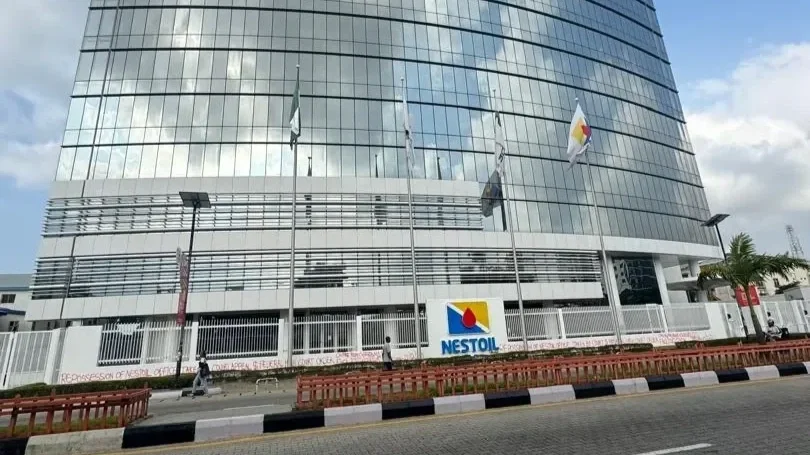
EFCC facilitates Nestoil debt recovery
The Economic and Financial Crimes Commission (EFCC) has facilitated the recovery of $60 million from Nestoil Limited, with the funds paid to a consortium of lenders as part of a structured plan to resolve the oil and gas company's outstanding debt.
The repayment followed a meeting convened and chaired by EFCC Chairman Ola Olukoyede, where Nestoil and the consortium agreed on a structured repayment arrangement. The $60 million represents the first phase of the recovery, while a substantial portion of the company's outstanding obligations remains unpaid.
/ You Might Also Like /




$60m payment marks first phase of recovery
The recovered funds have been paid to the consortium of lenders, but the payment does not represent a full settlement of Nestoil's outstanding obligations.
The lenders have acknowledged the payment as an initial step, noting that a substantial portion of the company's debt remains outstanding. Sources cited by Nairametrics indicated that a further $40 million could be received in a subsequent tranche as the repayment process continues.
The parties are expected to continue discussions towards resolving the remaining obligations.
EFCC facilitates structured repayment
The repayment arrangement followed a meeting convened and chaired by EFCC Chairman Ola Olukoyede, involving Nestoil and the consortium of lenders.
The EFCC's Lagos Zonal Directorate 2 facilitated the payment as part of its investigation into the transactions involving Nestoil and its creditors.
The commission's intervention comes amid a prolonged dispute between the company and its lenders, which has involved litigation, receivership proceedings and regulatory scrutiny.
Debt dispute has implications for lenders
The Nestoil debt dispute has significant implications for the financial institutions involved because large unpaid corporate loans can affect banks' non-performing loan positions and asset quality.
The wider claims associated with the dispute have been reported to involve substantial dollar and naira-denominated obligations, making the recovery process important for creditors seeking to reduce their exposure.
The $60 million repayment therefore provides some relief to the lenders, although the outstanding balance means the recovery process remains ongoing.
Supreme Court ruling preceded repayment agreement
The repayment comes after a series of legal proceedings between Nestoil, its affiliates and the lenders.
The dispute reached the Supreme Court in June, when the court set aside orders that had enabled restrictions on the assets of Nestoil and its affiliate, Neconde Energy.
The latest repayment arrangement provides a negotiated route towards recovering part of the outstanding debt while the broader issues surrounding the transactions remain under investigation.
Financial-sector confidence remains a key issue
Large corporate debt disputes can affect confidence in the banking sector, particularly where significant lending exposures remain unresolved for extended periods.
Successful recovery of outstanding loans can help financial institutions improve asset quality and reduce pressure associated with non-performing exposures.
The Nestoil case also highlights the importance of effective corporate debt-recovery mechanisms in protecting lenders' balance sheets and maintaining confidence in Nigeria's financial system.
Implications for investment and real estate financing
Although the Nestoil case is primarily an oil and gas debt matter, its wider implications extend to Nigeria's investment environment.
Banks provide significant financing to businesses across the economy, including property developers, construction companies and infrastructure operators. The ability of lenders to recover large corporate exposures can influence their capacity and appetite to provide credit to other sectors.
For the real estate market, stronger bank balance sheets could support lending to developers and businesses, although the impact will depend on broader credit conditions, interest rates and banks' risk appetite.
Recovery process continues
The $60 million payment represents only the first stage of the structured repayment arrangement.
The lenders are expected to continue working with the EFCC and other stakeholders to recover the remaining outstanding obligations. They have also indicated their willingness to provide relevant documents required to support the commission's ongoing investigation.
The EFCC has said the investigation will continue, including examination of the alleged criminal aspects of the transactions.
Outlook
The recovery of $60 million marks a significant development in the prolonged Nestoil debt dispute, but it does not conclude the matter.
The effectiveness of the structured repayment plan will ultimately depend on whether subsequent payments are made and the outstanding obligations are fully addressed.
For Nigeria's financial sector, the case underscores the importance of effective corporate debt recovery and responsible lending. For businesses seeking credit, stronger recovery mechanisms could help improve confidence in the lending environment and, over time, support the availability of capital for productive sectors including construction, infrastructure and real estate.
READ MORE