MOFI Says Democracy Is Driving Infrastructure Growth and Asset Reforms in Nigeria
Infrastructure Growth and Asset Reforms Gain Pace Under Democracy
The Ministry of Finance Incorporated (MOFI) has highlighted the role of democratic governance in driving infrastructure development, institutional reforms and improved public asset management in Nigeria. According to the organisation, democratic institutions have provided the framework necessary for implementing long-term reforms aimed at unlocking economic value from public assets and strengthening national development.
/ You Might Also Like /



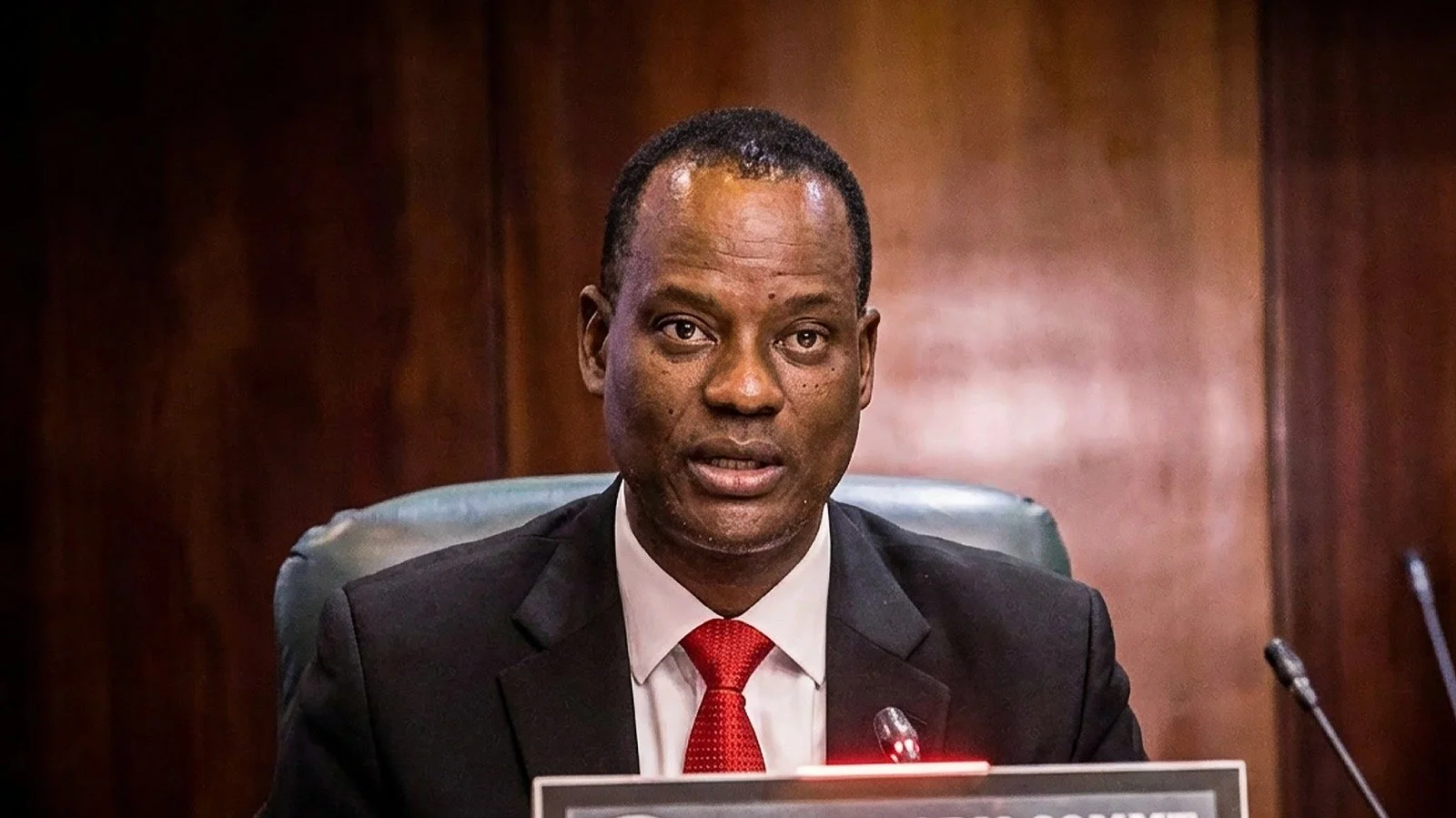
MOFI Managing Director and Chief Executive Officer, Dr Armstrong Ume Takang, stated that democracy remains a critical foundation for sustainable economic growth, enabling governments to pursue policies that promote transparency, accountability and strategic investment. He noted that ongoing reforms within the public asset management space are helping to reposition government-owned assets as drivers of economic expansion rather than passive holdings.
Infrastructure Development Linked to Democratic Stability
According to MOFI, democratic governance creates an environment that supports long-term infrastructure planning and execution. Stable institutions, policy continuity and public accountability mechanisms have enabled governments to undertake large-scale infrastructure projects that contribute to economic growth and improved living standards.
The organisation noted that investments in transportation networks, housing, energy systems and other strategic infrastructure are essential for enhancing productivity, attracting private capital and improving economic competitiveness. Such investments, MOFI argues, are more sustainable when supported by strong democratic institutions and transparent governance structures.
Asset Reforms Reshaping Public Wealth Management
A key focus of MOFI’s reform agenda has been the transformation of public asset management. The agency has consistently advocated a shift from traditional asset holding to a more strategic model that seeks to maximise value creation and generate long-term returns from government-owned assets.
Recent reform proposals seek to strengthen MOFI’s role in managing federal investments and public assets through enhanced governance frameworks, professional oversight and improved accountability measures. Advocates of the reforms argue that better management of public assets can generate additional revenue, reduce fiscal pressures and support national development objectives.
According to MOFI, the reforms are designed to position public assets as instruments for economic growth, job creation and infrastructure financing, while ensuring greater transparency in the management of government investments.
Supporting Economic Diversification
The organisation also emphasised the importance of asset reforms in supporting Nigeria’s economic diversification agenda. By improving the performance of public investments and attracting private-sector participation, policymakers aim to reduce dependence on oil revenues and create new sources of economic value.
MOFI believes that stronger asset management practices can help channel investment into strategic sectors such as infrastructure, agriculture, manufacturing, technology and housing. These sectors are viewed as critical to achieving sustainable economic growth and improving resilience against external economic shocks.
The emphasis on diversification aligns with broader government efforts to strengthen public finances and expand investment in productive sectors of the economy.
Institutional Reforms and Long-Term Growth
Beyond infrastructure and asset management, MOFI highlighted the role of institutional reforms in creating a more efficient and competitive economy. Strengthening governance systems, improving transparency and enhancing accountability remain central components of the organisation’s long-term vision.
Economic experts have long argued that effective institutions are essential for attracting investment, improving public service delivery and supporting sustainable development. MOFI maintains that democratic governance provides the foundation upon which these reforms can be successfully implemented and sustained over time.
Looking Ahead
As Nigeria continues to pursue economic transformation and infrastructure expansion, MOFI says public asset reforms will remain a key component of the country’s development strategy. The organisation believes that maximising the value of government-owned assets can support investment, create jobs and strengthen fiscal sustainability.
Officials also maintain that democratic governance will continue to play an important role in enabling policy reforms, promoting accountability and supporting the long-term investments needed to drive economic growth and national development.
Conclusion
MOFI has underscored the importance of democracy in advancing infrastructure development, institutional reforms and public asset management in Nigeria. By strengthening governance frameworks and unlocking greater value from public assets, the organisation believes the country can accelerate economic growth, improve fiscal sustainability and create new opportunities for long-term development.
READ MORE