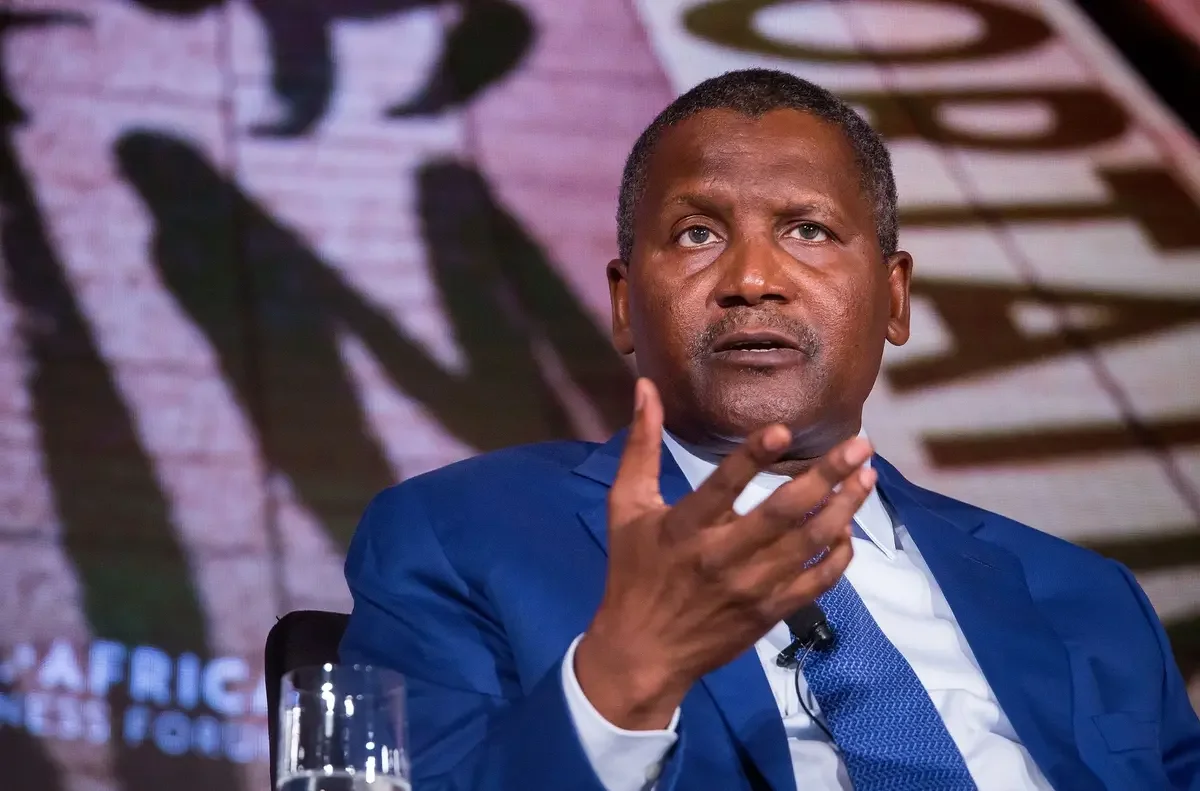
Aliko Dangote Foundation Partners Islamic Development Bank on Social Development
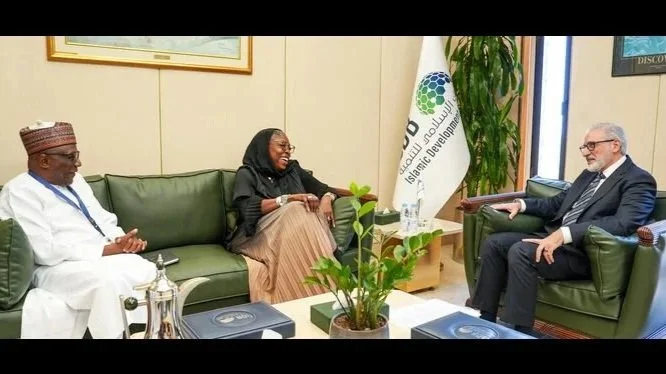
Dangote Foundation, Islamic Development Bank Discuss Joint Poverty Reduction Initiatives
The Aliko Dangote Foundation (ADF) has initiated a strategic partnership with the Islamic Development Bank (IsDB) aimed at strengthening collaboration on health, education, and broader social development initiatives across member countries.
The engagement followed a high-level meeting between officials of the Aliko Dangote Foundation and senior executives of the Islamic Development Bank at the bank’s headquarters in Jeddah, Saudi Arabia. The discussions focused on expanding cooperation in areas linked to poverty reduction, healthcare access, community empowerment, and sustainable development.
/ You Might Also Like /




The meeting reflects growing efforts by African philanthropic institutions and multilateral development organisations to deepen partnerships capable of addressing social and economic challenges across developing economies.
Dangote Foundation Highlights Development Impact
The Aliko Dangote Foundation delegation was led by Managing Director and Chief Executive Officer, Zouera Youssoufou, alongside the foundation’s Head of Community Engagement and Polio Eradication, Ahmed Iya.
During the engagement, foundation representatives outlined the organisation’s activities and interventions across healthcare, education, poverty alleviation, nutrition, and humanitarian support.
According to the foundation, its programmes are designed to improve health outcomes, promote quality education, and create economic empowerment opportunities for vulnerable communities across Africa.
The Aliko Dangote Foundation is widely recognised as one of Africa’s largest private philanthropic organisations, with interventions spanning disease eradication campaigns, food support initiatives, disaster relief, and education funding.
Founded by Nigerian industrialist Aliko Dangote, the organisation has increasingly expanded its partnerships with global development institutions and public health agencies over the past decade.
Islamic Development Bank Seeks Broader Development Cooperation
The Islamic Development Bank delegation was led by Vice President of Operations, Dr Rami Ahmad, who reportedly welcomed the prospect of closer collaboration between both organisations.
According to IsDB officials, stronger partnerships with philanthropic institutions could help address development financing gaps affecting several member countries.
Dr Ahmad noted that many countries within the IsDB network continue to face debt pressures and financing constraints that limit investments in healthcare, education, and social welfare programmes.
The Islamic Development Bank, headquartered in Saudi Arabia, is a multilateral development finance institution focused on promoting economic development and social progress among member states.
The bank finances projects across infrastructure, healthcare, agriculture, education, energy, and humanitarian support sectors within developing economies.
Analysts note that partnerships between multilateral lenders and private philanthropic organisations are becoming increasingly important as governments contend with fiscal pressures and reduced development financing capacity.
Strategic Partnerships Gain Importance Across Africa
Development experts say collaborative partnerships involving private foundations, governments, and international financial institutions are playing a growing role in addressing Africa’s social and economic development challenges.
Many African countries continue to face rising poverty levels, weak healthcare systems, educational funding gaps, food insecurity, and climate-related vulnerabilities.
Analysts argue that public sector financing alone is often insufficient to address these structural challenges, increasing the importance of private philanthropy and blended financing models.
The Dangote Foundation’s engagement with IsDB reflects a broader trend involving closer coordination between philanthropic organisations and multilateral institutions seeking to improve social impact delivery across developing economies.
Foundation Expands Humanitarian and Health Interventions
The Aliko Dangote Foundation has maintained significant involvement in healthcare and humanitarian initiatives across Nigeria and other African countries.
The foundation previously partnered with the Bill & Melinda Gates Foundation and Nigerian government agencies on polio eradication campaigns and public health interventions.
It also played a major role during the COVID-19 pandemic through the Coalition Against COVID-19 (CACOVID), a private sector initiative established to support Nigeria’s pandemic response efforts.
In addition, the organisation has funded nutrition programmes, educational scholarships, disaster relief interventions, and food distribution schemes targeting vulnerable populations.
Development analysts note that large-scale philanthropic organisations are increasingly influencing policy discussions around healthcare financing, social investment, and poverty alleviation across Africa.
Africa Faces Persistent Development Financing Gaps
The partnership discussions come amid growing concern regarding financing shortages affecting social development programmes across several African economies.
According to multilateral development agencies, many countries continue to experience fiscal strain linked to rising debt servicing costs, inflationary pressure, and limited access to concessional financing.
Healthcare and education systems across parts of Africa also continue to face underinvestment despite rising population growth and increasing demand for public services.
Analysts say stronger cooperation between philanthropic institutions and development finance organisations could help improve programme funding and operational reach.
The Islamic Development Bank has increasingly prioritised partnerships focused on sustainable development, poverty reduction, and human capital investment across member states.
Philanthropic Capital Gains Strategic Influence
Experts note that African philanthropic institutions are becoming more influential within development financing ecosystems traditionally dominated by governments and international donors.
Private foundations now play larger roles in public health funding, food security interventions, educational support, and emergency humanitarian response.
Analysts argue that strategic philanthropy can provide flexible funding mechanisms capable of complementing public investment and accelerating project implementation.
The Dangote Foundation is regarded as one of the continent’s most prominent philanthropic organisations due to the scale of its interventions and regional development engagement.
Development Cooperation Expected to Expand
While details of specific joint projects were not immediately disclosed, officials from both organisations expressed optimism regarding future cooperation opportunities.
Industry observers believe the partnership could lead to expanded programmes within healthcare delivery, education financing, youth empowerment, food security, and community development across selected countries.
Analysts also note that such collaborations may help strengthen institutional coordination between African private sector philanthropy and international development finance institutions.
The emerging partnership between the Aliko Dangote Foundation and the Islamic Development Bank highlights growing efforts to strengthen collaborative development financing across Africa and other developing regions.
As governments continue to face fiscal pressures and widening social investment needs, partnerships involving philanthropic institutions and multilateral development organisations are increasingly viewed as critical to expanding healthcare access, improving education outcomes, and supporting vulnerable communities.
Analysts say the long-term impact of the collaboration will depend on the scale of implementation, funding mobilisation, and the ability of both organisations to deliver measurable social outcomes across target populations.
READ MORE