Nigeria’s Housing Crisis Deepens as Cement Prices Hit ₦15,000
Developers Warn Cement Price Spike Could Stall Housing Projects
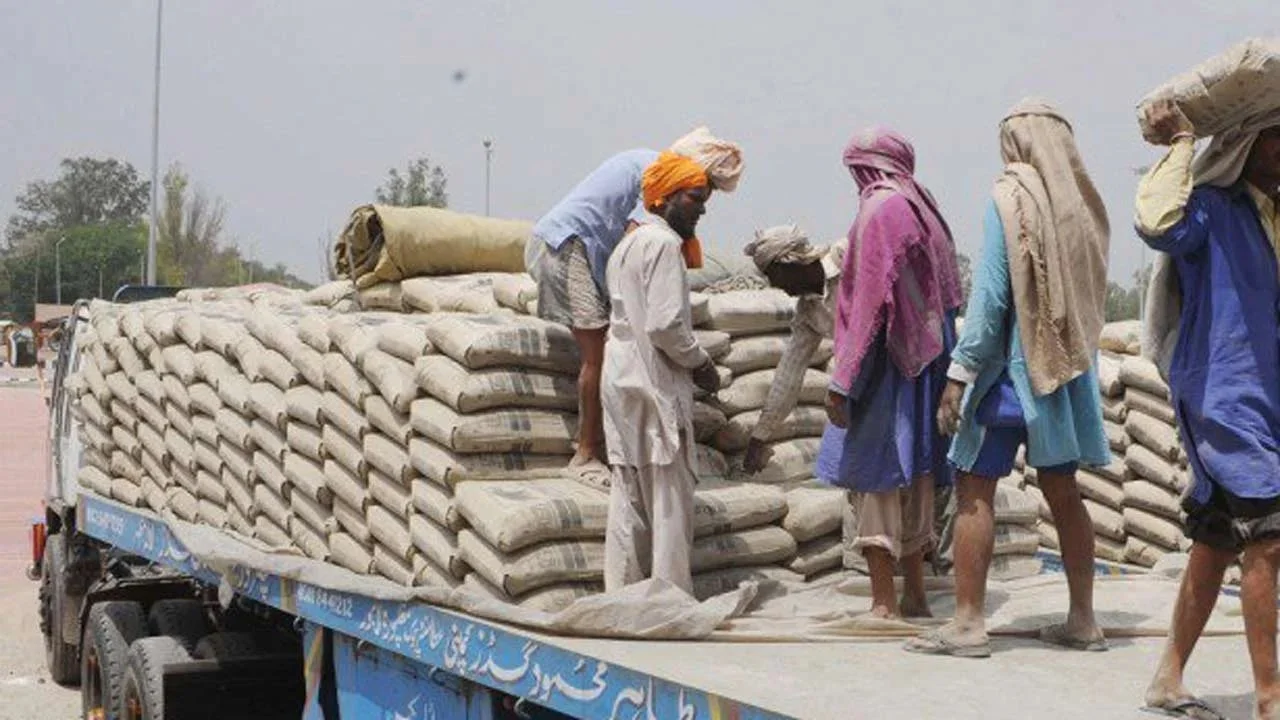
Nigeria’s housing sector is facing renewed pressure as rising cement prices now reaching as high as ₦15,000 per 50kg bag drive up construction costs and threaten affordable housing delivery. The Real Estate Developers Association of Nigeria (REDAN) has warned that the trend could stall housing projects and worsen the country’s housing deficit.
Sharp Increase in Cement Prices
Cement prices have risen significantly within a short period, reflecting sustained cost pressures in the construction materials market. Industry data shows that a bag of cement, which sold for about ₦7,500 in late 2025, increased to between ₦9,000 and ₦10,000 in early 2026, and has now climbed to between ₦11,500 and ₦15,000 across several locations.
This represents an increase of over 30 percent in recent months, making cement one of the most inflation-sensitive inputs in the building sector.
/ You Might Also Like /




Impact on Housing Development
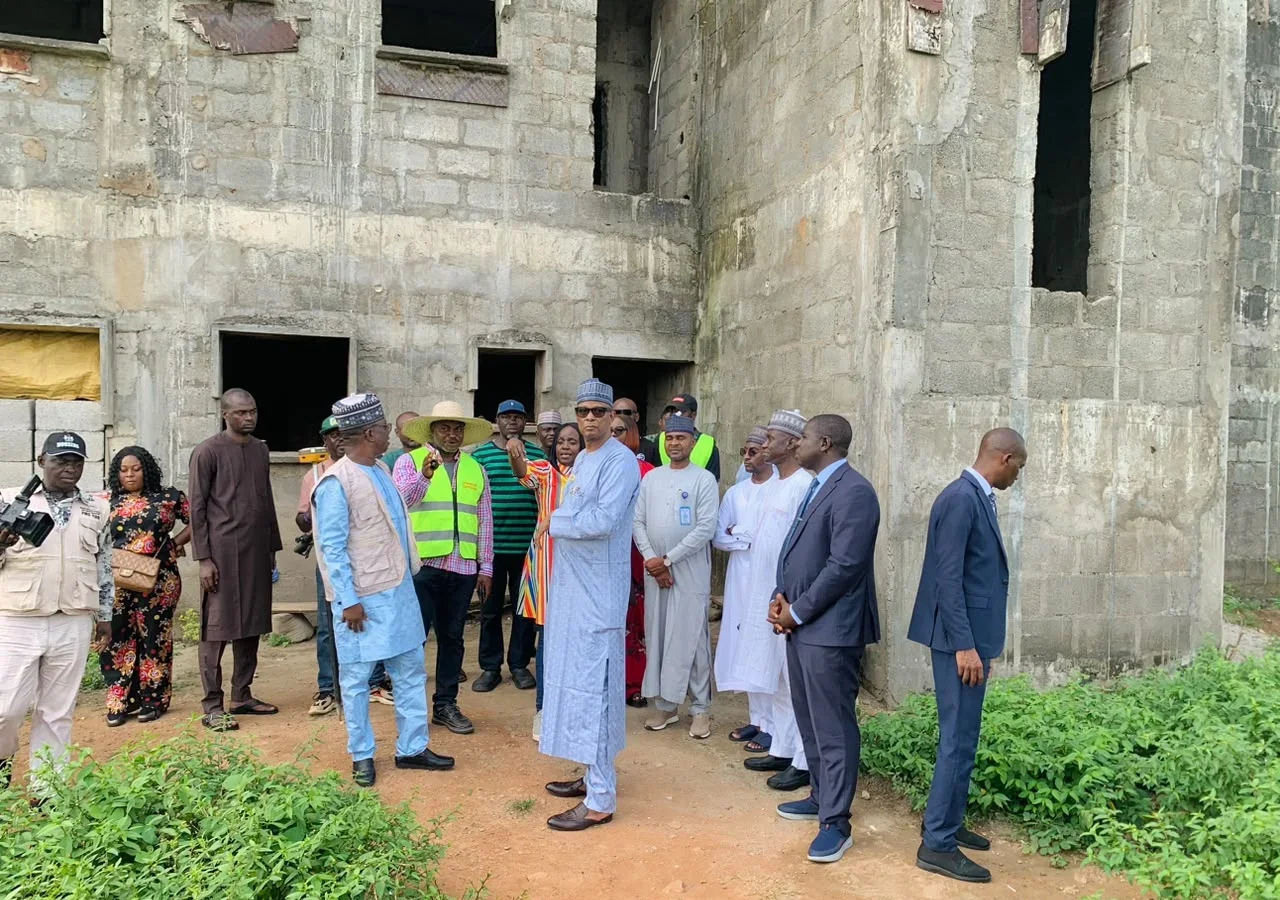
REDAN notes that cement accounts for a substantial portion of construction costs, meaning any price increase directly affects overall housing development expenses. Developers are already experiencing financial strain, leading to project delays, scaling down of developments, and, in some cases, outright abandonment of projects.
The situation is particularly concerning given Nigeria’s existing housing deficit, estimated in the tens of millions of units. Rising input costs further constrain the ability of developers to deliver affordable housing at scale.
Broader Cost Pressures Across Construction
Cement is not the only material experiencing price increases. Other key inputs including steel, sharp sand, and wood have also recorded significant cost hikes. Estimates indicate steel prices have risen by about 20 percent, while sharp sand costs have increased by roughly 25 percent.
These cumulative increases have compounded the financial burden on developers and reduced project viability, especially for low and middle-income housing segments.
Spillover Effects on Rent and Housing Affordability
The surge in construction costs is already translating into higher property prices and rental rates across major cities. Reports indicate that rents for self-contained apartments in cities such as Lagos and Abuja have doubled in some cases, rising from around ₦400,000 annually to between ₦800,000 and ₦1.5 million.
As developers pass on increased costs to consumers, housing affordability continues to deteriorate, placing additional strain on urban households.
Risk to Construction Quality and Industry Stability
Stakeholders have also raised concerns about potential unintended consequences. As costs rise beyond manageable levels, some developers may resort to using lower-quality materials to cut expenses, increasing risks around building safety and structural integrity.
The construction sector, a key contributor to employment and economic growth, could also face reduced activity if current cost trends persist.
Calls for Government Intervention
REDAN has called on the Federal Government and relevant agencies to engage stakeholders across the building materials value chain to stabilise prices. Recommended measures include improving supply chain efficiency, supporting local production of construction materials, and promoting transparency in pricing.
Experts also advocate increased investment in alternative building materials and innovative construction methods to reduce dependence on cement.
The surge in cement prices represents a critical challenge for Nigeria’s housing sector. With construction costs rising sharply, the delivery of affordable housing is increasingly at risk. Addressing price instability through coordinated policy action and industry collaboration will be essential to sustaining housing supply and mitigating the country’s growing housing deficit.
READ MORE