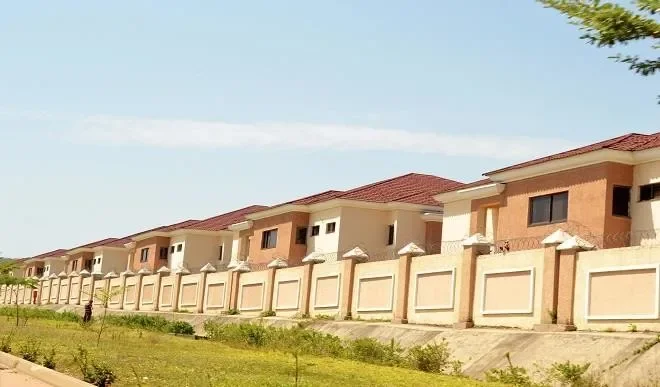
Building Material Prices Surge as Inflation and FX Pressures Drive Up Construction Costs
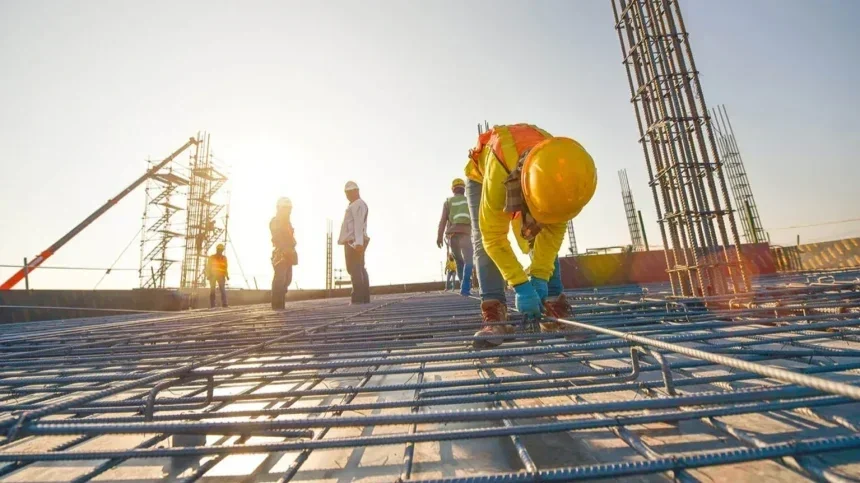
Developers Face Mounting Pressure as Building Material Prices Climb
Nigeria’s construction industry is experiencing a fresh wave of cost pressures as inflation, foreign exchange volatility and rising transportation expenses continue to drive up the prices of key building materials. The trend is increasing the cost of housing delivery, placing additional strain on developers, contractors and prospective homeowners already grappling with affordability challenges.
Industry stakeholders say the sustained rise in the cost of inputs such as cement, steel, roofing materials, electrical fittings and finishing products is making construction projects significantly more expensive, forcing developers to review budgets, delay projects or pass higher costs on to buyers and tenants.
/ You Might Also Like /


Inflation and FX Pressures Drive Cost Increases
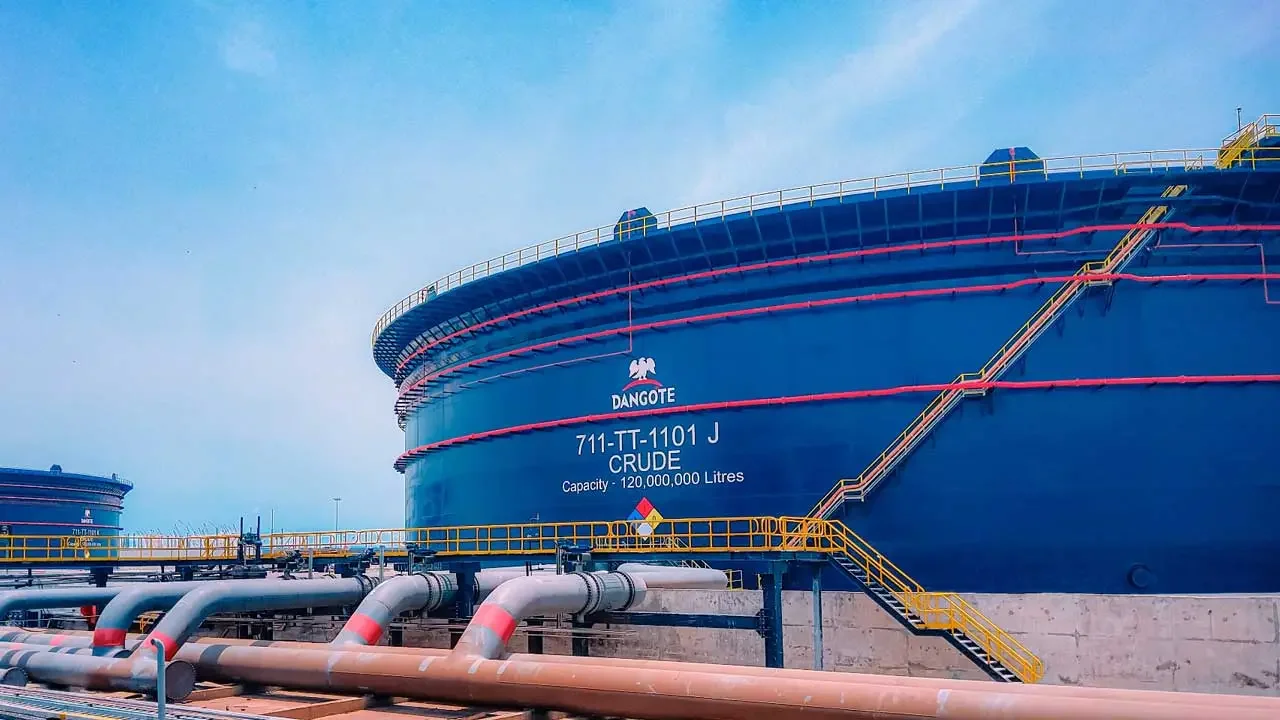
The rising cost of building materials has been linked to persistent inflationary pressures and fluctuations in the foreign exchange market. Many construction inputs, machinery components and finishing materials depend on imported raw materials or foreign exchange transactions, making them vulnerable to currency depreciation.
Developers and suppliers note that exchange-rate volatility has increased procurement costs across the construction value chain, while higher fuel prices and transportation expenses have added further pressure to material prices. These factors have combined to raise the overall cost of project delivery nationwide.
Industry analysts argue that inflation remains one of the most significant challenges facing the housing and construction sectors, as it affects everything from raw material sourcing to logistics and labour costs.
Cement, Steel and Other Inputs Record Sharp Increases
Among the most affected materials are cement, steel reinforcement bars, sharp sand, granite and timber products.
Recent industry reports indicate that cement prices have risen sharply over the past year, while steel and other essential construction materials have also recorded significant increases. Lawmakers recently expressed concern that the continued escalation in material costs is worsening Nigeria's housing affordability challenges and contributing to project delays across the country.
Construction professionals warn that the increase in input costs is eroding profit margins and making it increasingly difficult to deliver affordable housing projects, particularly for low- and middle-income earners.
Impact on Housing Delivery and Affordability
The surge in construction costs is expected to have far-reaching implications for Nigeria's housing sector.
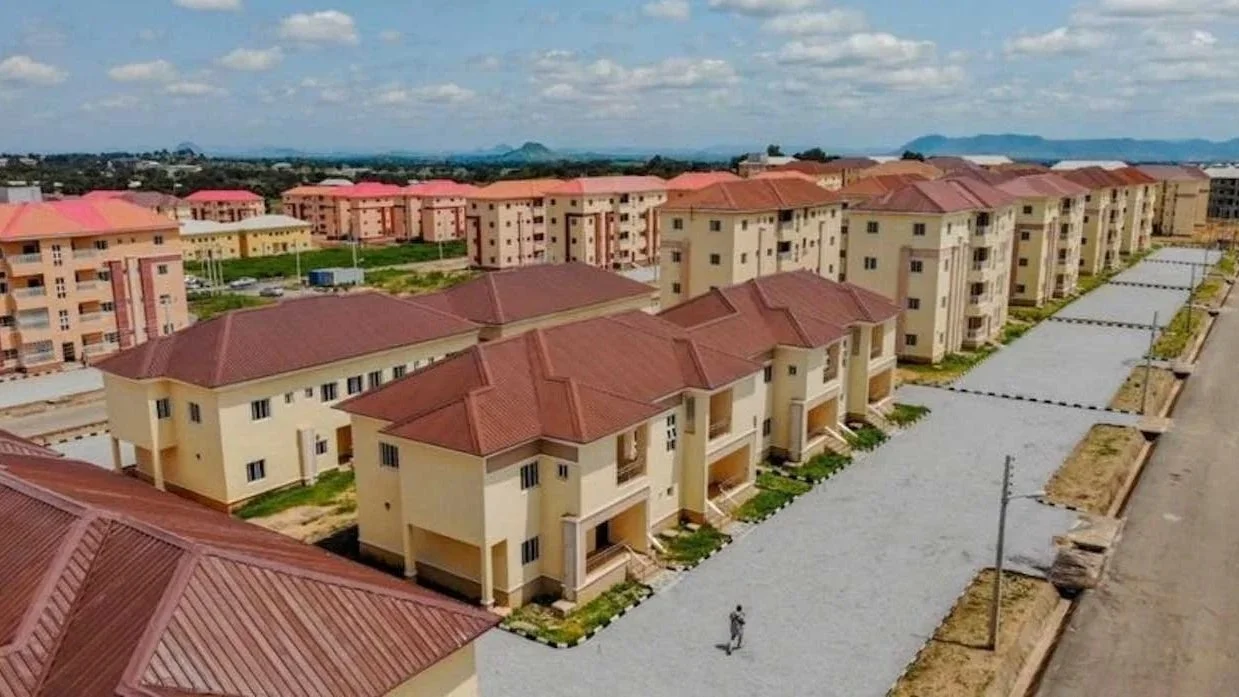
Experts note that building material costs account for a substantial portion of total construction expenditure. As prices rise, developers often face difficult choices between absorbing higher costs, reducing project scope or increasing property prices. In many cases, the additional costs are transferred to buyers through higher home prices or increased rental rates.
Housing industry stakeholders have repeatedly warned that rising construction expenses could slow the pace of housing development, discourage private-sector investment and make homeownership more difficult for many Nigerians.
Developers Seek Policy Intervention
Developers and industry groups are calling for targeted policy measures to address the factors driving construction inflation. Suggested interventions include improving foreign exchange stability, reducing logistics bottlenecks, expanding local production capacity for building materials and addressing infrastructure challenges that increase operating costs.
Stakeholders also advocate policies that encourage local manufacturing of construction inputs, arguing that reducing dependence on imported materials could help insulate the sector from exchange-rate fluctuations and global supply-chain disruptions.
The concerns come as governments and private-sector operators continue efforts to close Nigeria’s housing deficit and accelerate infrastructure development.
Construction Sector Faces Broader Global Cost Pressures
Nigeria is not alone in facing rising construction costs. Across global markets, higher energy prices, supply-chain disruptions and inflationary pressures have contributed to increased prices for construction materials such as cement, concrete, bricks and steel. Industry research indicates that higher energy costs continue to place upward pressure on building material prices worldwide.
Analysts say global commodity price movements and energy market volatility remain key risks for construction industries around the world, particularly in emerging markets that rely heavily on imported materials and equipment.
Outlook for the Housing Market
While demand for housing remains strong, rising construction costs continue to challenge efforts to expand affordable housing supply. Developers, policymakers and financial institutions are expected to play a critical role in identifying solutions that can improve project viability and maintain access to housing.
Industry experts believe that addressing inflationary pressures, strengthening the naira and improving domestic manufacturing capacity will be essential to stabilising construction costs and supporting sustainable growth in the housing sector.
Conclusion
The continued rise in building material prices is adding significant pressure to Nigeria’s construction and housing sectors. Driven by inflation, foreign exchange volatility and higher logistics costs, the increase is raising project expenses and creating new affordability challenges for developers and homebuyers. As stakeholders push for policy reforms and greater local production capacity, the ability to control construction costs will remain central to efforts aimed at expanding housing supply and supporting infrastructure development across the country.
READ MORE