Nigeria’s Energy Inflation More Than Doubles to 10.85% in September
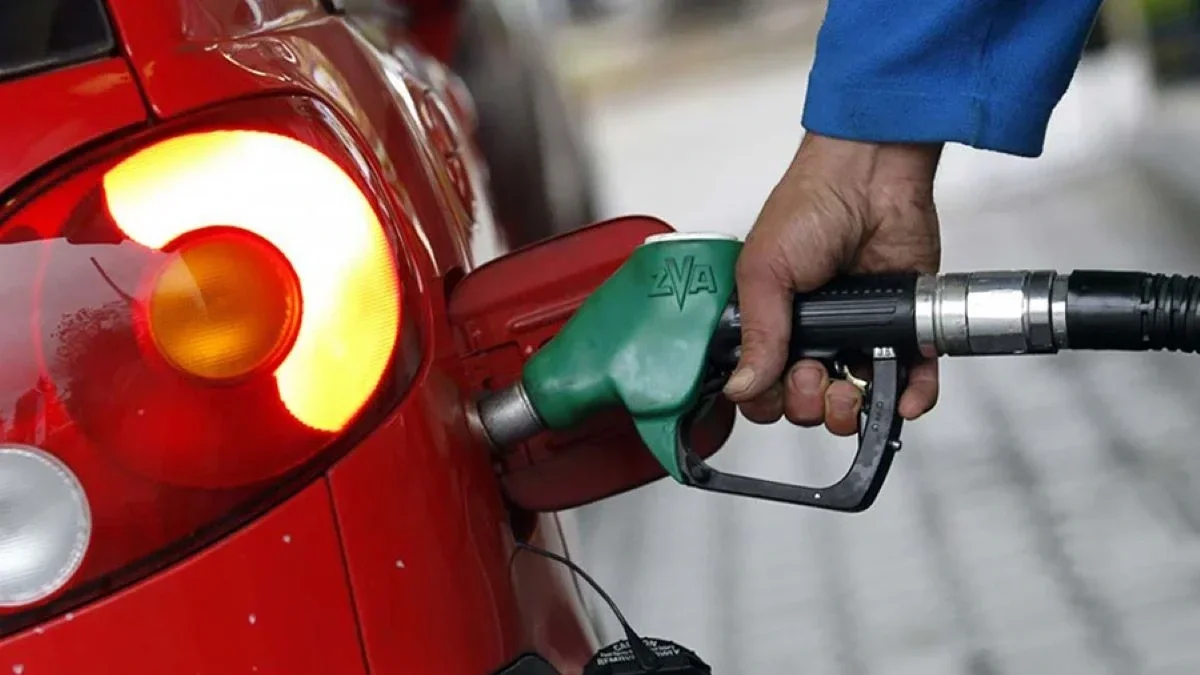
Energy Inflation Rebounds Sharply to 10.85% in September, NBS Reports
Nigeria’s energy inflation rate more than doubled to 10.85% in September 2026 from 4.69% in August, as rising energy prices reversed the recent moderation in inflation. The National Bureau of Statistics (NBS) reported the increase in its September 2026 Consumer Price Index (CPI) report, released on Thursday, 15 October, even as the country’s headline inflation rate declined for the fourth consecutive month to 14.63%.
/ You Might Also Like /




Energy Inflation Records Sharp Monthly Increase
The annual rate of energy inflation rose by 6.16 percentage points between August and September, representing a 131.34% increase in the reported inflation rate, according to the NBS data.
On a month-on-month basis, energy inflation climbed to 5.38% in September, reversing the 0.36% decline recorded in August. The change indicates that energy-related prices increased at a faster pace after the slight reduction in the previous month.
Energy inflation fluctuated considerably during the first nine months of 2026. The rate stood at 11.17% in January before rising to 12.90% in February, its highest level during the period.
It subsequently declined to 9.90% in March and 4.60% in April before increasing to 5.73% in May. Energy inflation rose again to 9.90% in June, fell to 4.40% in July and edged up to 4.69% in August before reaching 10.85% in September.
The September figure represents the third-highest annual energy inflation rate recorded during the first nine months of the year, behind January and February.
Rising Petrol Prices Add to Energy Cost Pressures
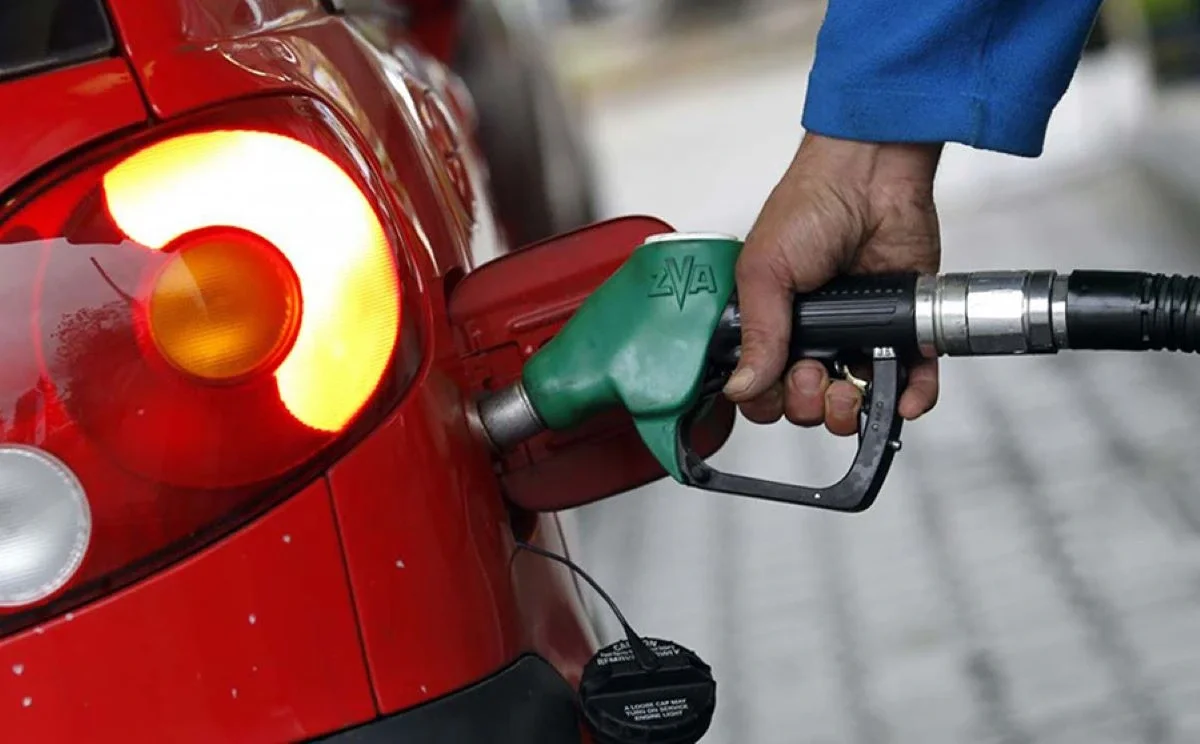
The increase in energy inflation coincides with rising domestic petrol prices following disruptions in global oil markets linked to the conflict involving Iran, Israel and the United States.
Before the conflict began, petrol sold for approximately ₦830 per litre in Nigeria. Prices subsequently rose above ₦1,400 per litre in several locations.
In September, petrol sold for between ₦1,400 and ₦1,430 per litre at filling stations in Lagos, while prices in Abuja ranged from ₦1,400 to ₦1,450 per litre, according to figures reported by Nairametrics.
These prices represented an increase of approximately 69% to 75% from the pre-conflict level of ₦830 per litre.
Higher petrol prices can increase transport expenses for households and businesses, while raising the cost of moving goods and providing services. Businesses that depend on petrol and diesel to power vehicles, generators and equipment may also face additional operating expenses.
The latest inflation figures reflect renewed pressure on energy prices after the relatively lower annual readings recorded in July and August.
CBN Survey Identifies Energy Costs as a Major Concern
The Central Bank of Nigeria’s July 2026 Inflation Expectations Survey also highlighted the pressure inflation places on households and businesses, with energy expenses emerging as a major concern.
The survey found that 60.9% of businesses reported higher spending due to inflation, compared with 55.9% of households.
Energy-related expenses, including petrol, diesel and electricity, recorded scores of 74.1 points among businesses and 61.9 points among households as factors influencing inflation perceptions.
The findings highlight the importance of energy costs to business expenditure and household budgets. Higher fuel and electricity expenses can affect transport costs, the cost of operating businesses and the amount households have available for other needs.
Federal Government Introduces Temporary Petrol Discount
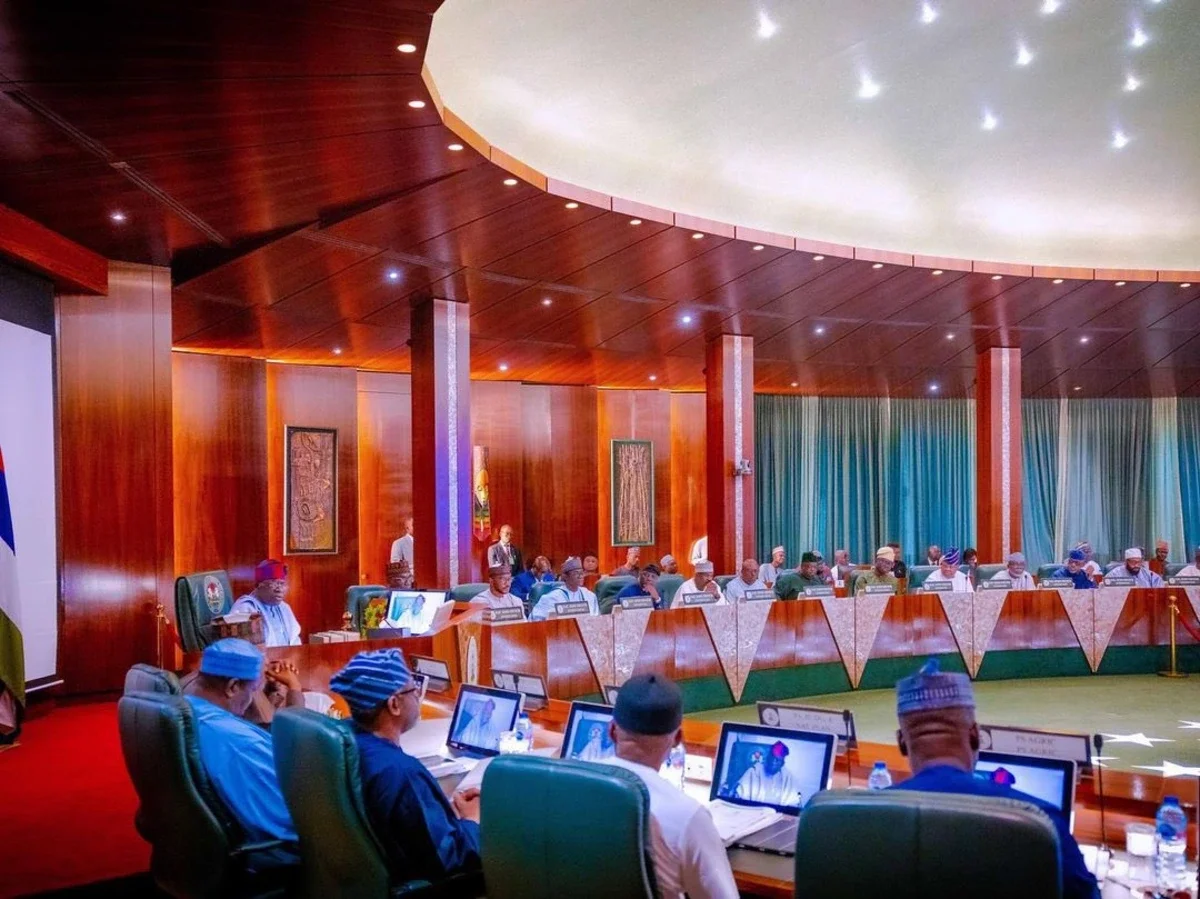
The Federal Government announced a 30-day petrol discount at Nigerian National Petroleum Company Limited (NNPC Ltd.) retail stations on 8 October 2026, with commercial transport operators receiving priority under the arrangement.
The initiative aims to provide temporary relief from high petrol prices and potentially reduce transport costs for commuters.
The government clarified that the intervention did not represent a return to petrol subsidies. Instead, NNPC Retail would absorb the discount through its profit margins without drawing funds from the federal budget or Federation Account.
However, independent oil marketers raised concerns about limiting the discount to NNPC retail outlets, arguing that the arrangement could restrict access to the price relief in areas with limited NNPC station coverage.
Representatives of the Independent Petroleum Marketers Association of Nigeria (IPMAN) called on the government to extend the programme from 30 to 60 days and include independent marketers to improve its nationwide reach.
Energy Inflation Rises Despite Slower Headline Inflation
Nigeria’s headline inflation rate declined to 14.63% in September from 15.39% in August, according to the NBS. The decline marked the fourth consecutive monthly reduction in the annual headline inflation rate in 2026.
However, the increase in energy inflation shows that price movements across different components of the consumer price index remain uneven. While overall inflation moderated, energy prices recorded a sharp acceleration over the same period.
The latest figures therefore present contrasting developments in Nigeria’s inflation trend: a continued decline in headline inflation alongside renewed pressure from energy costs.
The September CPI report provides the latest indication of the direction of consumer prices as households and businesses contend with higher petrol costs and other energy-related expenses.
READ MORE