Waste Crisis Worsens in Abuja Satellite Towns as Residents Demand Urgent Action
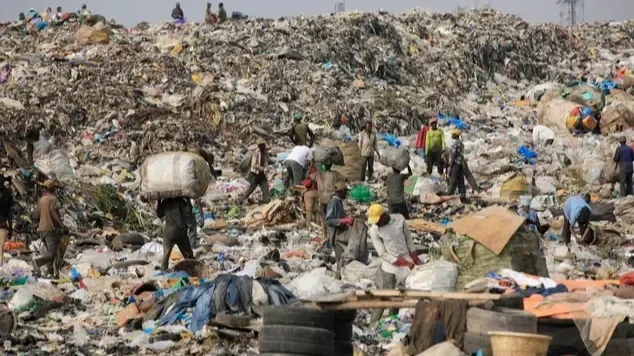
Poor Waste Management Plunges Abuja Satellite Communities into Crisis
Residents of satellite communities around Abuja have raised alarm over deteriorating living conditions caused by a worsening waste management crisis. Across areas such as Karu, Nyanya, and Kurudu, uncollected refuse, illegal dumping, and weak sanitation systems have created severe environmental and public health concerns.
Waste Accumulation and Environmental Breakdown
Reports from affected communities indicate that heaps of refuse now line major roads and residential streets, with waste spilling from informal dumpsites into public spaces. Decomposing garbage including food waste, plastics, and hazardous materials has become a constant feature of daily life.
/ You Might Also Like /




Residents describe an environment dominated by persistent foul odours, with black nylon bags often bursting open and exposing untreated waste. The situation reflects systemic failures in waste collection and enforcement across rapidly expanding urban fringes.
Health Risks and Livability Challenges
Health experts warn that prolonged exposure to unmanaged waste poses significant risks. Decomposing refuse emits toxic gases such as methane and carbon monoxide, while stagnant water around dumpsites creates breeding grounds for disease vectors.
Residents report rising cases of respiratory issues, infections, and vector-borne diseases. Children remain particularly vulnerable, often playing near dumpsites due to a lack of recreational spaces.
Daily life has also become increasingly difficult:
Flies and pests contaminate food and living spaces
Smoke from burning waste affects air quality
Sleep disruption due to odour and environmental discomfort
Economic Impact on Households and Small Businesses
The waste crisis is also affecting local economic activity. Traders, artisans, and service providers report declining patronage as customers avoid areas near dumpsites.
Small businesses especially food vendors and mechanics face income losses due to hygiene concerns and reduced foot traffic. In low-income satellite towns, where livelihoods depend heavily on informal economic activity, these disruptions have direct implications for household income stability.
Structural Drivers of the Crisis
Residents attribute the situation to a combination of systemic challenges:
Irregular or absent waste collection services
Illegal dumping by contractors, often at night
Weak enforcement of environmental regulations
Rapid population growth in satellite settlements
Satellite towns around Abuja have expanded rapidly due to housing affordability constraints in the city centre, placing additional pressure on already limited infrastructure.
Governance Gaps and Institutional Challenges
The crisis has exposed coordination gaps among agencies responsible for sanitation. Authorities have indicated that jurisdictional limitations affect service delivery in satellite towns, complicating response efforts.
Despite warnings from the Federal Capital Territory administration and enforcement directives targeting erring waste contractors, residents report limited improvement on the ground.
Implications for Housing and Urban Development
Declining Housing Quality
The persistence of unmanaged waste undermines housing quality and reduces the livability of satellite communities, which already face infrastructure deficits.
Public Health Risks
Uncontrolled waste accumulation increases the likelihood of disease outbreaks, particularly in densely populated, low-income areas.
Urban Planning Deficiencies
The situation highlights gaps in integrating waste management into urban expansion plans, especially in peri-urban zones experiencing rapid growth.
Investor and Development Risks
Environmental degradation in residential areas may deter investment and complicate future urban development initiatives.
Policy Considerations and Outlook
Addressing the crisis will require coordinated action across multiple levels of government. Key priorities include:
Expanding waste collection infrastructure in satellite towns
Strengthening enforcement against illegal dumping
Improving inter-agency coordination
Investing in recycling and waste treatment systems
Residents are calling for immediate intervention, warning that the situation has evolved into a full-scale environmental and public health emergency.
The worsening waste crisis in Abuja’s satellite towns underscores the growing strain on urban infrastructure driven by rapid population expansion and uneven service delivery.
Without decisive policy action and sustained investment in waste management systems, living conditions in these communities will continue to deteriorate, posing long-term risks to public health, housing quality, and urban sustainability.
READ MORE