Lagos Traders Face Fresh Warning Over Fake Products and Hidden Prices
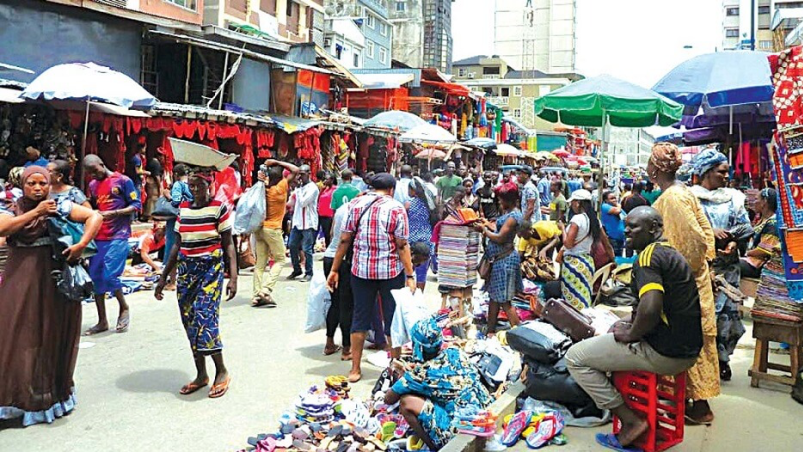
Lagos traders face fresh consumer warning
Traders in Lagos are facing fresh warnings over the sale of counterfeit products and pricing practices that can leave consumers paying more than initially advertised.
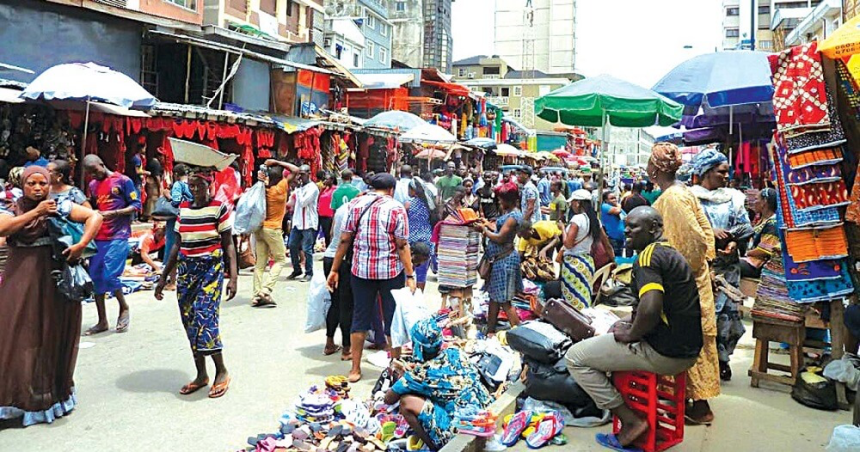
The concerns place renewed attention on consumer protection and market regulation as Lagos continues to operate one of Nigeria’s largest and most commercially active retail environments.
/ You Might Also Like /




Fake Products Raise Consumer Protection Concerns
The sale of counterfeit and substandard goods creates risks beyond individual financial losses. Consumers can face safety concerns, reduced product quality and difficulties obtaining refunds or enforcing warranties when products are misrepresented.
Counterfeit goods have remained a wider challenge in Lagos markets. A recent investigation into electronics trading at Alaba International Market, for instance, documented cases where refurbished or imitation televisions were presented to buyers as genuine branded products.
The issue has also extended beyond consumer electronics. NAFDAC reported in February 2026 that it uncovered warehouses in Lagos containing more than 10 million doses of counterfeit and banned medicines valued at more than ₦3 billion.
Hidden Prices Add to Market Transparency Concerns
Pricing transparency remains another important element of consumer protection.
When traders advertise one price but introduce additional charges or conditions only after a buyer has committed to a purchase, consumers can find it difficult to make meaningful comparisons between competing products and businesses.
Greater transparency can help formal retailers compete on clearer terms while giving consumers more information before completing transactions.
Implications for Lagos’ Commercial Property Market
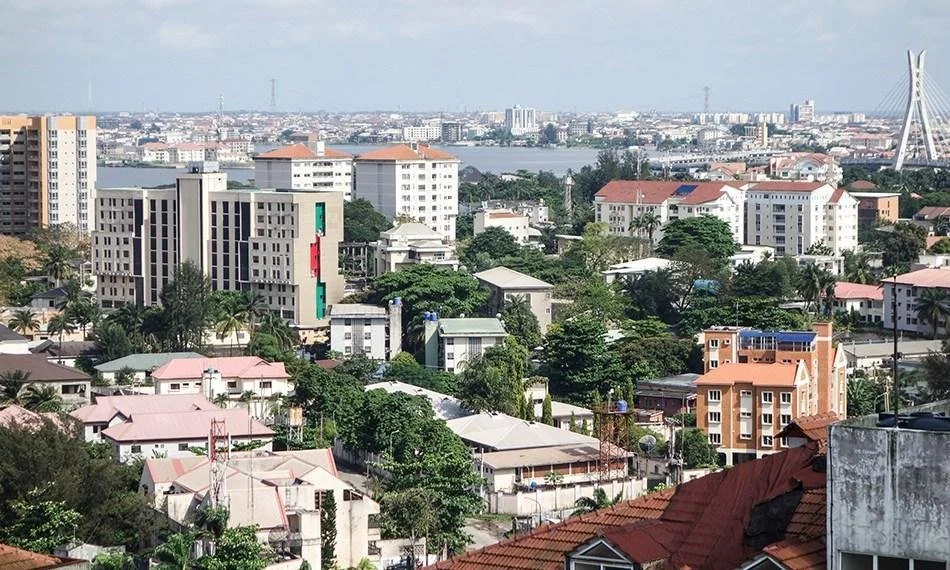
The issue also has implications for Lagos’ retail and commercial property environment.
Markets and shopping districts depend on consumer confidence, foot traffic and the reputation of businesses operating within them. Persistent counterfeit trading or deceptive commercial practices can undermine confidence in particular locations and create additional regulatory pressures for market managers and property owners.
For formal retail developments, transparent pricing, product authenticity and enforceable consumer standards can form part of the broader operating environment that differentiates organised retail from less regulated trading spaces.
This becomes increasingly relevant as Lagos expands its formal commercial infrastructure and developers invest in shopping centres, neighbourhood retail facilities and mixed-use developments.
Stronger Enforcement Could Support Formal Retail
More effective enforcement against counterfeit goods and deceptive pricing could also support businesses that comply with product standards and consumer-protection requirements.
Regulatory agencies, market associations and property managers each have a role to play in improving oversight, while traders can reduce disputes by clearly displaying prices, accurately representing products and providing appropriate documentation for sales.
For consumers, the broader lesson is the need to verify products, compare prices and demand receipts or other evidence of purchase where appropriate.
Conclusion
The fresh warning to Lagos traders highlights wider challenges around counterfeit goods, pricing transparency and consumer protection.
As Lagos’ retail and commercial property markets continue to expand, stronger market oversight and clearer trading practices will remain important to maintaining consumer confidence and supporting a more transparent commercial environment.
READ MORE