The proposed FCT rent regulation bill seeks to limit compulsory advance rent payments and introduce financial penalties for landlords
Landlords, estate agents and property management companies in the Federal Capital Territory (FCT) could face fines of up to ₦20 million under a proposed rent regulation bill that seeks to curb excessive advance rent demands and strengthen tenant protection in Abuja.
The Federal Capital Territory Advance Rent Regulation and Tenants’ Protection Bill, 2026 (HB.2839), proposes fines ranging from ₦500,000 to ₦5 million for individuals convicted of knowingly demanding or receiving unlawful advance rent. Corporate organisations found guilty of similar violations could face penalties between ₦5 million and ₦20 million.
/ You Might Also Like /




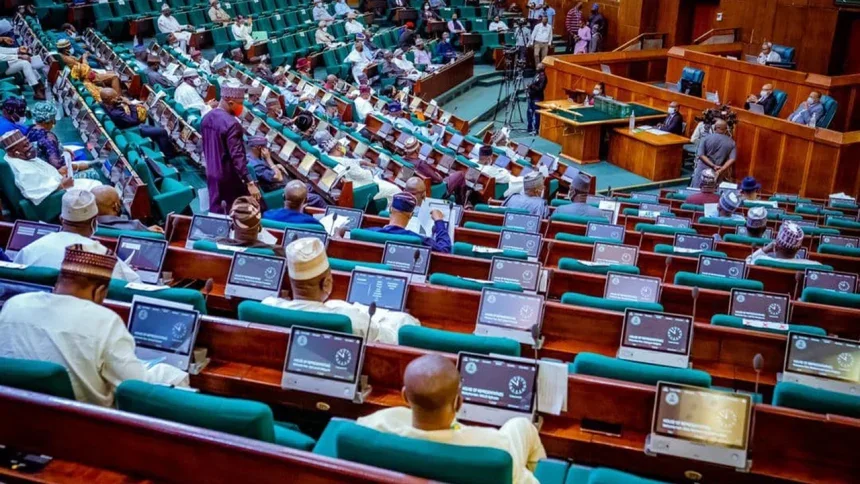
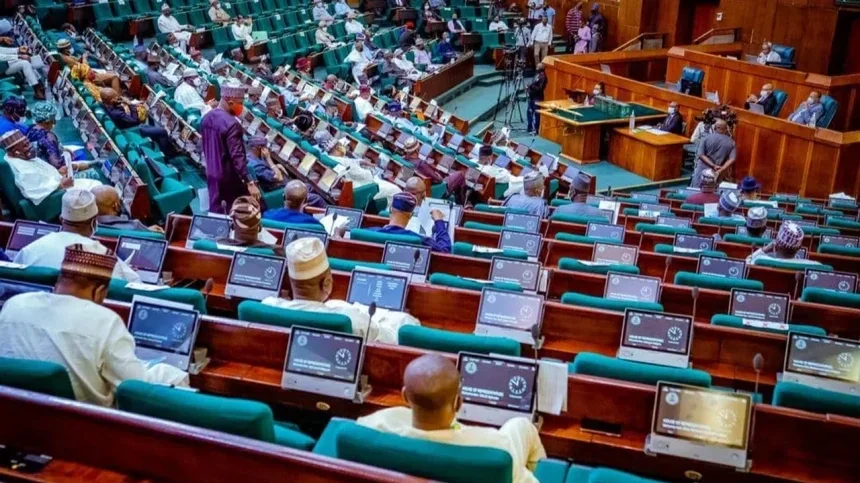
The proposed legislation, jointly sponsored by Paul Nnamchi and Ahmed Doro, passed its second reading in the House of Representatives on 4 November 2026. It now faces further legislative scrutiny, including committee consideration, before it can progress towards final passage.
The bill seeks to prohibit landlords, estate agents and property managers from demanding or compelling tenants to pay more than 12 months' rent upfront as a condition for securing, renewing or continuing a tenancy.
The proposed penalties are not yet enforceable because the legislation has not completed the lawmaking process.
What the Proposed ₦20m Fine Covers
Under the proposed legislation, individual landlords, agents and property managers convicted of knowingly demanding or receiving advance rent beyond the permitted limit could face fines of between ₦500,000 and ₦5 million.
Corporate bodies found guilty of the offence could face fines ranging from ₦5 million to ₦20 million.
The bill also proposes a fine of up to ₦1 million for anyone who fails to comply with a valid compliance notice issued by the proposed regulatory authority.
Beyond financial penalties, courts could order refunds of unlawfully collected rent and compensation for proven losses. The provisions are intended to discourage landlords and intermediaries from using excessive upfront payments to restrict access to accommodation.
The proposed rules would also cover arrangements designed to circumvent the 12-month limit, including the use of intermediaries, compulsory service charges, artificial tenancy renewals and separate agreements intended to extract more than one year's rent.
Landlords Would Still Be Allowed to Collect Annual Rent
The proposed legislation does not prohibit advance rent payments altogether. Instead, it seeks to establish 12 months as the maximum amount landlords can compulsorily demand upfront.
Landlords would therefore retain the option of collecting a full year's rent in advance, provided the demand does not exceed the proposed limit.
The bill also makes provision for tenants to voluntarily pay more than 12 months' rent where they initiate the arrangement without coercion, threats, discrimination or retaliation. Such payments would have to be documented in writing.
This distinction is important because the proposal does not make monthly or quarterly rent payments compulsory. A landlord could still require a tenant to pay one year's rent upfront, even where the tenant receives a monthly salary.
Consequently, the legislation would address compulsory multi-year payments without necessarily removing the financial pressure associated with raising a full year's rent at once.
New Authority Would Regulate Rental Transactions
A major provision of the bill is the proposed establishment of the Federal Capital Territory Rent Regulation and Tenants' Protection Authority.
The authority would oversee rental transactions, receive and investigate complaints, monitor landlords and estate agents, facilitate dispute resolution and issue compliance notices.
It would also have powers to order refunds where it determines that tenants have made unlawful rental payments. Under the proposal, recipients of such payments could be required to refund the affected amounts within 30 days of receiving the order.
The authority would also be expected to establish complaint offices and electronic reporting channels across the FCT, including satellite communities.
The proposed framework seeks to bring greater oversight to a rental market where tenants often face substantial upfront demands and limited options for resolving disputes.
Written Agreements and Unlawful Evictions
The proposed law goes beyond advance rent restrictions. It also seeks to make written tenancy agreements a requirement for rental transactions.
These agreements would have to state the rent, payment schedule, duration of the tenancy, refundable deposits, additional charges and the respective obligations of landlords and tenants.
Landlords and authorised agents would also be required to disclose compulsory charges before concluding tenancy agreements and provide receipts or verifiable electronic proof of payments.
The bill further seeks to prohibit unlawful eviction practices, including threats or violence, disconnecting essential services, removing tenants' belongings and changing locks without legal authority.
However, it does not remove landlords' right to recover rent or possession of their properties through established legal procedures.
Will the Proposed Law Reduce Rent in Abuja?
Although the bill seeks to improve tenant protection, it does not introduce a ceiling on rental prices or restrict how much landlords can charge when letting or renewing properties.
Landlords would still determine their rental prices, and the proposal does not establish a general limit on annual rent increases.
It also does not prescribe maximum amounts for agency fees, agreement fees or caution deposits. Instead, it focuses on disclosure of compulsory charges and preventing the use of additional payments to evade the advance-rent restriction.
This means tenants could continue to face high accommodation costs even if the legislation becomes law.
The proposal also leaves unresolved the wider supply constraints, construction costs and affordability challenges contributing to rising rents in Abuja.
For the rental market, its immediate significance would be the introduction of clearer rules governing advance payments, tenancy documentation, dispute resolution and the conduct of property intermediaries.
Landlords and Tenants Await Further Legislative Consideration
The bill's passage at second reading marks progress in the House of Representatives, but it remains subject to further debate and scrutiny.
It is expected to proceed to the relevant House committee, where lawmakers can examine its provisions and consider contributions from landlords, tenants, estate surveyors and valuers, property managers and other housing stakeholders.
The committee process could lead to amendments before the bill returns to the House for further consideration and third reading.
If the House passes the legislation, it must also secure approval from the Senate. Both chambers must agree on the same version before it can be transmitted to the President for assent.
Until those stages are completed and the legislation takes effect, landlords and property managers are not subject to the proposed ₦20 million penalty under this bill.
For Abuja's property market, the debate will centre on how to improve tenant protection without creating unnecessary uncertainty for property owners and investors. The eventual impact will depend not only on the final provisions but also on the effectiveness of the proposed authority and the enforcement framework.
READ MORE