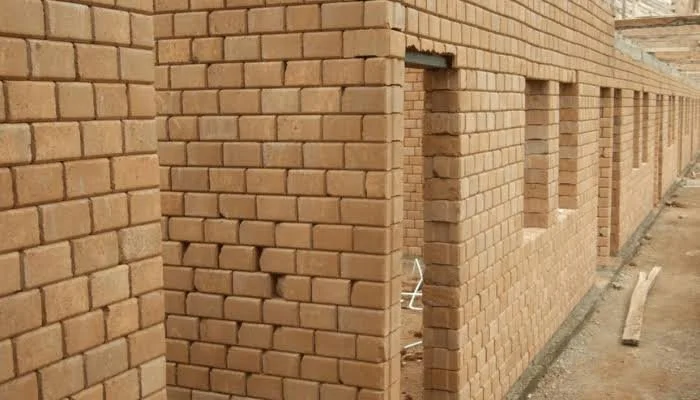
Locally produced clay-based building
A real estate expert has urged Nigeria to expand research and investment in locally produced clay-based building materials as part of efforts to reduce construction costs and improve access to affordable housing.
Ayodeji Fasehun said clay products and other locally available materials deserve greater attention as developers and prospective homeowners struggle with rising prices of conventional building inputs.
/ You Might Also Like /




However, he cautioned that clay should not automatically be considered a cheaper alternative to concrete blocks simply because the raw material is locally available. Its suitability will depend on production costs, durability, installation requirements and compliance with construction standards.
His recommendations come amid persistent concerns about building collapses, substandard construction materials and the rising cost of delivering homes across Nigeria.
Clay Could Provide an Alternative to Conventional Building Materials
Nigeria's dependence on conventional construction materials, alongside rising production, transportation and energy costs, continues to put pressure on housing development budgets.
Fasehun argued that locally produced clay and other alternative materials could help reduce this pressure if manufacturers can produce them at competitive prices and meet the required quality standards.
He noted that assessing the affordability of a building material requires looking beyond its purchase price. Developers must also consider transportation, handling, storage, labour, installation, finishing, durability and maintenance expenses.
A locally available material may therefore offer little financial advantage if processing and installation costs remain high or if it requires expensive maintenance.
He called for stronger research and development into materials suited to Nigeria's environmental and economic conditions, rather than relying excessively on imported construction inputs.
For the housing sector, wider adoption of locally manufactured materials could support domestic production, reduce exposure to some import-related cost pressures and create opportunities for manufacturers and suppliers.
However, achieving these benefits will require consistent product standards, appropriate testing facilities and greater confidence among developers, professionals and homebuyers.
Rising Construction Costs Increase Pressure on Developers
The expert identified inflation, exchange-rate fluctuations, energy expenses, transportation charges, labour costs and higher manufacturing expenses as major contributors to the rising cost of building materials.
He explained that procurement costs extend beyond manufacturers' quoted prices because developers must also account for handling, storage, wastage and financing.
These pressures make procurement planning increasingly important, particularly for developers managing projects with tight budgets and limited access to affordable construction finance.
Fasehun advised developers to compare suppliers, verify material quality, negotiate effectively and avoid unnecessary emergency purchases.
He warned against selecting materials solely because they are cheaper, stressing that cost reduction must not compromise the structural integrity of buildings.
The distinction is particularly important in a market where developers and homeowners face pressure to reduce construction expenses while maintaining acceptable safety standards.
Building Collapse Prevention Requires Stronger Oversight
Beyond the cost of materials, Fasehun identified weak enforcement of building regulations, inadequate inspections and the use of substandard products as factors contributing to recurring building collapses in Nigeria.
He argued that structural failures should not be treated solely as engineering problems because construction involves several interconnected stages, including land and soil investigation, design, approvals, procurement, supervision, construction and maintenance.
A failure at any stage can compromise the safety of the completed building.
He cited the substitution of specified reinforcement with inferior materials as an example of how procurement decisions can undermine structural integrity.
He called for more effective enforcement of existing regulations, inspections at critical construction stages and stronger testing, certification and market surveillance of building materials.
The Standards Organisation of Nigeria has an important role in ensuring that construction products meet established specifications, while state building-control agencies must verify that developers execute projects in line with approved designs.
Fasehun also called for greater accountability where investigations establish negligence, deliberate compromise of construction standards or professional misconduct.
Professional Competence Remains Critical to Safer Housing
The expert identified quackery and the engagement of unqualified contractors as additional risks to building safety.
He urged prospective homeowners and developers to verify the qualifications and professional registration of the architects, engineers, builders, quantity surveyors and other specialists involved in their projects.
He also cautioned against assuming that experience with smaller buildings automatically qualifies a contractor to undertake more complex developments.
According to him, construction responsibilities should remain with professionals who possess the appropriate expertise for each stage of a project.
Fasehun acknowledged that professional fees add to development costs but argued that competent professional services can prevent much larger financial losses resulting from poor construction, structural defects and expensive repairs.
He encouraged professionals to provide transparent services and demonstrate value for money, while advising clients against excluding qualified specialists simply to reduce initial expenses.
Government Support Could Encourage Local Building Materials
Fasehun called for stronger coordination among government agencies, professional bodies and industry stakeholders to improve construction standards and encourage the development of locally manufactured building materials.
He said government support for research, testing, certification and local manufacturing could help create an environment in which alternative materials compete on quality, durability and cost.
He also highlighted the need to address broader factors driving construction expenses, particularly energy, transportation, foreign-exchange pressures and infrastructure weaknesses.
For Nigeria's affordable housing ambitions, the development of alternative building materials could complement wider efforts to improve construction efficiency and reduce development costs.
However, the availability of cheaper materials alone will not resolve the housing affordability challenge. Access to land, infrastructure, construction finance, skilled labour and effective regulation will remain important to delivering homes at prices households can afford.
Homeowners Advised Against Cutting Costs at the Expense of Safety
For prospective homeowners, Fasehun recommended beginning construction with proper planning, land and soil investigations, professional designs, regulatory approvals and realistic budgeting.
He advised those whose budgets cannot accommodate their original building plans to reduce the size of the project or construct it in phases rather than compromise on materials and structural requirements.
The advice reflects a wider challenge in Nigeria's housing market: the pressure to make homes more affordable must be balanced with the need to ensure that buildings remain safe and durable throughout their useful lives.
The potential of clay-based materials will therefore depend on whether local manufacturers can deliver products that satisfy technical standards while offering genuine savings across the entire construction process.
For developers, policymakers and housing investors, the opportunity lies in supporting local material innovation without weakening the standards that protect occupants and property investments.
READ MORE