
Federal Govt Pegs Housing Deficit at 15m Units to Guide Policy and Investment
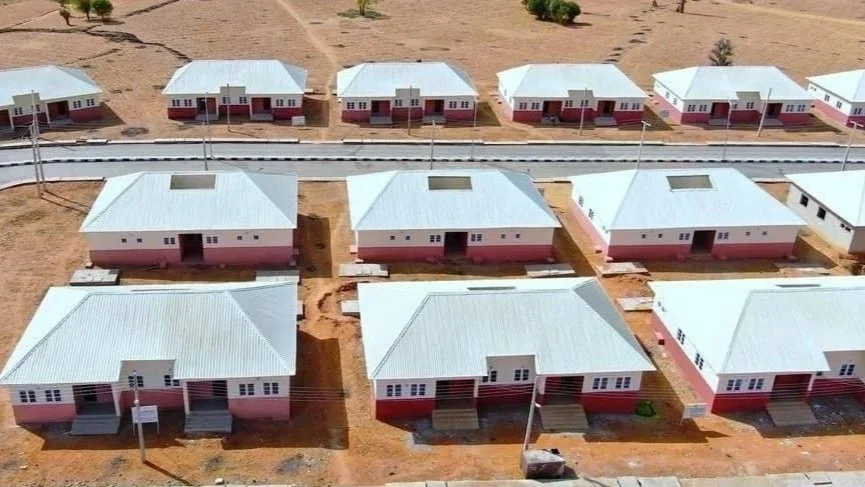
National Housing Data Committee Replaces 20m Deficit Figure with Verified 15m Units
The Federal Government has officially revised Nigeria's housing deficit to 14.925 million units for 2025, providing a scientific baseline intended to replace years of unverified speculation. The data was presented by the National Housing Data Technical Committee during a session at the 14th National Council on Lands, Housing, and Urban Development. This new figure contrasts sharply with the widely cited, though unauthenticated, estimate of 20 million units previously utilized by industry operators.
Scientific Methodology Over Speculation
The Chairman of the National Housing Data Technical Committee and Director at the Nigeria Mortgage Refinance Company (NMRC), Dr. Taofeek Olatinwo, stated that the new estimates were derived from the National Housing Data Programme. This analysis utilized validated sources, including national household surveys, population and housing census data, and international best practice adequacy indices.
Central to this new calculation is the "number of persons per room" standard, which provides a more accurate reflection of housing adequacy than previous methods. The committee highlighted that the supply gap remains driven by:
Rapid Urbanisation: Intense pressure on existing infrastructure in major city centers.
Finance Constraints: Limited access to long-term, low-interest housing finance for the average Nigerian.
Land and Title Bottlenecks: Legal and administrative hurdles in land acquisition and securitisation.
Institutional Reaction: Planning Over Guesswork
The Minister of Housing and Urban Development, Arc. Ahmed Musa Dangiwa, commended the committee for bringing clarity to the sector. He emphasized that the absence of reliable, centralized data has historically turned planning into "guesswork" and made investment speculative.
“Without data, tracking progress becomes difficult,” Dangiwa noted, adding that the verified figure of 14.9 million units provides a clear target for the government, developers, and lenders to plan effectively and allocate resources with precision.
The Role of the National Housing Data Centre
The Technical Committee a multi-agency body involving the National Bureau of Statistics (NBS), Central Bank of Nigeria (CBN), Federal Mortgage Bank of Nigeria (FMBN), and the NMRC is currently leading efforts to establish a National Housing Data Centre. This platform is designed to aggregate and standardise housing and mortgage market data.
The primary objective of the centre is to provide a single source of truth that supports:
Policy Formulation: Enabling the government to design interventions tailored to regional needs.
Resource Allocation: Guiding institutional investors toward high demand areas.
Transparency: Improving the mortgage market by providing reliable data on housing stock and affordability.
While the reduction of the deficit figure from 20 million to approximately 15 million may suggest a smaller challenge on paper, the revised data underscores a massive structural gap that requires urgent, coordinated action. By shifting toward a data driven approach, the Federal Government has laid the groundwork for more accountability in housing delivery. However, the success of this initiative will ultimately depend on whether this data is translated into aggressive reforms in land administration and the expansion of mortgage access to bridge the documented 14.9 million-unit gap.
