Lagos to Calabar Coastal Highway Secures $1.2 Billion UAE-Backed Financing
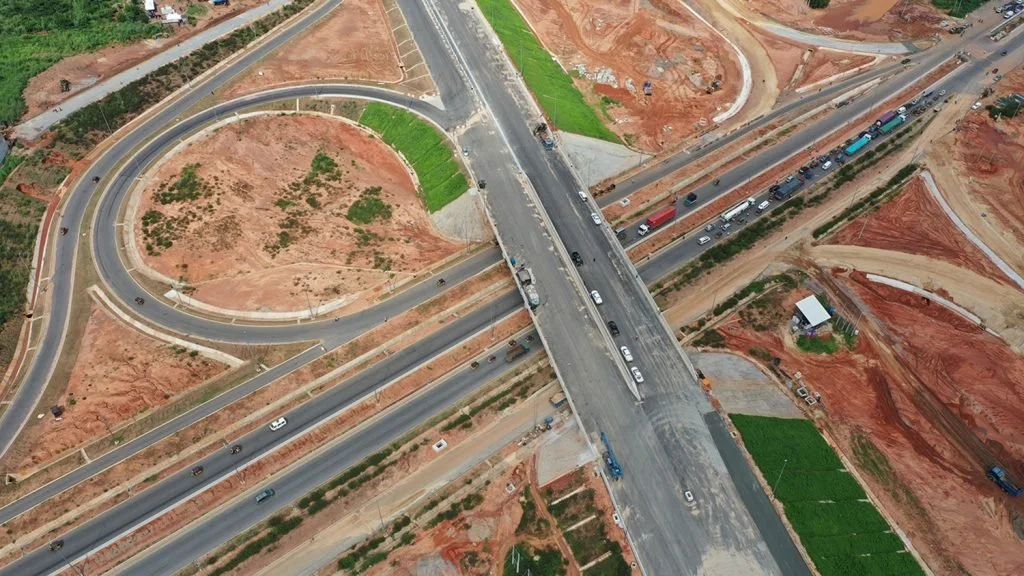
Nigeria’s landmark Lagos to Calabar Coastal Highway has received a major financial boost following the confirmation of a $1.2 billion loan backed by the United Arab Emirates. The funding strengthens the Federal Government’s ability to sustain construction work on one of the country’s most ambitious transport infrastructure projects.
The financing will support the development of a key 56 kilometre section of the coastal highway. This segment forms part of a much larger corridor planned to stretch roughly 700 kilometres along Nigeria’s southern coastline once fully completed.
Strengthening Southern Connectivity
The Lagos to Calabar Coastal Highway is designed to connect major economic and population centres across Nigeria’s coastal states. By linking Lagos in the southwest to Calabar in the southeast, the project aims to significantly reduce travel times, improve safety, and create a continuous transport spine along the Atlantic corridor.
Beyond mobility, the highway is positioned as a catalyst for trade, logistics, and regional integration. Improved road access is expected to enhance the movement of goods and people across southern Nigeria, supporting industrial activity and cross state commerce.
What the Financing Signals
The UAE backed loan reflects growing international confidence in Nigeria’s large scale infrastructure pipeline. By attracting offshore financing for a capital intensive project, the government is reinforcing its strategy of blending public investment with external funding to address long standing infrastructure gaps.
The deal also builds on earlier financing arrangements for different phases of the coastal highway, indicating a phased but sustained approach to delivering the project.
Real Estate and Development Implications
For the real estate and construction ecosystem, the coastal highway has wide ranging implications. Large transport corridors historically reshape land values and development patterns, and this project is expected to be no different.
Improved connectivity could drive increased interest in residential developments, logistics parks, mixed use estates, and hospitality projects along the corridor. Areas that were previously difficult to access may become viable for new housing and commercial investment as infrastructure improves.
Developers and investors are likely to begin reassessing long term opportunities along the coastal route, particularly in locations positioned to benefit from better access to Lagos and other major cities.
Looking Ahead
With fresh financing now secured, construction momentum on the Lagos to Calabar Coastal Highway is expected to continue. While the project will be delivered in phases over several years, it remains one of the most consequential infrastructure undertakings in Nigeria today.
As work progresses, the highway is set to play a defining role in shaping transport efficiency, regional growth, and real estate dynamics across Nigeria’s southern corridor.