
Benue Government Unveils ₦605.5bn 2026 Budget Proposal
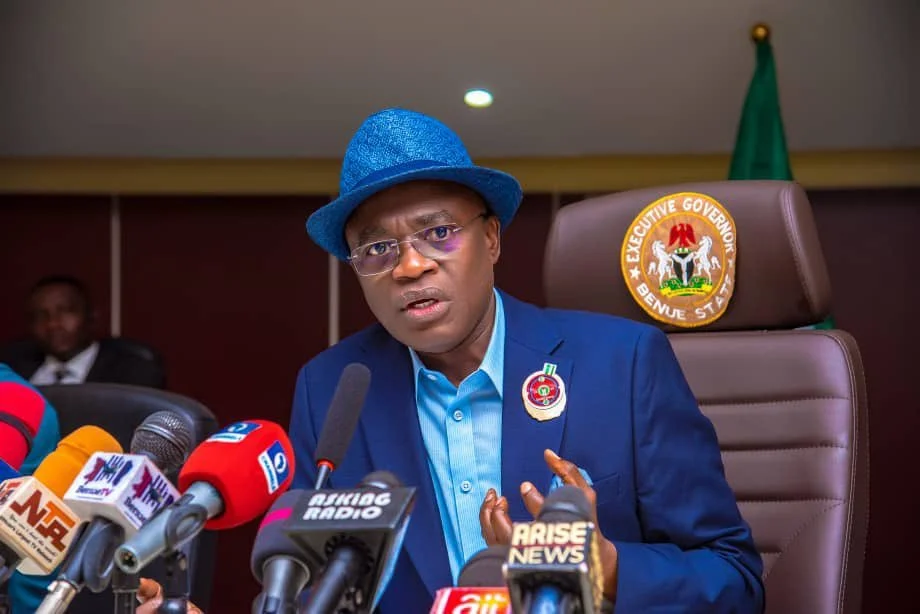
Benue State Governor, Rev. Fr. Hyacinth Iormem Alia, has presented a ₦605.5 billion 2026 budget proposal to the Benue State House of Assembly, outlining the state’s fiscal priorities for the coming year with a strong focus on infrastructure, rural development, and economic growth.
The proposed budget, described by the state government as a framework for rural transformation and sustained development, reflects an increase over the previous year’s allocation and signals continued emphasis on capital investment across key sectors.
Infrastructure Takes Priority
A significant portion of the ₦605.5 billion proposal is dedicated to capital expenditure, underscoring the administration’s focus on long-term development projects. Infrastructure spending is expected to target road construction and rehabilitation, bridges, rural connectivity, water supply, and power infrastructure, all of which play a critical role in shaping housing development and settlement patterns across the state.
Improved transport infrastructure is particularly important for Benue, where many communities remain poorly connected. Better roads and bridges are expected to open up new areas for residential development, reduce travel times, and improve access to markets, schools, and healthcare facilities.
Housing and Community Development Implications
While the budget is broadly focused on economic and rural development, its infrastructure components carry direct implications for housing growth and neighbourhood quality. Expanded road networks and improved utilities such as electricity and water are likely to make peri-urban and rural areas more attractive for housing investment.
Developers and private investors often follow infrastructure, and improved access can increase land values and stimulate demand for residential estates, rental housing, and community-based developments. For residents, these investments translate into more liveable environments and improved quality of life.
Rural Development and Urban Balance
The budget’s emphasis on rural development aims to reduce pressure on urban centres by improving living conditions in outlying communities. By strengthening infrastructure in rural areas, the government hopes to support population retention, encourage local economic activity, and create conditions for orderly settlement growth rather than uncontrolled urban migration.
This approach aligns with broader housing and planning objectives, as balanced development reduces congestion in major towns while expanding housing opportunities across the state.
Economic Strategy and Growth Outlook
Governor Alia described the 2026 budget as a tool for inclusive growth, designed to support livelihoods, expand productive capacity, and strengthen the state’s economic base. Infrastructure investment sits at the centre of this strategy, providing the foundation for private sector activity, job creation, and long-term housing demand.
The presentation of the budget marks the beginning of the legislative review process. Once approved, implementation is expected to commence in early 2026, giving contractors, developers, and investors greater clarity on project timelines and opportunities.
What It Means for the Property Market
For property stakeholders, the proposed 2026 budget sends a positive signal of government commitment to infrastructure-led development. Areas benefiting from new roads, utilities, and public works are likely to see increased interest from homeowners and investors, potentially reshaping housing demand patterns across Benue State in the years ahead.
As the budget progresses through the Assembly, attention will focus on how allocations translate into on-ground execution and the extent to which infrastructure delivery supports sustainable housing and community development.