Wike Orders Probe of FCT Officials Over Illegal Car Lot Approvals
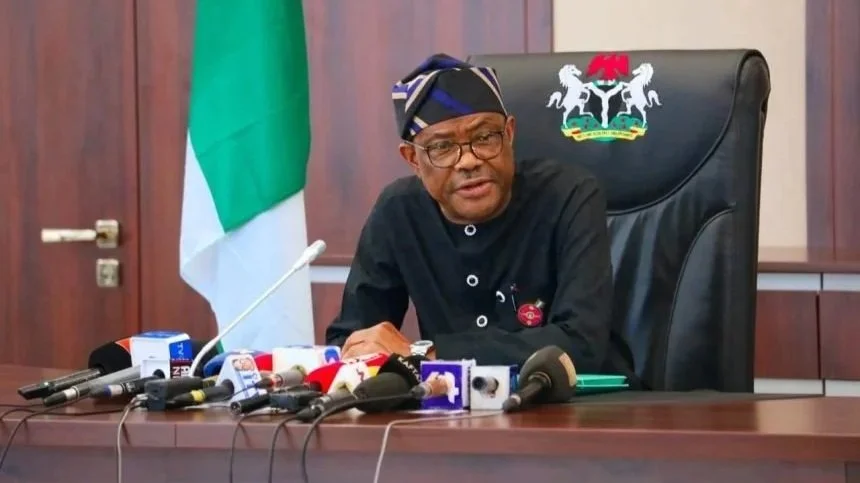
Wike Moves Against Illegal Car Lots on Abuja Parks and Green Spaces
The Minister of the Federal Capital Territory, Nyesom Wike, has ordered an investigation into FCT officials linked to approvals that allowed car dealerships to operate on green areas, parks and gardens in Abuja.
The investigation will examine the roles of directors in the Departments of Parks and Recreation, Environmental Protection, Traffic Management and Urban Affairs. The FCT Head of Service, Nancy Sabanti Nathan, has summoned the affected officials as part of the process.
/ You Might Also Like /




FCT targets commercial use of public green spaces
Wike has also directed the immediate cessation of car dealership activities on green areas and other spaces designated for public recreation.
The FCT Administration said the affected areas include parts of Abuja's parks, gardens and other public spaces. The minister has ordered the creation of a task force to monitor the areas and prevent further unauthorised commercial activities.
The task force will also ensure that businesses removed from the designated spaces do not return or continue operating without the required approvals.
Investigation focuses on land-use approvals
The investigation will determine whether established procedures were breached when officials approved the use of land reserved for parks and recreation for commercial activities.
The development places renewed attention on Abuja's land-use management system, particularly the process through which government land is allocated and development approvals are granted.
For property developers and investors, compliance with approved land-use plans remains critical because unauthorised changes can expose businesses and property owners to enforcement action and financial losses.
Abuja green areas face renewed scrutiny
The FCT Administration's action comes amid growing scrutiny of the use of public spaces in Abuja.
Green areas, parks and gardens form part of the city's planned urban environment. Beyond their recreational function, they provide open spaces that contribute to environmental management and the quality of urban life.
The conversion of such spaces for commercial activities can reduce the amount of land available for public use and potentially undermine the planning objectives established for the capital.
Flooding adds pressure to urban planning
The investigation also comes shortly after flooding affected parts of Abuja following heavy rainfall.
Wike inspected Maitama and other affected areas and ordered the removal of illegal structures obstructing drainage channels. He also warned against activities that could restrict the movement of stormwater.
The two developments highlight the wider consequences of land-use decisions in a rapidly expanding city.
Where drainage corridors, green spaces and other planned areas face unauthorised development, the pressure on existing infrastructure can increase, particularly during periods of heavy rainfall.
Abuja Master Plan set for review
The FCT Administration has also announced plans to review the 1979 Abuja Master Plan.
According to Housing TV Africa, the review will consider population growth, changing climate conditions and whether existing infrastructure can adequately support the capital's development.
The master plan provides the framework for Abuja's development and affects land use across housing, commercial activity, roads, drainage and public spaces.
Its proposed review could therefore have implications for property developers and investors, particularly if land-use classifications, development controls or infrastructure requirements change.
Implications for Abuja's property market
The investigation highlights the importance of clear and enforceable land-use regulations for Abuja's property market.
Developers and investors rely on approved land-use classifications when assessing the viability and long-term security of property investments. Any unauthorised change in the designated use of land can create uncertainty over the validity of development activities.
Stronger enforcement could improve confidence in Abuja's planning system by ensuring that public land remains dedicated to its approved purposes and that commercial developments follow established approval procedures.
Planning enforcement could shape future development
Abuja's rapid population growth has increased demand for residential, commercial and recreational land.
Managing that demand requires the FCT Administration to balance private development with public infrastructure and open-space requirements.
The planned review of the master plan provides an opportunity to reassess how the capital accommodates growth while protecting areas required for drainage, recreation, transportation and other public functions.
For the real estate sector, consistent implementation of those planning rules will be as important as the rules themselves.
Outlook
The investigation into officials linked to illegal car lot approvals represents a renewed effort by the FCT Administration to enforce Abuja's land-use regulations.
The outcome will determine whether any officials breached established procedures when approving commercial activities on land designated for parks and recreation.
For Abuja's property market, the wider significance lies in the FCT's approach to planning enforcement and the proposed review of the city's 1979 Master Plan. Stronger land-use control could support more orderly development, protect public spaces and reduce some of the infrastructure pressures associated with unplanned urban growth.
READ MORE