Contractors on Abuja-Lokoja Highway Ordered Back to Site Within 72 Hours
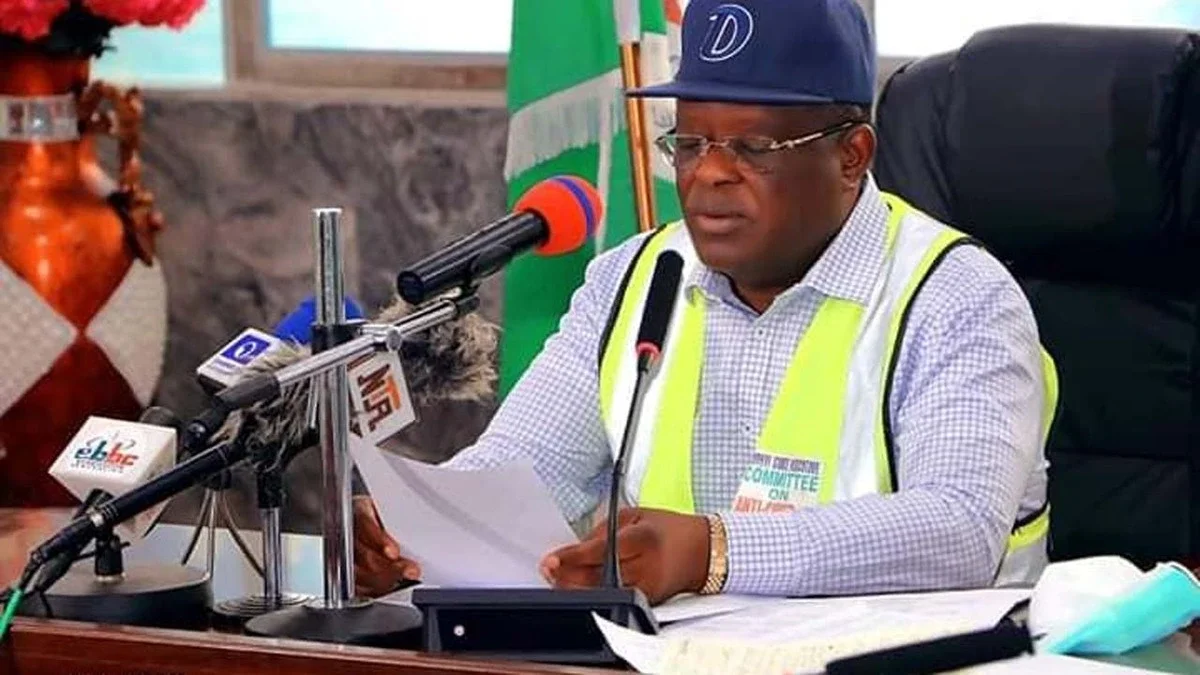
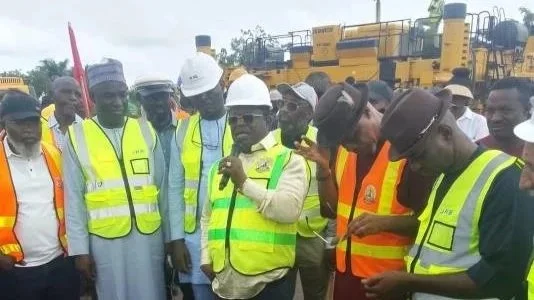
Minister of Works David Umahi has issued a 72-hour ultimatum to contractors handling sections of the Abuja-Lokoja Road rehabilitation project, directing them to return to site immediately and accelerate work or face sanctions. The directive followed an inspection of ongoing works along the corridor, where the minister expressed dissatisfaction with the pace of project execution despite government funding and commitments.
Umahi said the Federal Government had fulfilled its obligations by approving and releasing funds for critical road projects and would no longer tolerate delays from contractors responsible for delivering strategic infrastructure. He warned that contractors who fail to mobilise to site within the stipulated period could face contract reviews, termination and possible referrals to relevant authorities.
/ You Might Also Like /




Government Demands Immediate Mobilisation
During the inspection, the minister criticised contractors for failing to demonstrate sufficient progress despite receiving mobilisation payments and project approvals. According to him, delays on critical infrastructure projects increase transportation costs, create hardship for commuters and undermine economic productivity.
He directed contractors to immediately deploy construction equipment, manpower and materials to their respective sections of the project, stressing that government expects visible progress and adherence to contractual obligations. Umahi noted that infrastructure delivery remains a central component of President Bola Tinubu’s economic agenda and that contractors must match the administration’s commitment to project execution.
The minister further stated that public funds allocated to infrastructure projects must translate into measurable results on the ground. He emphasised that accountability and performance would remain key considerations as the government intensifies oversight of ongoing projects nationwide.
Abuja-Lokoja Road's Strategic Importance
The Abuja-Lokoja Road is one of Nigeria’s most important transport corridors, linking the Federal Capital Territory with major commercial centres across the North Central, South-West, South-East and South-South regions. The highway supports the movement of passengers, agricultural produce, petroleum products and manufactured goods, making its rehabilitation vital to economic activity and regional connectivity.
The corridor serves as a major gateway connecting Abuja with southern and eastern parts of the country. Transport operators and businesses have repeatedly raised concerns over deteriorating sections of the road, citing increased travel times, vehicle maintenance costs and disruptions to supply chains.
Industry stakeholders argue that the successful rehabilitation of the highway could significantly improve logistics efficiency and facilitate trade across multiple regions. Improved road conditions are expected to reduce transportation costs, enhance mobility and support business operations that depend on the corridor for the movement of goods and services.
Implications for Economic Growth and Development
Road infrastructure remains a critical component of Nigeria’s economic development strategy. Efficient transportation networks help lower logistics costs, improve trade flows and strengthen connectivity between key markets.
Analysts note that the Abuja-Lokoja Road rehabilitation could support investment and commercial activity by improving access to major economic centres. Better transportation infrastructure is also expected to enhance regional competitiveness and encourage private-sector participation in various sectors of the economy.
The Federal Government has prioritised road rehabilitation and reconstruction as part of broader efforts to strengthen national infrastructure and support economic growth. In recent months, the Ministry of Works has intensified project monitoring and inspections to ensure contractors meet performance targets and deliver projects according to approved timelines.
Impact on Housing and Urban Development
Beyond transportation, the project also has implications for housing and urban development. Major road infrastructure investments often stimulate residential, commercial and industrial growth by improving accessibility and opening up new development corridors.
Property developers and investors frequently view improved transportation links as catalysts for land development, housing projects and economic expansion. Communities located along major highways often experience increased investment activity as connectivity improves and travel times decline.
For the housing sector, infrastructure upgrades such as the Abuja-Lokoja Road rehabilitation can create favourable conditions for new developments, support property values and encourage urban expansion into emerging growth areas.
Outlook
As the 72-hour deadline approaches, attention will focus on whether contractors comply with the minister’s directive and restore momentum to the project. The outcome will be closely watched by businesses, investors and communities that rely on the corridor, as timely completion could unlock significant economic opportunities and improve connectivity across key regions of the country.
The ultimatum signals a tougher stance on contractor accountability and reinforces the Federal Government’s determination to accelerate infrastructure delivery. If successfully completed, the Abuja-Lokoja Road rehabilitation is expected to strengthen transportation efficiency, support economic growth and contribute to broader national development objectives.
READ MORE