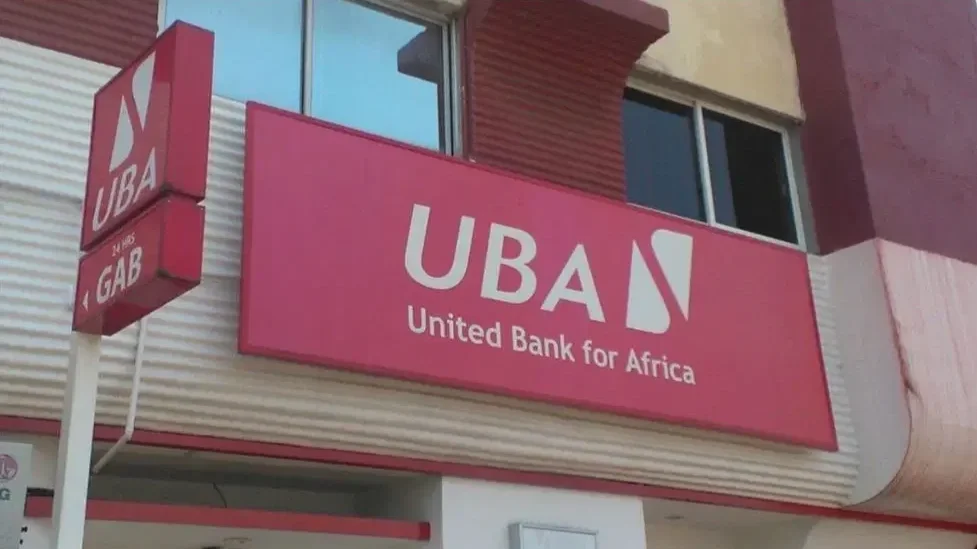
UBA Maintains Expansion Trajectory Despite Profit Moderation
United Bank for Africa (UBA) has sustained its growth trajectory, with total assets surpassing ₦33 trillion in the first quarter of 2026, supported by strong revenue performance and a resilient balance sheet. The bank’s unaudited financial results for the period ended March 31, 2026, highlight continued expansion despite a moderation in profitability.
/ You Might Also Like /




Strong Balance Sheet and Asset Growth
UBA reported total assets of approximately ₦33.1 trillion in Q1 2026, reinforcing gains recorded in the 2025 financial year when assets grew by 9.4 percent to ₦33.2 trillion.
The sustained asset growth reflects the bank’s strategic focus on balance sheet expansion and its diversified pan-African operations, which continue to drive scale across multiple markets. Over 50 percent of the bank’s assets and revenues are generated from its international operations, underscoring the strength of its geographic diversification.
Revenue Growth Driven by Core Banking Operations
Gross earnings rose by five percent year-on-year to ₦801.5 billion in Q1 2026, supported by growth across both interest and non-interest income streams.
Interest income increased by 6.9 percent to ₦641.1 billion, reflecting improved lending activity and higher yields on earning assets. Non-interest income also expanded significantly by 17.3 percent to ₦137.1 billion, highlighting the bank’s diversified revenue base.
Net interest income grew by 10.5 percent to ₦383.7 billion, while operating income rose by 12.2 percent to ₦520.8 billion, indicating sustained strength in core banking operations.
Profitability Moderates Amid Normalisation
Despite strong revenue growth, profitability declined in the period as the bank transitioned from the elevated earnings levels recorded in 2025. Profit before tax fell by 21.4 percent to ₦160.7 billion, while profit after tax declined by 22.8 percent to ₦146.6 billion.
The decline aligns with management guidance on earnings normalisation following the impact of non-recurring charges and balance sheet adjustments in the previous financial year. These included provisions and valuation changes aimed at strengthening long-term financial stability.
Deposits and Liquidity Position Remain Strong
Customer deposits remained robust at ₦26.2 trillion in Q1 2026, providing a solid funding base and supporting liquidity.
The bank had earlier recorded an 11.8 percent increase in deposits to ₦27.2 trillion in 2025, reflecting sustained customer confidence and strong franchise positioning across its operating markets.
Strategic Outlook and Growth Drivers
UBA’s management attributes the bank’s resilience to its diversified pan-African model, ongoing digital investments, and disciplined risk management framework. According to Group Managing Director Oliver Alawuba, these factors continue to enhance revenue quality and position the bank for sustainable long-term growth.
The bank’s strategy includes expanding digital banking capabilities, deepening regional presence, and supporting intra-African trade, all of which are expected to drive future earnings and operational efficiency.
Implications for Investors
UBA’s performance highlights a key trend in Nigeria’s banking sector: strong balance sheet expansion supported by diversified income streams, even as profitability normalises following regulatory and macroeconomic adjustments.
For investors, the bank’s sustained asset growth, robust deposit base, and improving operating income signal underlying strength. However, the moderation in profit underscores the importance of evaluating earnings quality and long-term sustainability rather than short-term performance spikes.
UBA’s Q1 2026 results reinforce its position as a leading pan-African financial institution with a strong growth trajectory. While profitability has moderated, the bank’s expanding asset base, resilient revenue streams, and strategic investments provide a solid foundation for sustained performance in the evolving economic environment.
READ MORE