Rising Cement Prices Deepen Nigeria’s Housing Crisis, Threaten Affordability
Cement Inflation Emerges as Major Barrier to Housing Development
Nigeria’s housing crisis is worsening as a sustained surge in cement prices drives up construction costs and constrains the delivery of affordable housing. Industry stakeholders warn that the escalating cost of a key building material is slowing project execution, increasing property prices, and widening the country’s already significant housing deficit.
/ You Might Also Like /

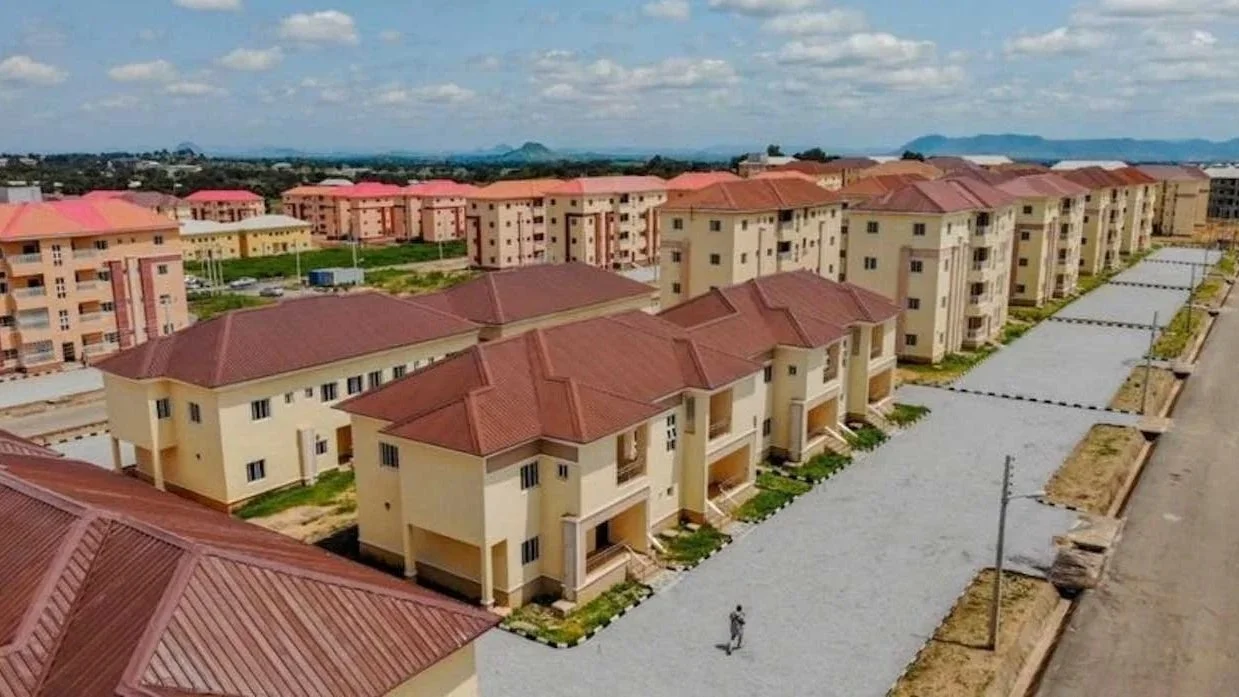

Cement Price Surge Intensifies Cost Pressures
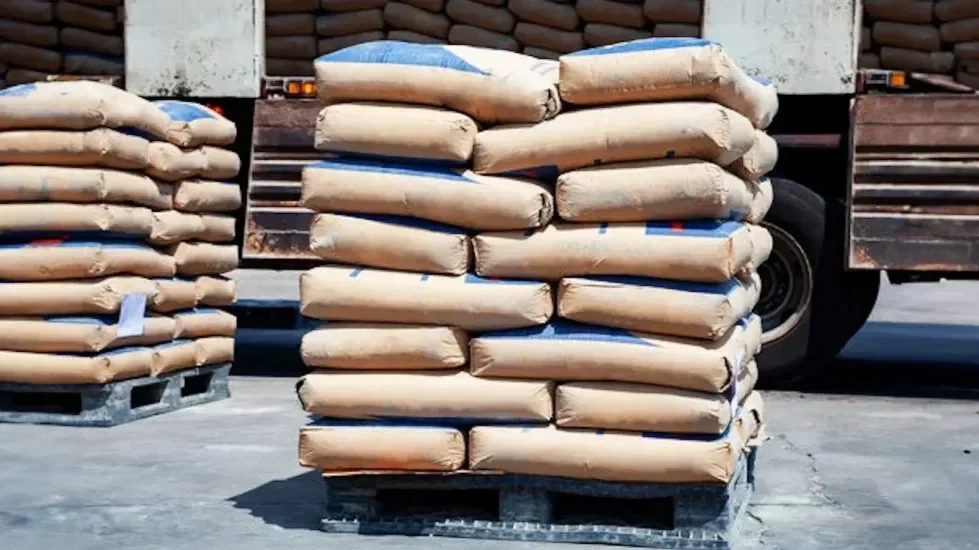
Cement prices across Nigeria have risen sharply in recent months, with a 50kg bag now selling between ₦11,500 and ₦15,000 in many locations, up from about ₦7,500 in late 2025.
This represents an increase of over 30 percent within a short period, making cement one of the most inflation-sensitive inputs in the construction sector.
The price escalation reflects a combination of factors, including rising energy costs, supply chain constraints, and structural issues within the cement industry.
Direct Impact on Housing Development
Cement accounts for a substantial share of building costs, meaning any price increase has an immediate effect on project viability. Developers report that rising input costs are forcing them to delay, scale down, or abandon housing projects altogether.
Industry groups, including the Real Estate Developers Association of Nigeria (REDAN), have warned that continued price increases could significantly slow housing delivery nationwide.
The impact is particularly severe for projects targeting low- and middle-income earners, where pricing flexibility is limited and affordability thresholds are already stretched.
Housing Affordability Deteriorates
The increase in construction costs is translating directly into higher property prices and rental rates. In major urban centres such as Lagos and Abuja, rents for basic residential units have in some cases doubled, rising from around ₦400,000 annually to as much as ₦1.5 million.
This trend is consistent with broader housing market dynamics, where rising costs of supply push prices beyond the reach of average households. As housing becomes less affordable, more individuals are forced into rental markets already under pressure, further exacerbating the crisis.
Broader Construction Sector Implications
The cement price surge is not occurring in isolation. Other building materials—including steel and sand—have also recorded significant increases, compounding cost pressures across the construction value chain.
As a result, the construction sector faces reduced activity, with fewer projects initiated and ongoing developments progressing more slowly. This has implications for employment, investment, and overall economic growth, given the sector’s role as a major contributor to GDP.
There are also emerging concerns about construction quality. Developers operating under cost pressure may resort to lower-grade materials or cost-cutting measures, potentially increasing long-term safety risks.
Structural and Policy Challenges
Analysts attribute part of the cement price crisis to structural issues within the industry, including limited competition and market concentration. In addition, high energy costs—driven by fuel price volatility—continue to raise production and distribution expenses.
Policy factors also play a role. Protectionist measures designed to promote local production have, in some cases, reduced competitive pressures, contributing to price rigidity despite broader economic shifts.
Stakeholders are calling for targeted government intervention, including improved regulatory oversight, support for new market entrants, and measures to stabilise supply chains.
Outlook for Affordable Housing
The continued rise in cement prices presents a significant challenge to Nigeria’s housing policy objectives. With millions of housing units still needed, escalating construction costs risk widening the supply gap rather than closing it.
Experts recommend a combination of policy reforms and industry innovation, including the adoption of alternative building materials and construction technologies to reduce reliance on cement.
The surge in cement prices has become a critical constraint on Nigeria’s housing sector, directly affecting affordability, supply, and project viability. Without coordinated action to address structural inefficiencies and stabilise input costs, the country’s housing deficit is likely to deepen, limiting access to affordable homes and slowing broader urban development.
READ MORE