Report Says Currency Devaluation Inflated Nigeria’s Debt Stock Under Tinubu
A new report has challenged the widespread claim that President Bola Tinubu is Nigeria’s biggest borrower, arguing that a significant portion of the increase in the country’s debt profile since 2023 reflects exchange rate adjustments rather than fresh borrowing. According to the report by Think Business Africa, available debt data does not support assertions that the current administration has borrowed more than all previous democratic governments combined.
/ You Might Also Like /




The report comes amid growing public debate over Nigeria’s rising debt stock, which has expanded sharply since Tinubu assumed office in May 2023. Critics have pointed to the rapid increase in the naira value of public debt as evidence of excessive borrowing. However, the report argues that debt figures expressed solely in naira can create a misleading picture because a large portion of Nigeria’s obligations are denominated in foreign currencies.
External Debt Growth Remains Below Buhari-Era Levels
According to the analysis, Nigeria’s external debt stood at approximately $42.5 billion when Tinubu took office in May 2023. By December 2025, the figure had risen to about $51.9 billion, representing a net increase of roughly $9.4 billion.
The report contrasts this with the administration of former President Muhammadu Buhari, during which external debt increased from about $10.3 billion in 2015 to approximately $42.9 billion by 2023, a net rise of around $32.6 billion. Based on these figures, Think Business Africa concluded that the scale of external borrowing under Tinubu remains significantly lower than that recorded during the Buhari administration.
The report also noted that former President Olusegun Obasanjo remains the only democratic-era leader to have substantially reduced Nigeria’s external debt burden, cutting it by an estimated $25.9 billion between 1999 and 2007 following the country's landmark debt relief agreement with the Paris Club.
Exchange Rate Reforms Inflated Naira Debt Figures
A central argument of the report is that much of the apparent surge in Nigeria’s debt stock stems from the revaluation of existing foreign debt following exchange rate reforms introduced in 2023. After the Federal Government unified the foreign exchange market and allowed the naira to trade more freely, the currency depreciated significantly against the US dollar.
As a result, foreign debts that were previously recorded at lower exchange rates automatically appeared much larger when converted into naira. The report explained that Nigeria’s inherited external debt stock of approximately $42.5 billion, previously valued at around ₦19.6 trillion under the old exchange rate regime, increased substantially in naira terms after the currency adjustment despite no corresponding increase in the underlying dollar-denominated obligation.
According to the analysis, this accounting effect has contributed significantly to the perception that debt accumulation has accelerated under the current administration.
Domestic Debt Dynamics Paint a Different Picture
The report further stated that domestic debt measured in dollar terms declined by approximately $6.5 billion between the first quarter of 2023 and the end of 2025. It added that total public debt increased by only about $2.7 billion during the same period when exchange rate effects are taken into account.
This perspective differs from analyses that focus solely on naira-denominated debt figures, which have risen sharply due to the currency's depreciation. The report argues that a comprehensive assessment of Nigeria’s debt profile should distinguish between genuine new borrowing and valuation changes caused by exchange rate movements.
Debt Concerns Persist Despite Alternative Interpretation
While the report disputes claims that Tinubu is Nigeria’s largest borrower, concerns over the country’s debt burden remain significant. Data from the Debt Management Office show that Nigeria’s public debt has continued to rise, while debt servicing obligations consume a substantial share of government revenue.
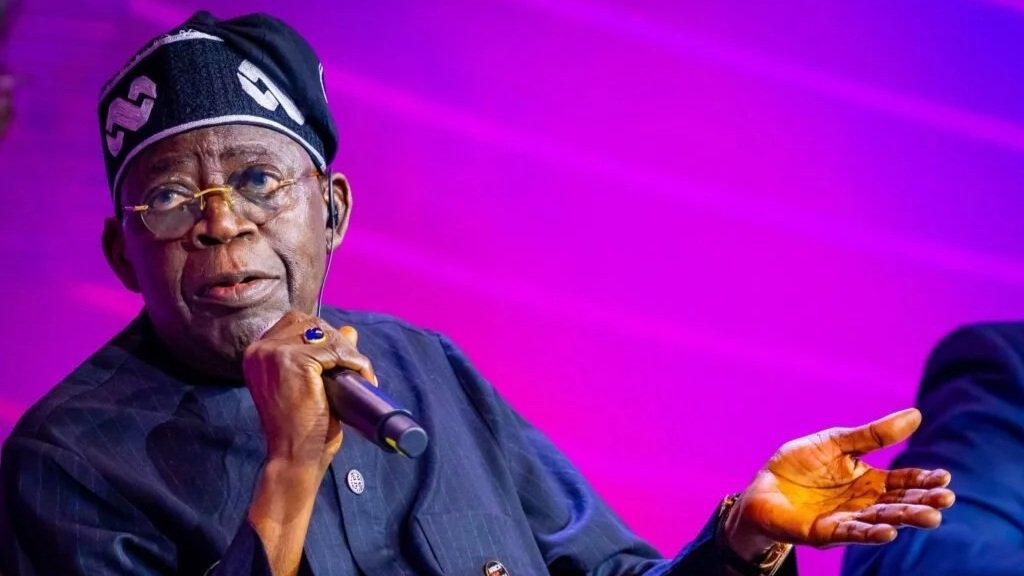
Speaking at the Africa Forward Summit earlier this year, President Tinubu disclosed that Nigeria is projected to spend about $11.6 billion on debt servicing in 2026, nearly half of expected government revenue. He argued that high debt-servicing costs are limiting investments in critical sectors such as infrastructure, healthcare and education.
Economic analysts continue to debate the sustainability of Nigeria’s debt trajectory. While the country's debt-to-GDP ratio remains relatively moderate compared with some emerging markets, concerns persist regarding revenue generation, fiscal deficits and the rising cost of servicing existing obligations.
Broader Debate Over Borrowing and Economic Reforms
The discussion surrounding Nigeria’s debt profile has intensified amid the Tinubu administration’s economic reforms, including fuel subsidy removal, exchange rate liberalisation and tax reforms. Supporters argue that these measures are necessary to restore fiscal stability and improve long-term growth prospects, while critics remain concerned about their impact on inflation, living costs and public debt.
The report emphasises that evaluating a government’s borrowing record requires examining debt data in both naira and foreign currency terms, particularly in economies where exchange rate movements can significantly alter the local currency value of existing obligations.
Outlook
The Think Business Africa report adds a new dimension to the debate over Nigeria’s debt profile by arguing that exchange rate revaluation, rather than unprecedented borrowing, accounts for a large share of the increase recorded since 2023. While the findings challenge claims that President Tinubu is Nigeria’s biggest borrower, they do not eliminate broader concerns about debt sustainability and the growing cost of servicing public obligations.
As policymakers continue efforts to strengthen revenues, stabilise the economy and attract investment, the debate over borrowing levels and fiscal management is likely to remain central to Nigeria’s economic discourse in the years ahead.
READ MORE