Tinubu Calls for More Affordable Financing to Accelerate Africa’s Infrastructure Development
Tinubu calls for affordable development finance
Nigeria has called for reforms to the international financial architecture to give developing countries greater access to affordable and long-term financing for infrastructure and sustainable development.
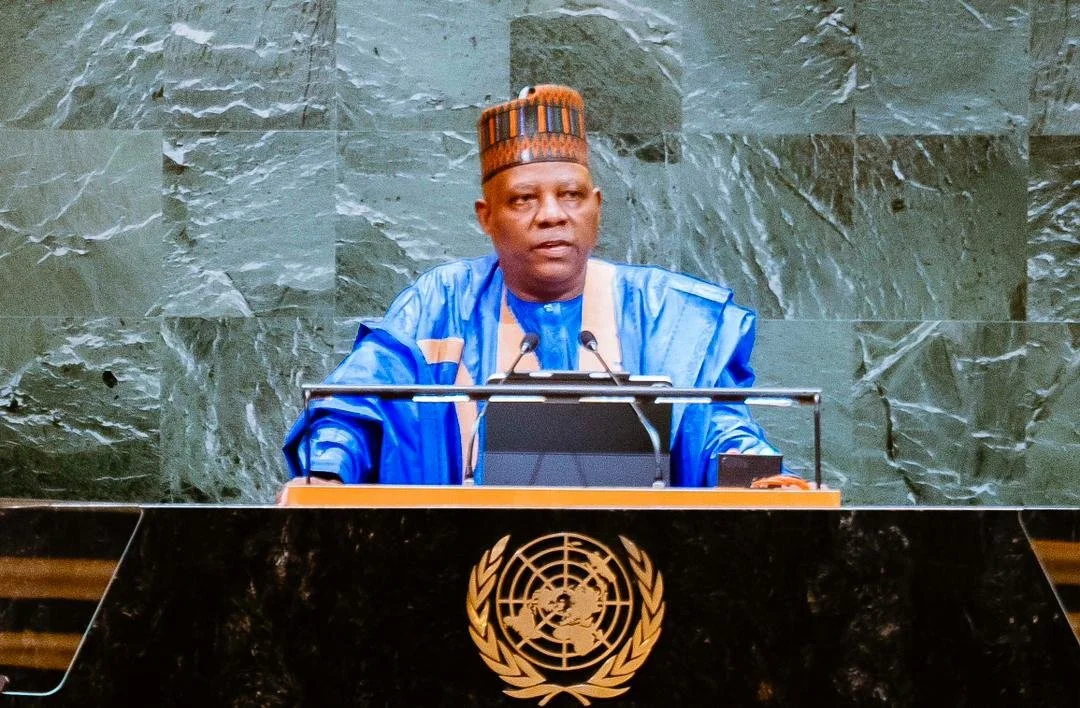
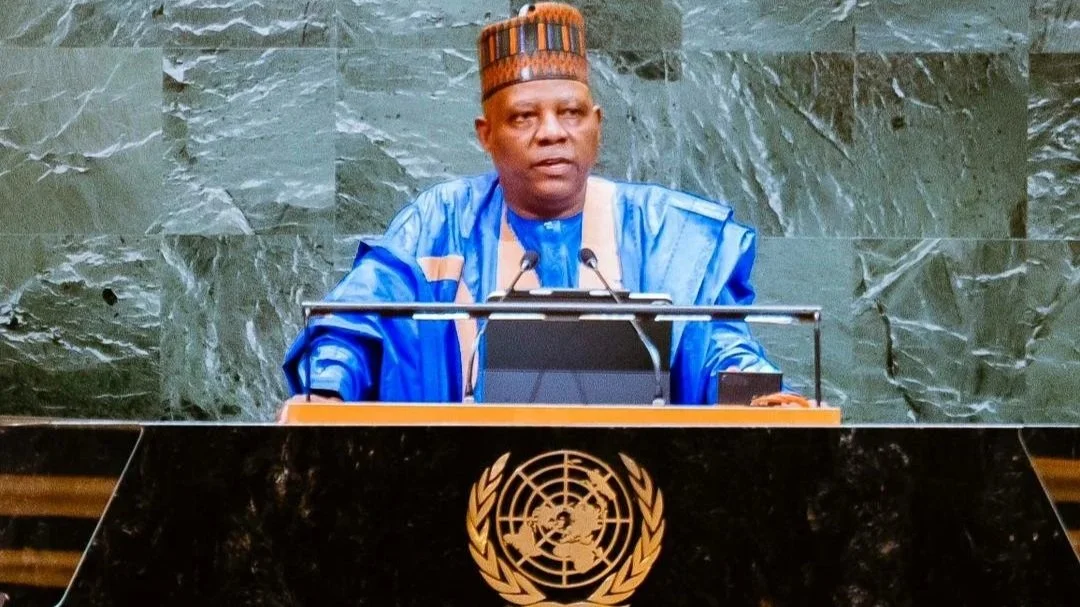
President Bola Tinubu made the call in his address to the 81st United Nations General Assembly in New York, delivered by Vice President Kashim Shettima on September 24.
/ You Might Also Like /




While the address focused prominently on reform of the United Nations Security Council and greater African representation, Tinubu also linked Africa’s development prospects to access to capital, private-sector investment, energy infrastructure, technology and industrialisation.
He said inadequate financing remains one of the major obstacles to sustainable development, particularly as developing countries face substantial debt-servicing obligations alongside the need to fund infrastructure and other essential investments.
Nigeria Pushes for Wider Access to Development Finance
Tinubu called for reforms to the international financial architecture, including wider access to concessional financing and debt sustainability frameworks that take countries’ development needs into account.
He also backed innovative financing mechanisms involving private capital, blended finance, South-South cooperation and strategic partnerships to support sustainable development, climate adaptation and resilient infrastructure.
The approach reflects the scale of capital required to address Africa’s infrastructure deficit, where governments often face competing demands on limited public resources.
For Nigeria, greater mobilisation of private and institutional capital could become increasingly important as the country seeks to expand transport networks, power infrastructure, housing-enabling infrastructure and other assets required to support urban and economic growth.
High Financing Costs Remain a Constraint
The President’s comments come as Nigerian officials have separately highlighted the cost of financing as a major constraint on infrastructure development across Africa.
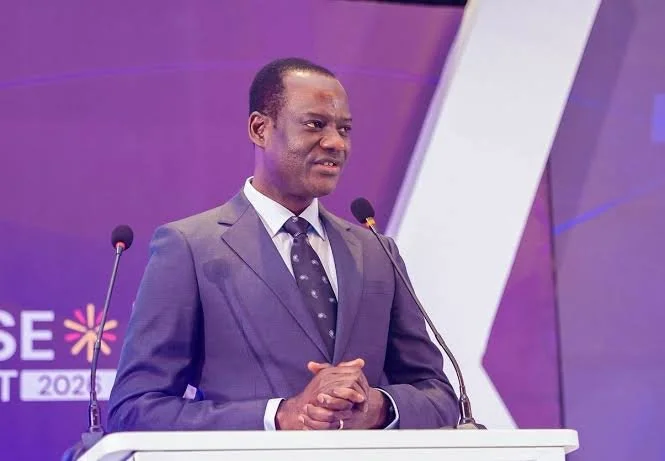
Finance and Coordinating Minister Taiwo Oyedele said on September 25 that high financing costs, currency risks and limited access to long-term capital were constraining Africa’s development ambitions. He called for affordable, long-term capital for infrastructure and energy projects.
Oyedele also argued that Africa faces additional financing costs when seeking capital for critical infrastructure and called for climate-finance arrangements that better reflect the development circumstances of developing economies.
Taken together, the interventions from the President and Finance Minister place access to long-term capital at the centre of Nigeria’s wider development financing agenda.
Infrastructure Finance Has Direct Implications for Property Development
For Nigeria’s property market, infrastructure financing is not separate from housing and real estate investment.
Transport networks, electricity, water supply, drainage, telecommunications and other public infrastructure determine the viability of new housing developments and the attractiveness of emerging urban locations.
Where infrastructure is inadequate, developers may have to absorb a greater share of the cost of providing access roads, power, water and other services. This can increase development costs and ultimately affect property prices.
Conversely, improved public infrastructure can open new areas for residential, commercial and industrial development by reducing accessibility constraints and improving the economic prospects of previously underserved locations.
The connection is particularly relevant to Nigeria’s rapidly expanding urban centres, where housing supply increasingly depends not only on the number of homes developers can construct but also on the availability of infrastructure capable of supporting new communities.
Private Capital Expected to Play a Larger Role
Tinubu’s reference to private capital and blended finance is significant because large infrastructure requirements cannot be met through government budgets alone.
Blended-finance structures can combine public or concessional funding with private investment, potentially reducing some of the risks that prevent institutional investors from participating in long-term infrastructure projects.
For property markets, similar financing structures could support infrastructure-linked housing developments, urban regeneration projects and large-scale residential schemes where the availability of roads, utilities and other supporting infrastructure is critical to project viability.
However, the effectiveness of such models will depend on the structure of projects, risk allocation, currency stability, regulatory certainty and the ability of investors to achieve commercially sustainable returns.
Energy Access Remains Central to Development
Energy formed another important part of Nigeria’s development financing argument.
Tinubu said developing countries need to expand energy access while pursuing low-carbon development pathways supported by technology transfer, capacity building and climate finance.
Nigeria’s Energy Transition Plan targets net-zero emissions by 2060 while combining renewable energy, clean cooking and natural gas as a transitional fuel, alongside climate-smart agriculture and nature-based solutions.
Oyedele has similarly argued that Africa requires substantial investment in electricity and other energy infrastructure because of the continent’s energy-access deficit. He also called for greater investment in natural gas and other transition energy sources.
Reliable energy has implications well beyond the power sector. For developers, dependable electricity can influence construction costs, operating expenses, the attractiveness of locations and the viability of commercial and residential projects.
Financing and Industrialisation Are Increasingly Connected
Tinubu also argued that Africa needs to move beyond its traditional role as an exporter of raw materials towards greater value addition, manufacturing, technological innovation and knowledge-driven growth.
He identified the African Continental Free Trade Area as an opportunity to strengthen regional value chains, expand intra-African trade and attract investment.
This industrialisation agenda could create demand for a broader range of real estate, including industrial parks, warehouses, logistics facilities, worker accommodation, offices and supporting commercial developments.
Recent government efforts to attract investment into integrated industrial and logistics infrastructure illustrate the potential connection. For example, the proposed Ogun State Blue Marine Special Economic Zone and Gateway Deep Seaport involve planned investment exceeding $7 billion and are designed to combine port, logistics, manufacturing and industrial activity.
Such developments demonstrate why infrastructure finance increasingly matters to property markets: major infrastructure can form the backbone around which entire commercial and residential clusters develop.
Implications for Nigeria’s Housing Market
The financing challenge is particularly important for housing because Nigeria’s housing shortage exists alongside high construction costs, limited mortgage access and weak purchasing power.
Affordable long-term capital could support infrastructure required to unlock new housing locations while also improving the financing environment for developers and homebuyers.
However, cheaper capital alone would not resolve Nigeria’s housing constraints. Land administration, construction costs, infrastructure deficits, mortgage availability, planning systems and household incomes also determine whether additional housing becomes financially accessible to households.
For developers, the availability of infrastructure financing may therefore be as important as access to construction finance. A housing project in an area without reliable transport, electricity, water and other services can face significantly different commercial conditions from one integrated into an established infrastructure network.
Africa’s Infrastructure Financing Challenge
Tinubu’s intervention highlights a broader challenge facing African economies: the need to finance infrastructure at a scale that exceeds the capacity of many public budgets.
Nigeria’s call for concessional finance, private capital and blended-finance structures represents one approach to widening the pool of available funding.
The challenge will be converting these financing mechanisms into bankable projects with transparent structures, appropriate risk allocation and sufficient investor confidence to attract long-term capital.
For Nigeria’s housing and real estate sector, the outcome could influence how quickly new urban areas develop, how infrastructure costs are distributed between governments and developers, and how viable large-scale housing and mixed-use projects become.
Outlook
Nigeria’s call for changes to the global financing architecture places infrastructure funding alongside energy, industrialisation and private-sector investment as central components of Africa’s development agenda.
For the property sector, the issue extends beyond access to mortgages or construction loans. The availability and cost of capital for roads, power, water, transport and industrial infrastructure can determine where development takes place and how much it ultimately costs.
As Nigeria seeks to mobilise domestic and international investment, the effectiveness of financing structures, infrastructure delivery and private-sector participation will remain important factors shaping the country’s housing and real estate markets.
READ MORE