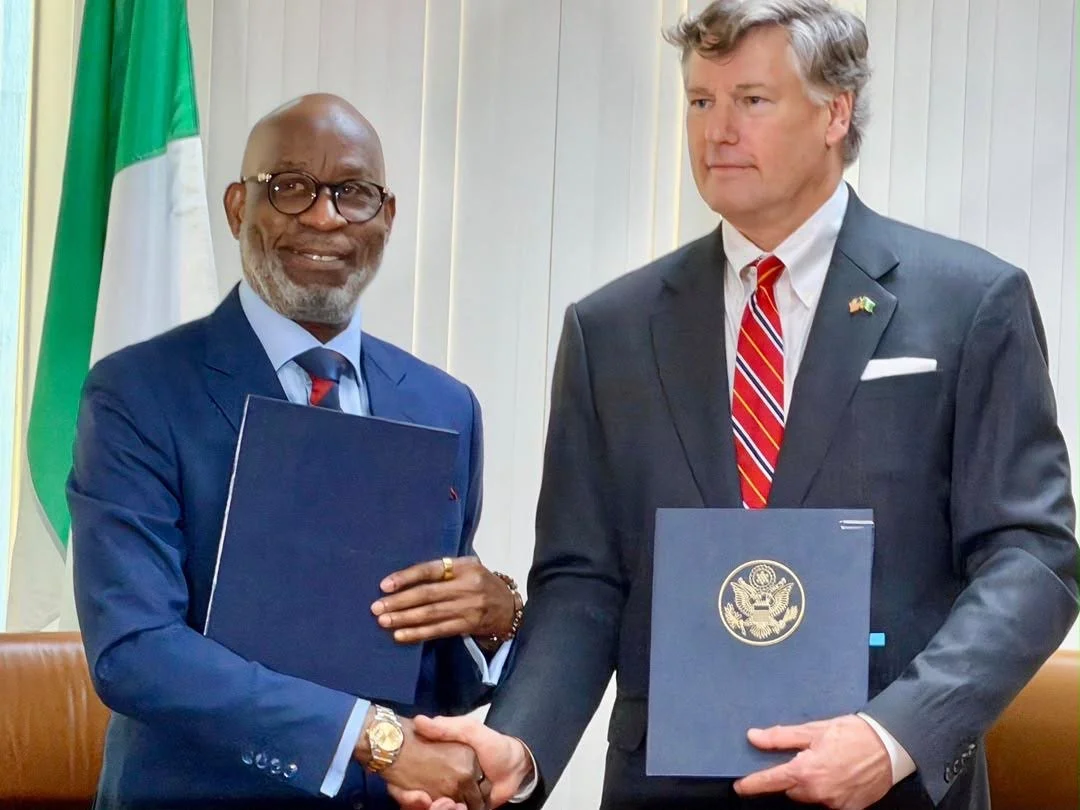
Africa’s High Cost of Capital Threatens Infrastructure Investment, Oyedele Says
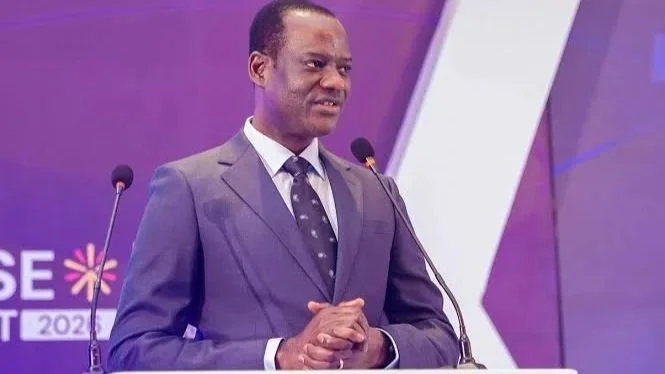
Oyedele calls for affordable infrastructure capital
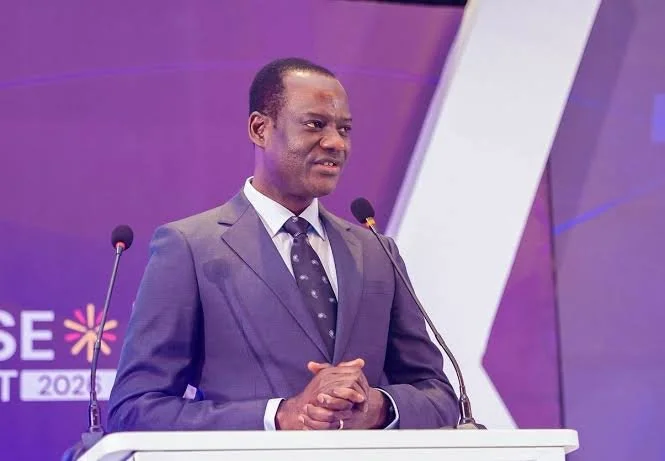
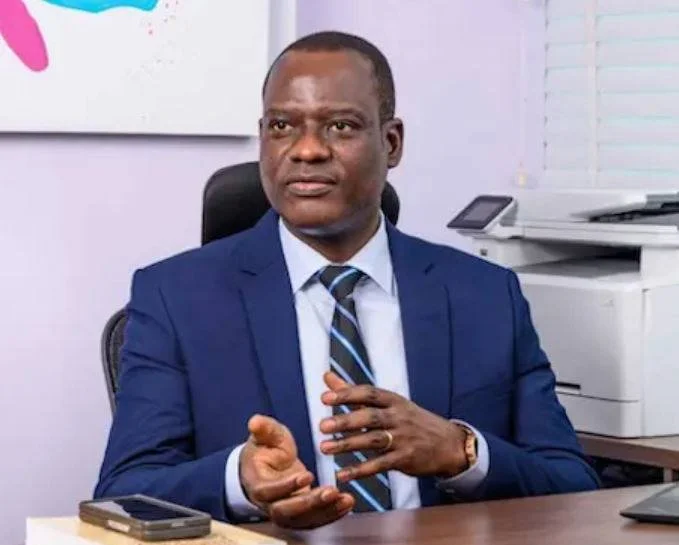
Africa’s infrastructure development is being constrained not only by a shortage of capital but also by the high cost of obtaining it, Nigeria’s Finance and Coordinating Minister for the Economy, Taiwo Oyedele, has said.
Oyedele called for greater access to affordable, long-term capital for infrastructure and energy projects across the continent, arguing that high financing costs, currency risks and limited long-term funding are restricting Africa’s ability to meet its development needs.
/ You Might Also Like /




He made the remarks at a United Nations Dialogue on Solutions to Climate Finance on the margins of the 81st United Nations General Assembly in New York.
High Financing Costs Constrain Infrastructure Development
Oyedele said Africa faces significant financing constraints when mobilising capital for critical infrastructure.
He identified high borrowing costs, currency risks and what he described as a “prejudice premium” and “narrative cost” as additional factors affecting the price and availability of capital for African infrastructure projects.
The minister argued that financing arrangements need to better reflect the development circumstances of developing economies rather than impose conditions that make infrastructure investment more expensive.
For infrastructure projects with long construction periods and extended repayment horizons, the cost of capital can significantly influence whether a project is commercially viable.
Long-Term Capital Remains Critical for Infrastructure
Infrastructure assets typically require substantial upfront investment and generate returns over extended periods.
Transport networks, power systems, water infrastructure and other development assets therefore require financing structures that can accommodate long project lifecycles.
Oyedele called for more affordable and accessible long-term capital to enable African countries to expand infrastructure and energy investment.
For Nigeria, the issue extends across both public infrastructure and private-sector development, where financing costs influence project viability, investment decisions and the eventual cost of delivered assets.
Energy Investment Is a Major Financing Challenge
The minister placed particular emphasis on Africa’s energy sector, where significant investment is required to address the continent’s electricity-access deficit.
He also advocated increased investment in natural gas and other transition energy sources, arguing that reliable and affordable energy is necessary to support economic development and reduce energy poverty.
The availability of reliable power has implications beyond the energy sector. Property developments, industrial facilities, data centres, commercial buildings and manufacturing projects all depend on dependable electricity.
Consequently, greater investment in energy infrastructure can influence the operating environment for real estate and other capital-intensive sectors.
Infrastructure Finance Has Direct Property-Market Implications
The cost and availability of infrastructure finance can affect property development in several ways.
Transport infrastructure can open new development corridors, while power and water infrastructure can make previously underserved locations more viable for residential, commercial and industrial development.
Nigeria's property market already illustrates the relationship between infrastructure and real estate values. Research previously reported by NHM found that improved transport connectivity around Lagos' rail infrastructure has been associated with stronger rental yields and potential property-value premiums.
This makes the availability of long-term infrastructure capital relevant to property investors and developers, not only governments and infrastructure companies.
High Capital Costs Can Increase Development Costs
When infrastructure projects face expensive financing, the cost can ultimately feed into the economics of the developments that depend on them.
Developers may face higher costs for land in well-connected locations, while projects in areas without adequate infrastructure may require additional expenditure on roads, power, water and other services.
For large-scale housing schemes, the cost of providing supporting infrastructure can represent a significant component of total development expenditure.
Lower-cost long-term financing could therefore improve the viability of some infrastructure-dependent housing and commercial projects, although the impact would vary by project structure and funding model.
Africa Needs Financing That Matches Project Lifecycles
One of the broader issues raised by Oyedele is the mismatch between the long-term nature of infrastructure assets and the availability of suitable financing.
Infrastructure projects often require capital that can remain invested for many years before generating sufficient returns.
Shorter-term or expensive financing can place pressure on project cash flows and increase the overall cost of development.
Greater access to patient capital could therefore support projects that may be difficult to finance through conventional short-term lending.
Housing Investment Also Depends on Infrastructure
The infrastructure-financing debate is particularly relevant to Nigeria's housing market because housing supply cannot expand sustainably without supporting infrastructure.
Roads, drainage, electricity, water supply and public transport all affect the viability and affordability of residential development.
NHM's recent reporting on Lagos housing highlighted the scale of the financing challenge facing the market. GTI Investment Group estimated that Lagos requires about ₦6 trillion in fresh capital annually to keep pace with its housing needs.
That figure illustrates why government revenue alone cannot meet the capital requirements of large-scale urban development.
Private and Institutional Capital Will Remain Important
Affordable public financing can support infrastructure development, but Africa's investment requirements extend beyond the capacity of government budgets.
Private investors, pension funds, development-finance institutions, infrastructure funds and other institutional investors can provide additional sources of long-term capital.
For Nigeria's real estate sector, deeper infrastructure investment could also create opportunities for developers and investors as improved connectivity and utilities unlock new locations.
The challenge is creating financing structures that provide investors with acceptable risk-adjusted returns while keeping infrastructure costs manageable for users and businesses.
Cost of Capital Is Becoming a Property-Market Issue
The discussion also comes at a time when Nigeria's property industry is already dealing with high borrowing costs.
NHM recently reported concerns that commercial lending rates could remain around 30% despite the CBN's reduction of the Monetary Policy Rate to 23%. Such borrowing costs can affect both developers seeking construction finance and households seeking mortgage finance.
The infrastructure-financing challenge therefore intersects with the wider cost-of-capital problem across Nigeria's property market.
Lower infrastructure-financing costs would not automatically make housing affordable, but they could improve the economics of projects where infrastructure expenditure represents a significant part of development costs.
Outlook
Oyedele's intervention places the cost of capital at the centre of Africa's infrastructure challenge.
For Nigeria, expanding access to affordable long-term funding could have implications across transport, energy, housing, industrial development and commercial real estate.
However, cheaper capital alone will not resolve infrastructure deficits. The effectiveness of new funding will also depend on project preparation, regulatory certainty, currency-risk management, transparent procurement and the ability of projects to generate sustainable returns.
For the property sector, the significance is straightforward: housing and real estate development depend not only on access to land and construction finance, but also on the availability of infrastructure that makes locations viable.
As African countries seek to close their infrastructure gaps, the cost and structure of the capital available to finance those assets will remain an important factor shaping future urban and property development.
READ MORE