Short-Let Apartment Boom Deepens Housing Affordability Crisis in Nigeria's Major Cities
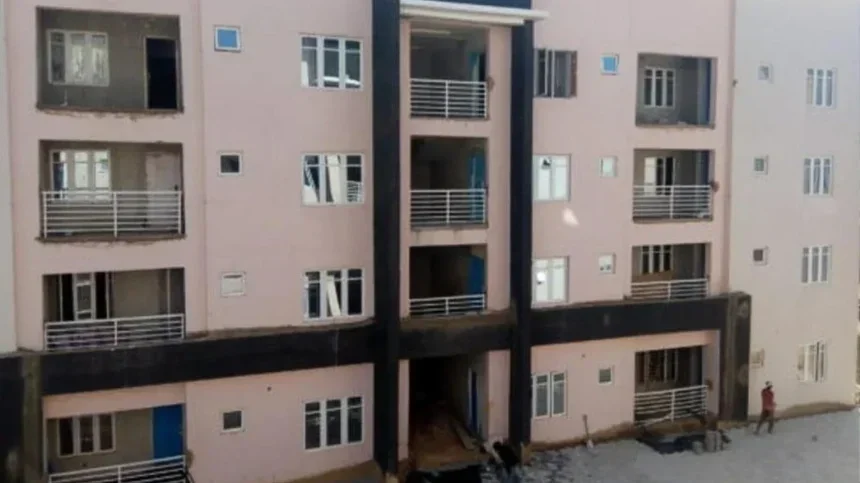
Short-Let Growth Intensifies Pressure on Long-Term Rental Housing
The rapid expansion of short-let apartments across Nigeria's major cities is intensifying pressure on the country's already strained housing market, with industry stakeholders warning that the conversion of residential properties into short-term accommodation is reducing the supply of long-term rental housing and contributing to rising rents. The trend has become increasingly visible in Lagos, Abuja, Port Harcourt and Ibadan, where growing demand for short-stay accommodation is reshaping residential property investment and urban housing patterns
/ You Might Also Like /




Real estate analysts say many landlords are opting to convert conventional rental properties into short-let apartments because they offer significantly higher returns than annual leases. While this shift has created new investment opportunities within the hospitality and property sectors, it has also reduced the stock of homes available for long-term tenants, placing additional pressure on affordability in cities already experiencing housing shortages.
Higher Returns Drive Shift to Short-Let Investments
The popularity of short-let apartments has grown rapidly in response to increasing demand from business travellers, tourists, expatriates and professionals seeking flexible accommodation. Property owners have responded by repositioning residential apartments as serviced units capable of generating substantially higher daily income than traditional yearly rentals.
According to market data, nightly rates vary significantly depending on location and amenities. In Lagos, mid-range studio apartments can command around ₦40,000 per night, while larger apartments attract between ₦50,000 and ₦160,000 daily. In Abuja, premium one-bedroom serviced apartments may earn up to ₦180,000 per night, while larger units can generate as much as ₦300,000 daily. Similar growth has been recorded in Port Harcourt and Ibadan as investors expand into emerging urban markets.
Pressure Mounts on Long-Term Rental Market
While the financial returns have attracted investors, housing experts caution that the rapid conversion of residential housing into short-let accommodation is shrinking the supply of homes available for permanent residents. As more landlords prioritise short-term income, tenants seeking annual rentals are facing fewer housing options and rising costs.
The reduction in available rental stock comes at a time when Nigeria continues to experience a significant housing deficit, particularly in major urban centres where population growth continues to outpace housing delivery. Analysts warn that unless housing supply expands substantially, the continued growth of the short-let market could further worsen affordability challenges for middle- and lower-income households.
Urban Planning and Regulatory Considerations
The growth of the short-let sector has also raised broader questions about urban planning and land-use management. In many cities globally, governments have introduced regulations to balance the economic benefits of short-term rentals with the need to preserve housing for permanent residents. Similar discussions are beginning to emerge in Nigeria as policymakers consider how to support tourism and investment without undermining long-term housing availability.
Industry stakeholders suggest that clearer planning guidelines, licensing frameworks and improved data collection could help authorities better understand the impact of short-let developments on local housing markets. They also argue that increasing overall housing supply through accelerated residential construction remains the most sustainable long-term solution.
Implications for Developers and Investors
For property developers, the growing demand for short-let accommodation presents opportunities to diversify investment portfolios and develop purpose-built serviced apartments that cater to business and leisure travellers. However, market analysts note that excessive conversion of existing residential stock into short-term accommodation could create long-term imbalances within the housing market.
Investors are therefore encouraged to consider developments that expand housing supply rather than simply repurposing existing residential units. Delivering more mixed-use developments, build-to-rent projects and affordable housing schemes could help balance commercial opportunities with broader housing needs.
Conclusion
The continued expansion of short-let apartments reflects changing investment strategies and evolving accommodation preferences across Nigeria's major cities. While the sector offers attractive returns for property owners and contributes to the hospitality economy, its rapid growth is also reducing long-term rental supply and placing additional pressure on housing affordability. As urban populations continue to expand, policymakers, developers and investors will need to strike a balance between supporting a thriving short-let market and ensuring adequate housing remains available for permanent residents.
READ MORE