Court Restrains Shoprite Directors from Selling Assets Over ₦1.76bn Judgment Debt
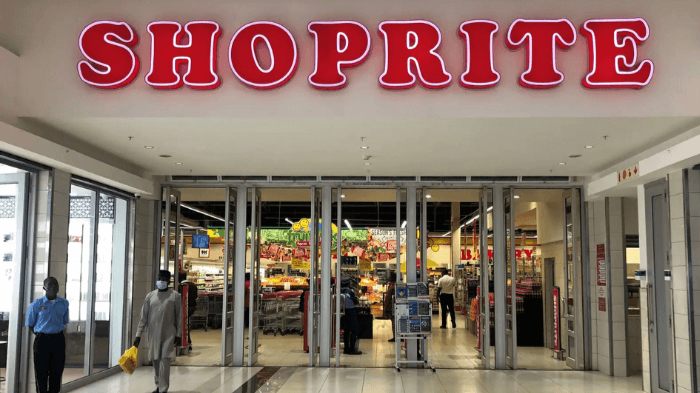
Shoprite Faces Asset Freeze as Court Enforces Judgment Debt Recovery
A Federal High Court in Ikoyi, Lagos, has restrained the directors of Retail Supermarkets Nigeria Limited (Shoprite) from selling or transferring the company’s shares and assets pending the settlement of a court-ordered judgment debt. The ruling, delivered by Justice Ambrose Lewis-Allagoa, also mandates full disclosure of the company’s assets as part of ongoing enforcement proceedings.
/ You Might Also Like /




Court Orders Asset Freeze and Disclosure
The court issued the restraining order following an ex parte application filed on November 21, 2025, in furtherance of a consent judgment entered on July 22, 2025. The order prohibits the disposal of both movable and immovable assets until the outstanding debt is fully satisfied.
In addition, the court directed the company’s directors to disclose all assets to the judgment creditor. These include physical assets such as the distribution centre in Ajao, Lagos, as well as intangible assets like trademarks.
Garnishee Proceedings and Financial Recovery
The judgment creditor’s counsel, Tobenna Nnamani, also sought and obtained garnishee orders nisi to attach funds belonging to the company across multiple financial institutions. This legal mechanism enables creditors to recover debts directly from bank accounts linked to the debtor.
The court’s decision reflects a structured escalation in enforcement, combining asset restriction with financial account attachment to ensure compliance with the judgment.
Background: Disputed Settlement and Default
The case stems from a ₦1.76bn judgment debt arising from Shoprite’s alleged failure to comply with a court-approved settlement agreement involving multiple claimants. Under the terms of the agreement, the company was required to settle the obligation through structured instalments.
However, failure to meet the agreed payment schedule triggered a default clause, making the full outstanding balance immediately due and subject to interest penalties.
Legal and Corporate Implications
The ruling underscores the Nigerian judiciary’s increasing willingness to enforce creditor rights through stringent measures, including asset freezes and financial disclosures. For corporate entities, the case highlights the risks associated with non-compliance with settlement agreements and court judgments.
From a governance perspective, the directive requiring directors to disclose assets signals heightened accountability at the executive level. It also reinforces the importance of transparent financial management and adherence to legal obligations in corporate operations.
Next Steps in Proceedings
The matter has been adjourned to May 7, 2026, for continuation of proceedings, where the court is expected to review compliance with its orders and determine further enforcement actions if necessary.
The court’s intervention in the Shoprite case marks a significant development in debt enforcement within Nigeria’s corporate landscape. By restricting asset sales and mandating disclosure, the judiciary has reinforced legal protections for creditors while signalling stricter compliance expectations for large corporate entities.
For investors and policymakers, the case illustrates the evolving dynamics of corporate accountability and the growing role of the courts in enforcing financial obligations in Nigeria’s business environment.
READ MORE