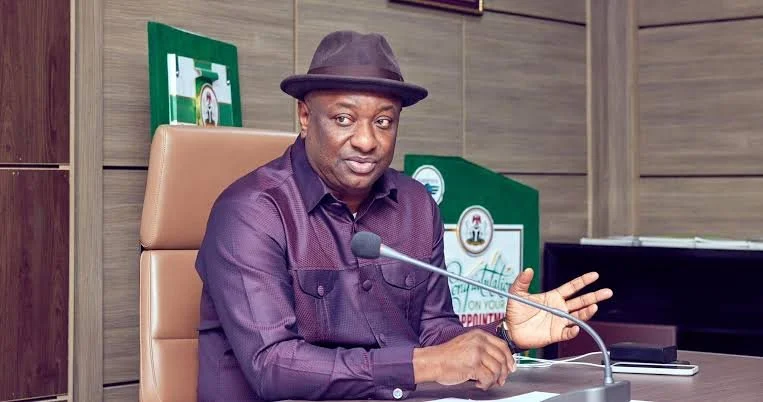
Shettima Highlights Investment Opportunities at Jigawa Summit in Dutse
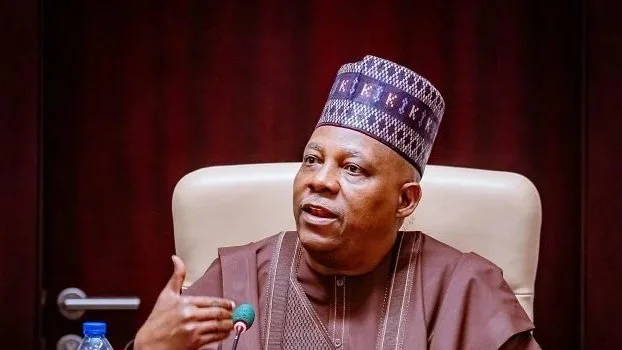
Shettima Says Investment Is Key to Nigeria’s Economic Transformation
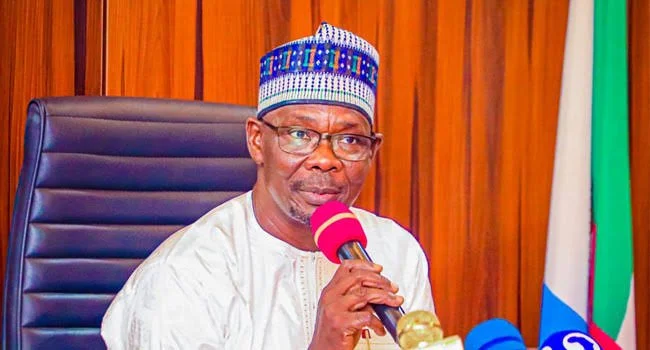
Vice President Kashim Shettima has reaffirmed the Federal Government’s commitment to creating an enabling environment for investment, urging local and international investors to take advantage of emerging opportunities in Jigawa State. Speaking at the Jigawa Investment Summit held in Dutse, the state capital, Shettima said strategic partnerships between government and the private sector remain critical to accelerating economic growth, industrialisation and infrastructure development across Nigeria.
/ You Might Also Like /
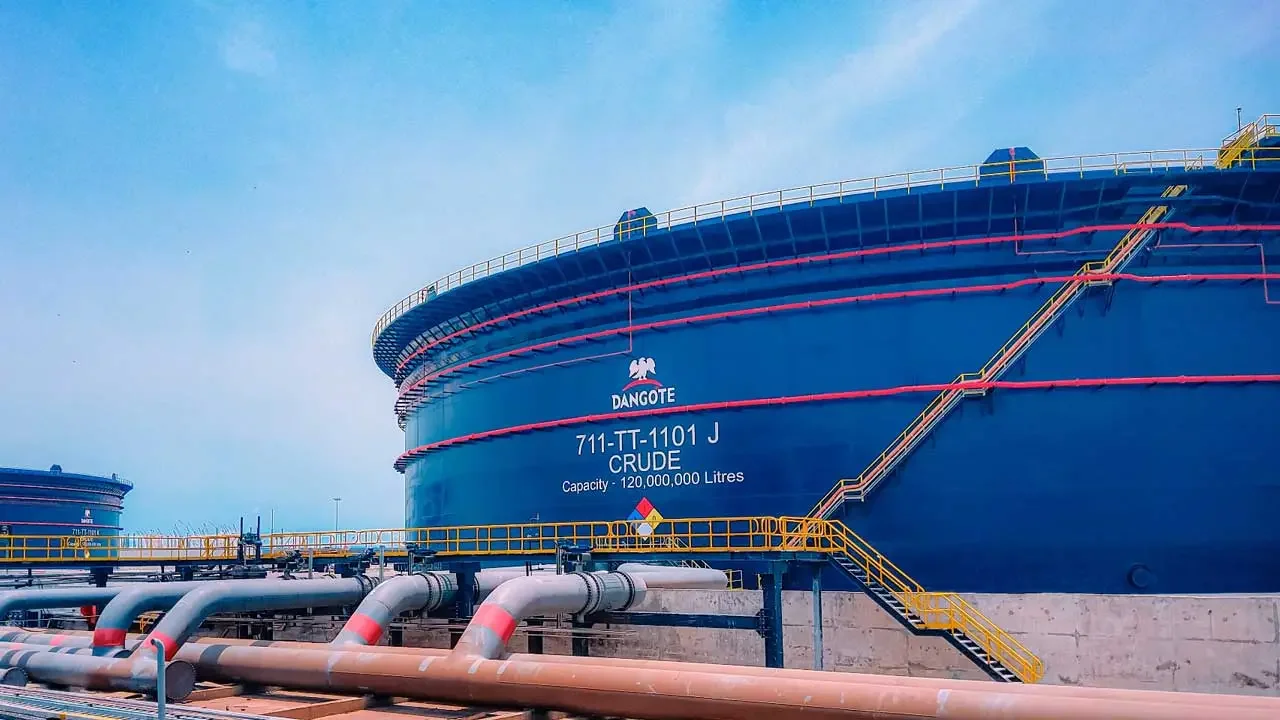


The summit brought together government officials, business leaders, development partners and investors to explore opportunities across key sectors of the Jigawa economy, including agriculture, manufacturing, infrastructure, mining and renewable energy. The event forms part of broader efforts by state governments to attract investment, diversify economic activity and create sustainable employment opportunities.
Federal Government Reaffirms Commitment to Investment-Led Growth
Addressing participants at the summit, Shettima emphasised that the administration of President Bola Tinubu is implementing reforms designed to improve the investment climate and strengthen Nigeria’s competitiveness.
According to the Vice President, economic growth requires strong collaboration between government institutions and the private sector. He noted that public resources alone cannot meet the country’s infrastructure and development needs, making private capital essential for driving long-term economic transformation.
Shettima said ongoing reforms are aimed at reducing barriers to investment, improving ease of doing business and creating opportunities for businesses to expand operations across different sectors of the economy.
Jigawa Positions Itself as an Investment Destination
The investment summit provided Jigawa State with a platform to showcase its economic potential and attract investors to priority sectors identified by the state government.
Located in Nigeria’s North-West region, Jigawa possesses significant agricultural resources and has increasingly sought to position itself as a destination for agribusiness, manufacturing and industrial investments. State officials highlighted opportunities in crop production, livestock development, food processing, logistics and renewable energy.
The government also presented plans aimed at improving infrastructure, expanding industrial capacity and enhancing the business environment to support both domestic and foreign investment.
For investors, the state’s strategic location, agricultural base and growing infrastructure network represent potential opportunities for long-term business development.
Infrastructure Development Remains a Key Priority
Infrastructure emerged as a central theme during discussions at the summit, reflecting its importance in supporting economic growth and investment attraction.
Across Nigeria, inadequate infrastructure remains one of the most significant constraints on industrial development and business expansion. Reliable transportation networks, power supply, water systems and digital infrastructure are widely regarded as critical components of a competitive investment environment.
The Federal Government has repeatedly emphasised infrastructure investment as a cornerstone of its economic agenda, with ongoing projects targeting improvements in road networks, energy systems and logistics corridors.
Stakeholders at the summit noted that stronger infrastructure can reduce business costs, improve productivity and increase the attractiveness of states seeking to attract new investments.
Agriculture Continues to Drive Economic Potential
Agriculture remains one of Jigawa State’s strongest economic assets and a major area of interest for investors.
The state is a leading producer of several agricultural commodities and has significant potential for value-added processing and agribusiness development. Industry experts have consistently argued that expanding agricultural value chains can generate employment, increase exports and strengthen food security.
Participants at the summit explored opportunities to improve agricultural productivity through technology adoption, mechanisation, irrigation expansion and investment in processing facilities.
The development of agro-industrial clusters and supporting infrastructure was also highlighted as a pathway for increasing the contribution of agriculture to economic growth.
Private Sector Seen as Critical to Economic Transformation
A recurring message throughout the summit was the importance of private sector participation in achieving sustainable development goals.
Business leaders and policymakers stressed that attracting investment requires consistent policy implementation, transparent governance and efficient regulatory systems. They also highlighted the need for continued collaboration between federal and state governments to create conditions that encourage business growth.
Private investment is increasingly viewed as essential for bridging infrastructure gaps, creating jobs and supporting industrial development, particularly as governments face competing fiscal demands.
The summit therefore served not only as an investment promotion platform but also as an opportunity to strengthen relationships between policymakers and potential investors.
Investment Promotion and Regional Development
State-level investment summits have become an important tool for attracting capital and showcasing economic opportunities across Nigeria.
By engaging directly with investors and development partners, state governments seek to secure funding for infrastructure projects, industrial development initiatives and other strategic investments capable of accelerating economic growth.
For states such as Jigawa, investment promotion efforts are closely linked to broader goals of economic diversification, poverty reduction and employment generation. Successful investment attraction can also support urban development, improve public services and strengthen regional competitiveness.
Implications for Housing and Infrastructure Development
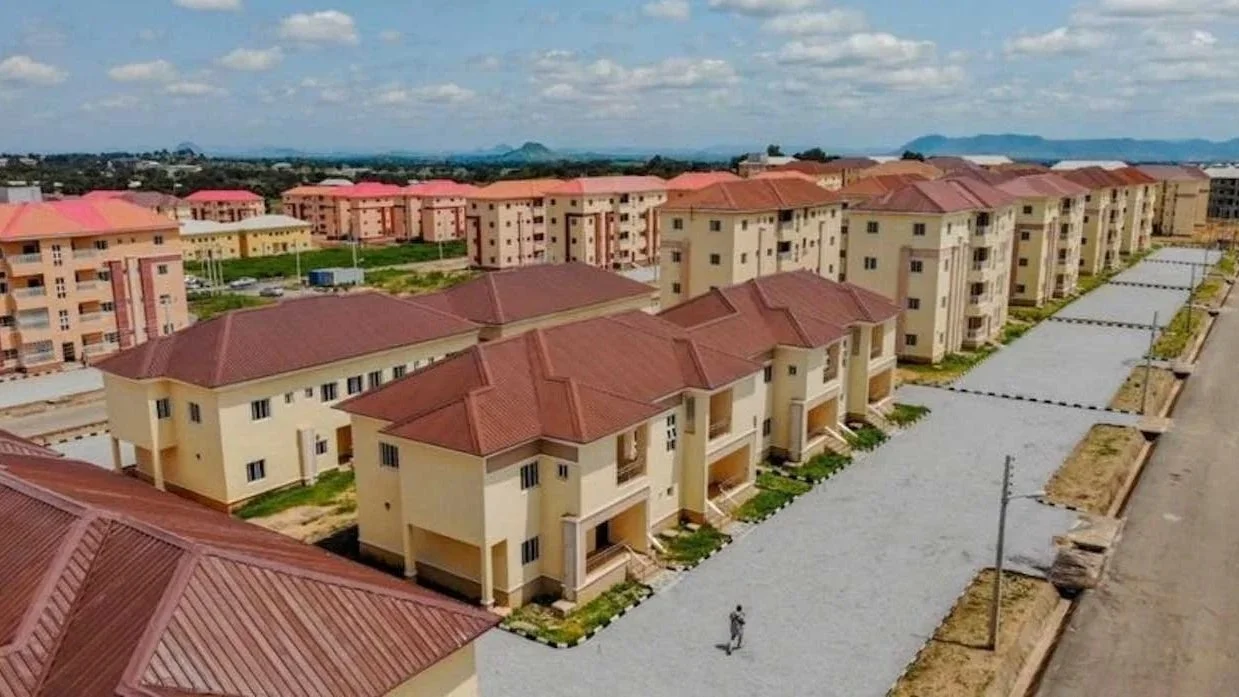
Although the summit focused broadly on economic investment, increased private sector participation has important implications for housing and infrastructure development.
Investment-driven growth often stimulates demand for residential housing, commercial real estate, industrial facilities and supporting infrastructure. As economic activities expand, governments typically face increased pressure to improve transportation systems, utilities and urban planning frameworks.
For housing stakeholders, sustained investment flows can create opportunities for property development, construction activity and infrastructure expansion that supports long-term urban growth.
Looking Ahead
The Jigawa Investment Summit underscored the growing importance of state-led investment promotion in Nigeria’s economic development strategy. Vice President Kashim Shettima’s participation highlighted the Federal Government’s support for initiatives designed to attract private capital and unlock regional economic potential.
As states compete for investment and pursue economic diversification, the success of such efforts will depend on effective policy implementation, infrastructure development and continued collaboration between government and the private sector. For investors, the summit offered insights into emerging opportunities in agriculture, industry and infrastructure, while reinforcing Jigawa State’s ambition to become a stronger destination for business and economic growth.
READ MORE