Oil Shock Raises Fresh Risks for Nigeria as South Africa’s Petrol Hits Record High
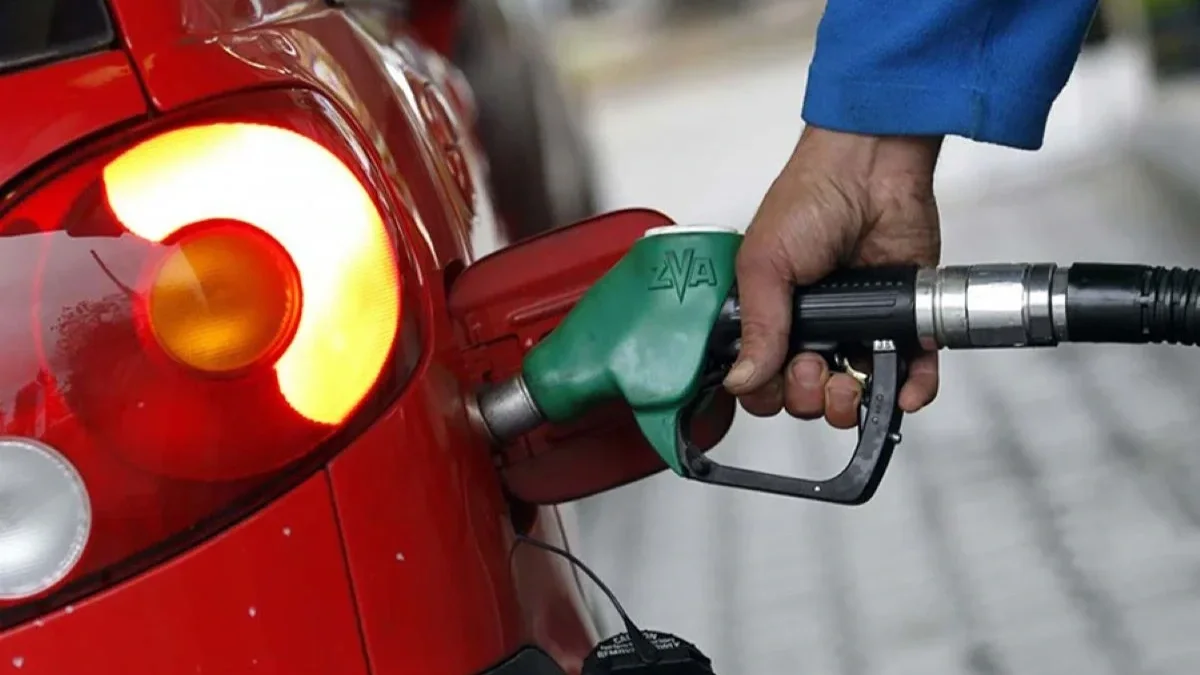
South Africa’s record petrol price is highlighting wider economic risks facing African economies as a renewed global oil shock pushes up energy and transportation costs.
The price of 95-octane petrol in Gauteng is set to rise by R3.33 to R30.25 ($1.82) per litre from October 7, the highest level on record. Diesel prices will also increase sharply, reflecting higher international crude prices, supply concerns and rising shipping costs.
/ You Might Also Like /




For Nigeria, the development raises fresh concerns about the potential impact of prolonged oil-price volatility on fuel, transport and operating costs, with implications for construction, housing delivery and property investment.
Global Oil Shock Drives Fuel Prices Higher
South Africa’s latest fuel-price adjustment follows a sharp increase in international crude prices. The country’s Department of Mineral and Petroleum Resources said the average Brent crude price increased from $87.89 to about $101 per barrel during the review period.
The department attributed the increase to continued US-Iran tensions, uncertainty over oil flows through the Strait of Hormuz, higher shipping costs and declining inventories.
The latest adjustment will increase 95-octane petrol by 333 cents per litre, while diesel prices will rise by as much as 324.38 cents per litre.
The impact extends beyond motorists. Higher fuel prices can increase transportation, logistics and production costs across an economy, particularly where businesses depend heavily on road transport.
Nigeria Faces a Different but Connected Risk
Nigeria has greater protection from imported refined-product prices than it had before the expansion of domestic refining capacity. However, rising international crude prices can still affect the domestic energy market through crude-linked pricing, transportation costs, foreign exchange conditions and broader inflationary pressures.
Nigerian petrol prices had already increased from about ₦1,077–₦1,205 per litre in early July to around ₦1,395–₦1,500 in September, according to figures cited by Nairametrics.
The latest oil shock therefore comes at a time when Nigerian households and businesses are already adjusting to elevated operating and transportation costs.
Construction Costs Could Come Under Further Pressure
The implications are particularly important for Nigeria’s construction and housing sectors.
Fuel is a significant input into construction logistics, powering vehicles and equipment used to move cement, steel, aggregates, blocks and other materials between manufacturers, suppliers and development sites.
A sustained increase in energy and transportation costs could therefore raise developers’ project costs and put additional pressure on already tight development margins.
For housing projects, higher logistics and operating expenses can translate into higher construction budgets, slower project delivery or increased selling prices where developers are unable to absorb the additional costs.
Housing Affordability Faces Another Headwind
The wider concern is the interaction between energy costs and household purchasing power.
When fuel prices rise, transportation expenses increase for households while businesses face higher costs for moving goods and providing services. These pressures can reduce disposable income and weaken the ability of prospective buyers and tenants to absorb higher housing costs.
This creates a difficult environment for affordable housing delivery. Developers face rising input costs at the same time that potential buyers may have less capacity to purchase homes.
The result could be a widening gap between the cost of delivering housing and what households can realistically afford.
Domestic Refining Provides Some Insulation
Nigeria’s expanding domestic refining capacity offers an important buffer against some of the risks associated with imported refined petroleum products.
Greater domestic refining can reduce exposure to international refined-product supply disruptions and associated import costs. However, it does not completely insulate the economy from global crude-price movements.
Nigeria remains an oil-producing economy, meaning international crude prices continue to influence government revenues, foreign exchange conditions and broader economic activity.
The effect of a prolonged oil shock will therefore depend partly on how higher oil revenues interact with domestic fuel pricing, inflation, exchange-rate conditions and production costs.
Implications for Property Investment and Development
For the property market, sustained energy-price pressure could reinforce the need for developers to improve project cost management and incorporate greater sensitivity to fuel and logistics costs when assessing new developments.
Projects located far from major material-production centres or dependent on extensive road transportation could face particularly strong cost pressures.
Investors may also place greater emphasis on developments with reliable infrastructure, efficient transport connections and lower long-term operating costs.
For policymakers, the challenge is to prevent temporary global energy shocks from translating into deeper constraints on housing supply and affordability.
Outlook
South Africa’s record petrol price demonstrates how quickly global oil-market disruptions can filter through to domestic economies.
Nigeria enters this period with stronger domestic refining capacity than in previous years, but higher crude prices can still feed into fuel, transport, construction and operating costs.
If the global oil shock persists, the housing market could face another layer of pressure as developers contend with higher project costs while households struggle with reduced purchasing power.
The development reinforces the importance of energy stability, efficient logistics and predictable construction costs in expanding housing supply and keeping new homes within reach of Nigerian households.
READ MORE