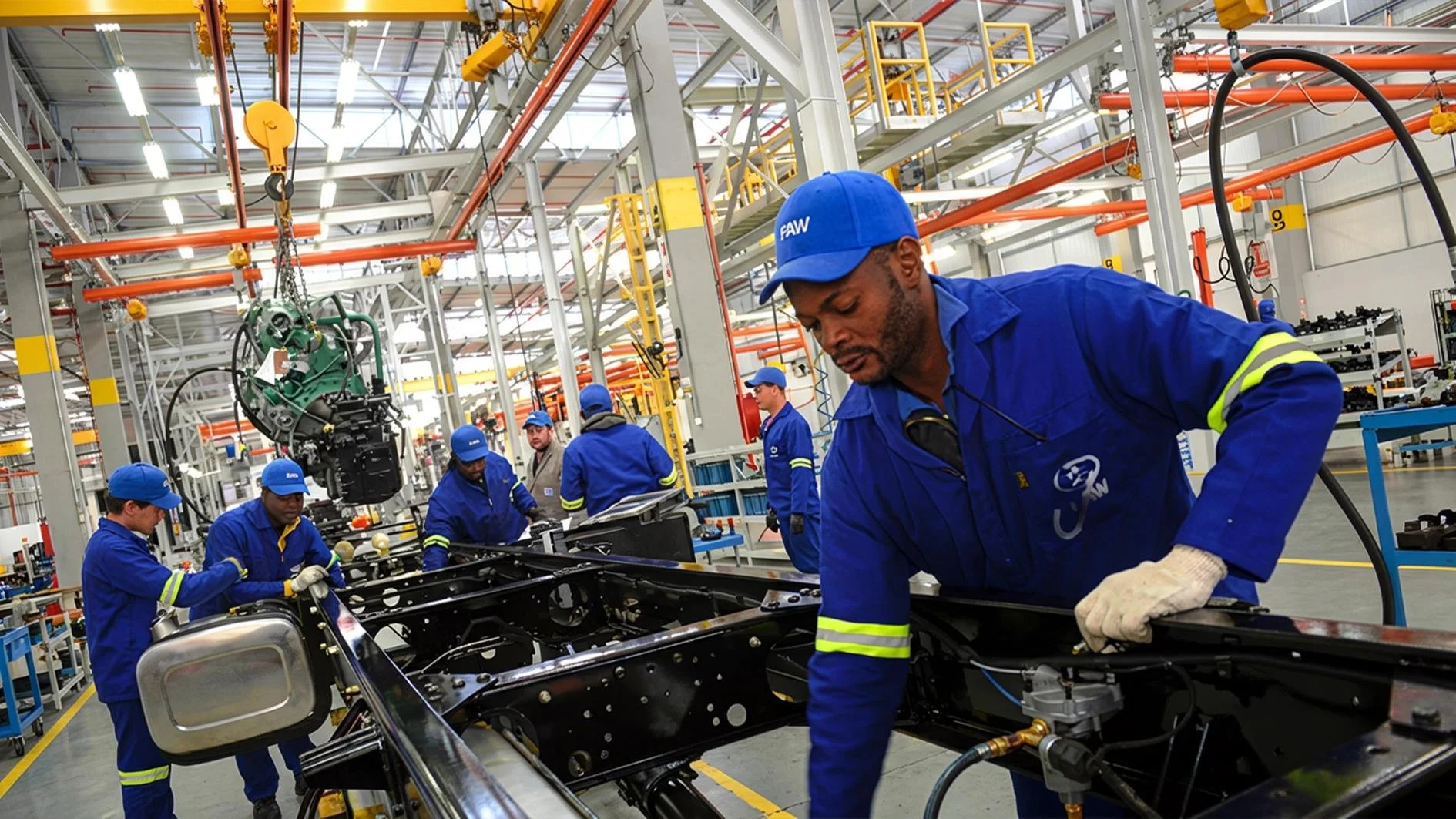
Made-in-Nigeria Push Gains Momentum as Manufacturers Seek Lower Production Costs
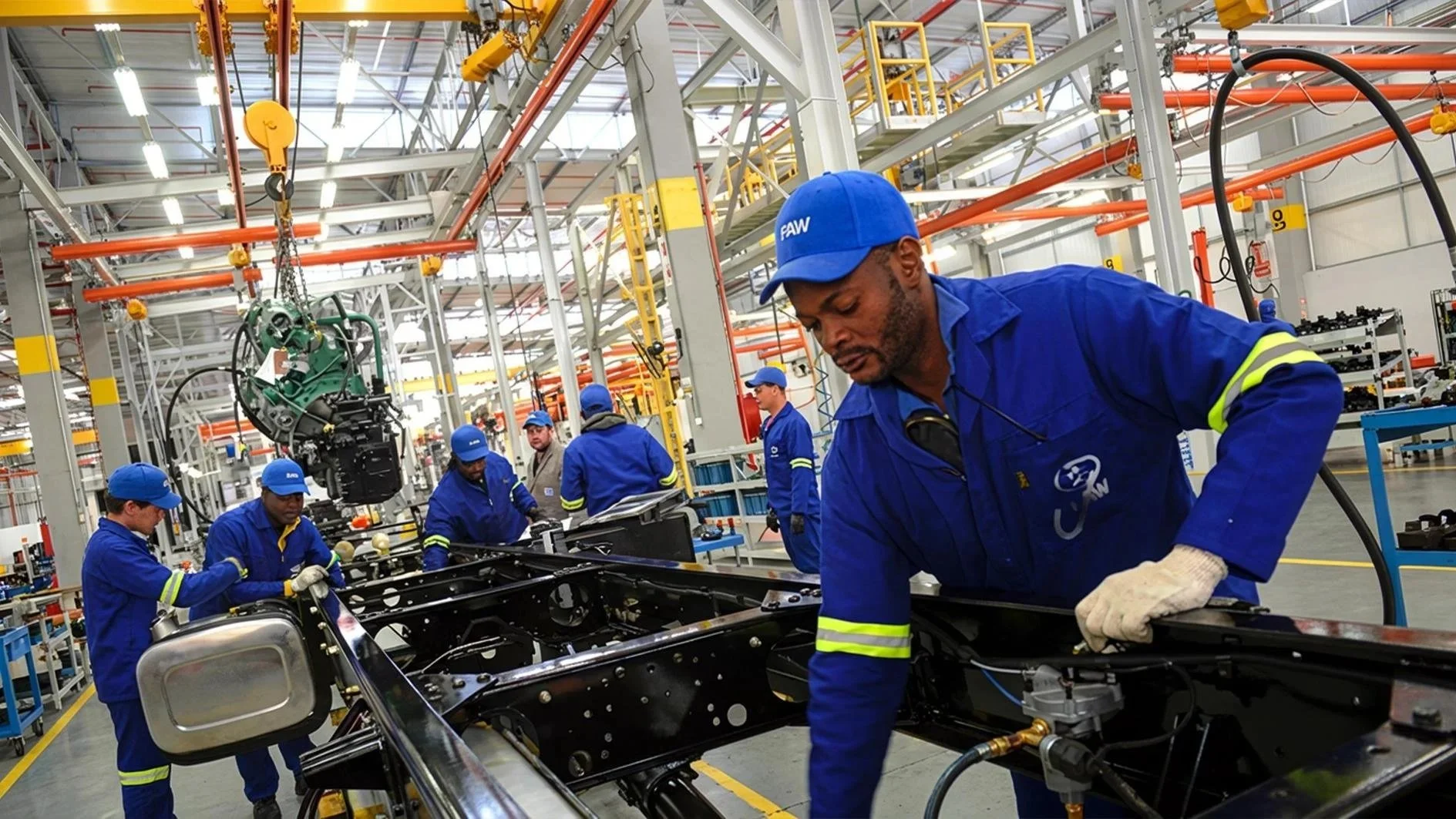
MAN pushes local manufacturing
Nigeria’s manufacturers are calling for greater patronage of locally produced goods as the country seeks to strengthen domestic production, expand industrial capacity and reduce dependence on imported products.
The Manufacturers Association of Nigeria (MAN) made the call during the opening of its three-day Made-in-Nigeria Exhibition in Lagos, held alongside the association’s 54th Annual General Meeting.
/ You Might Also Like /




MAN President Francis Meshioye urged the Independent National Electoral Commission, political parties and government agencies to prioritise locally manufactured products during electioneering activities.
He said increased patronage would stimulate industrialisation, support manufacturers and strengthen the sector’s contribution to economic growth.
Election Spending Could Support Local Manufacturing
Meshioye said the forthcoming national, state and local government elections provide an opportunity for political parties and government institutions to demonstrate support for Nigerian manufacturers by purchasing locally produced goods.
He urged INEC, political parties and other agencies involved in the electoral process to prioritise Made-in-Nigeria products during electioneering and beyond.
The MAN president also called on President Bola Tinubu to accelerate implementation of Executive Orders 003 and 005, as well as the Federal Government’s Nigeria First Policy.
He argued that government agencies that fail to comply with the policies should face sanctions.
High Production Costs Continue to Weigh on Manufacturers
The push for greater local patronage comes as manufacturers continue to contend with high operating costs.
Meshioye identified energy costs, access to finance, industrial inputs, logistics, regulatory uncertainty and productivity as major factors affecting the competitiveness and investment capacity of manufacturers.
The challenge is particularly significant for industries that supply essential inputs to the construction and property sectors.
Where manufacturers face high energy and logistics expenses, those costs can ultimately filter through to the prices of construction materials and other goods required for property development.
Local Manufacturing Could Support Housing Supply
A stronger domestic manufacturing base could have wider implications for Nigeria’s housing market.
The construction industry relies on locally produced and imported materials including cement, steel, roofing products, fittings, glass and other components.
Expanding domestic manufacturing capacity could strengthen the supply of these materials, reduce exposure to foreign exchange pressures and improve supply-chain resilience.
However, increased local production alone will not automatically translate into cheaper building materials.
Manufacturers still require reliable electricity, affordable financing, efficient transport infrastructure and competitive access to raw materials before increased production can translate into lower costs.
Energy Costs Remain a Major Industrial Constraint
The National Institute for Policy and Strategic Studies (NIPSS) Director-General, Prof. Ayo Omotayo, also highlighted energy costs as a major obstacle to manufacturing competitiveness.
He said Nigeria needed to address the cost and reliability of electricity if it was to achieve its ambition of becoming a major industrial hub.
For manufacturers of construction materials, energy represents a particularly important production input.
Cement, steel, ceramics, glass and other materials require significant amounts of energy during production. High energy costs can therefore raise the cost base for construction and ultimately increase the expense of delivering new homes and commercial developments.
Imported Inputs Remain a Structural Challenge
Omotayo also called for a dedicated policy framework for raw materials, arguing that Nigeria cannot achieve sustainable industrialisation while spending substantial resources importing production inputs.
Reducing dependence on imported raw materials could improve domestic value addition and reduce pressure on foreign exchange.
For the construction sector, greater domestic production of key inputs could also help reduce exposure to exchange-rate fluctuations that can raise the price of imported materials.
The transition, however, will require investment in domestic processing capacity, technology and infrastructure.
Manufacturing Growth Could Support Industrial Property
A stronger manufacturing sector could also create additional demand for industrial and logistics real estate.
As manufacturers expand production capacity, demand can increase for factories, warehouses, distribution centres, worker accommodation and other supporting infrastructure.
Improved industrial activity around major manufacturing corridors could therefore influence property development patterns and investment opportunities.
For developers, the growth of manufacturing clusters can create new demand for both commercial and residential property around industrial locations.
Government Procurement Could Create a Larger Market
MAN’s focus on electioneering procurement highlights the importance of government and institutional purchasing power in supporting domestic manufacturers.
If public institutions consistently prioritise competitive local products, manufacturers could gain a more predictable market for scaling production.
Higher production volumes could potentially improve economies of scale, strengthen domestic supply chains and encourage further investment in manufacturing capacity.
The broader objective is to move Nigeria from a consumption-driven economy towards one with stronger domestic productive capacity.
Policy Implementation Will Determine Impact
The NIPSS director-general stressed that policy alone would not be sufficient to transform Nigeria’s manufacturing sector.
He said effective implementation would determine whether industrial policies deliver meaningful benefits.
MAN Director-General Segun Ajayi-Kadir similarly highlighted energy availability and affordability, production input costs, logistics and the regulatory environment as continuing obstacles to industrial competitiveness.
He said sustained policy action and collaboration between government and the private sector would be required to address the constraints.
Implications for Construction and Real Estate
For Nigeria’s property market, the manufacturing debate matters because construction costs are closely linked to the performance of domestic industrial supply chains.
A more competitive local manufacturing sector could improve the availability of construction inputs and reduce some supply-chain risks.
But without improvements in electricity, transport, finance and raw-material access, manufacturers may continue to pass elevated production costs down the supply chain.
That could keep pressure on developers already facing high land, financing and construction expenses.
Outlook
The Made-in-Nigeria campaign comes at a critical point for Nigeria’s industrial and construction sectors.
Greater local patronage could provide manufacturers with stronger demand, but sustainable growth will depend on whether the government and private sector can address the structural costs of production.
For the housing market, the outcome could be significant. A stronger domestic manufacturing base could improve the supply and resilience of construction materials, while cheaper and more reliable energy and logistics could eventually reduce some of the costs associated with housing delivery.
The immediate challenge, however, remains turning local-patronage policies into a competitive production environment capable of supplying Nigerian consumers and industries at scale.
READ MORE