17 States Face Medium Flood Risk as NIHSA Calls for Urgent Evacuation
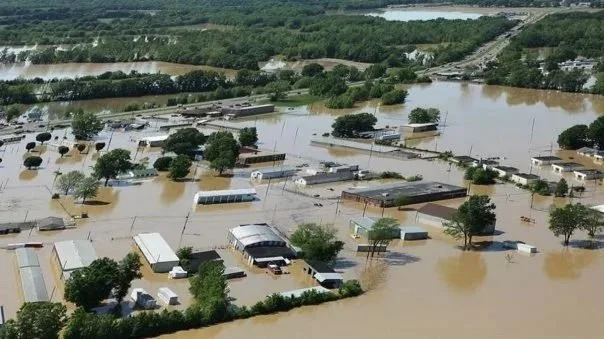
The Nigeria Hydrological Services Agency (NIHSA) has placed 17 states on medium flood alert following rising water levels across key river monitoring stations, warning that communities located along floodplains face an increased risk of localised flooding between July 21 and July 27, 2026. The agency has directed immediate evacuation of residents in high-risk areas while urging emergency management authorities to activate response measures to minimise loss of lives and property.
/ You Might Also Like /




Rising River Levels Trigger National Flood Advisory
According to NIHSA's National Flood Advisory (Alert No. NFA-2026-200), the latest warning follows hydrological data showing that river levels at several critical monitoring stations have exceeded established watch and warning thresholds.
The agency identified elevated water levels at Saminara on the Karam River, Waya Dam Site on the Waya River, and Amber on the Amber River. In addition, 16 hydrological gauging stations nationwide are currently recording above-normal river stages, increasing the likelihood of flooding along major river channels and floodplains.
NIHSA Director-General, Umar Mohammed, said the latest monitoring data indicates an elevated flood risk that requires immediate preventive action from governments, emergency agencies and residents in vulnerable communities.
Seventeen States Identified as At Risk
The advisory places the following states under medium flood risk during the seven-day forecast period:
Adamawa
Bauchi
Benue
Borno
Edo
Gombe
Imo
Jigawa
Kaduna
Kano
Kebbi
Nasarawa
Niger
Plateau
Taraba
Yobe
Zamfara
Among the affected states, Bauchi has the highest projected exposure, with 1,841 communities identified as vulnerable. The advisory also indicates potential impacts on 145 schools, 101 health facilities, and eight markets within the state.
Other areas facing significant exposure include:
Imo State: 415 vulnerable communities, 423 schools, 198 health facilities, 49 markets and 75 hectares of farmland.
Plateau State: 205 communities, 137 schools and 44 health facilities.
Edo State: 148 communities, 131 schools and 123 health facilities.
Kaduna State: 168 vulnerable communities.
Benue State: Five communities, eight schools and two health facilities.
NIHSA Directs Immediate Evacuation and Emergency Preparedness
To reduce potential losses, NIHSA instructed the National Emergency Management Agency (NEMA), State Emergency Management Agencies (SEMAs), local government authorities and community leaders to commence immediate evacuation of residents living in flood-prone locations.
The agency also recommended:
Relocating livestock and household valuables to designated safe shelters.
Pre-positioning food, potable water, medical supplies and first-aid materials.
Activating community-based early warning systems.
Strengthening communication between emergency responders and vulnerable communities.
Monitoring daily flood bulletins for updated forecasts.
Implications for Housing and Infrastructure
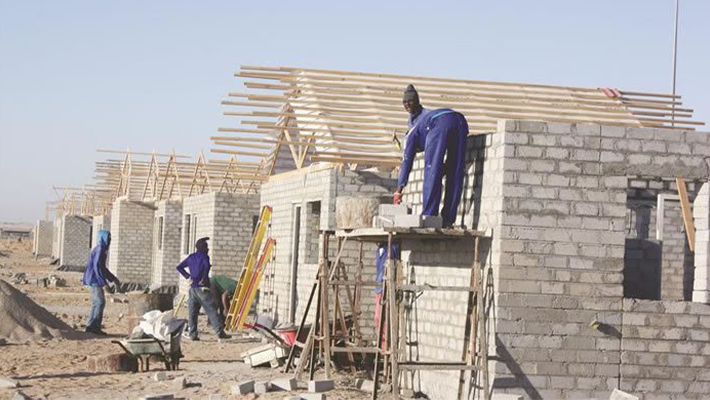
The latest advisory reinforces the growing importance of flood resilience in Nigeria's housing and infrastructure planning.
Communities situated along river channels and low-lying urban areas remain particularly vulnerable during the peak rainy season. Flooding often results in damage to residential buildings, transport infrastructure, public facilities and agricultural land, increasing recovery costs for governments and property owners.
For developers, investors and policymakers, the advisory highlights the need to integrate flood-risk assessments into site selection, urban expansion plans and housing developments. Strengthening drainage infrastructure, enforcing planning regulations and adopting climate-resilient construction standards remain critical to reducing long-term exposure to flood-related losses.
The warning also underscores the importance of early-warning systems and coordinated disaster preparedness as Nigeria continues to experience increasingly variable rainfall patterns.
Looking Ahead
NIHSA has advised state governments, emergency management agencies and residents to remain vigilant throughout the advisory period and continue monitoring official flood updates as hydrological conditions evolve.
With the rainy season entering a more active phase, proactive evacuation, emergency preparedness and improved infrastructure resilience will remain central to protecting lives, safeguarding housing assets and reducing the economic impact of flooding across vulnerable communities.
READ MORE