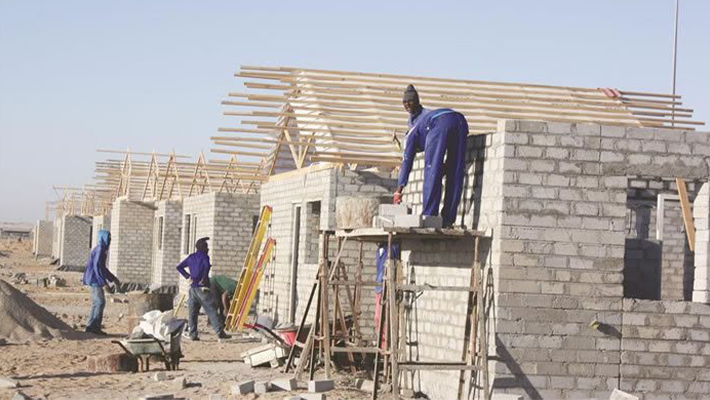
Nigeria’s Housing PPP Model Attracts Interest From African Countries
African countries are exploring Nigeria’s Renewed Hope Housing public-private partnership (PPP) model as a potential framework for expanding affordable housing, following its presentation at a continental forum attended by delegations from 36 countries in Addis Ababa, Ethiopia.
/ You Might Also Like /




Jobson Ewalefoh, Director-General of the Infrastructure Concession Regulatory Commission (ICRC), presented the model at the Second Forum for Public-Private Partnership Units in Africa. The forum, co-organised by the United Nations Economic Commission for Africa, the African Development Bank and the African Legal Support Facility, examined ways to use PPPs to deliver housing, healthcare, education, sanitation and water infrastructure.
Nigeria was among five countries that presented projects at the forum’s project clinics, alongside Malawi, Kenya, Djibouti and Côte d’Ivoire. Delegates expressed interest in how Nigeria’s approach could attract private capital while keeping housing affordable for intended beneficiaries.
Nigeria’s Housing Model Targets 100,000 Homes
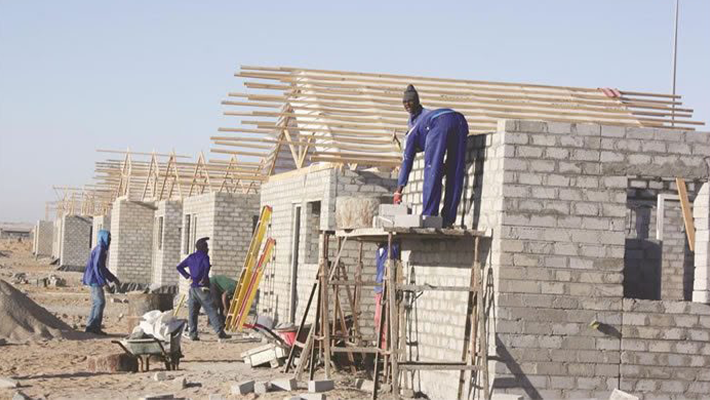
The Renewed Hope Cities programme aims to deliver 100,000 housing units across selected Nigerian cities through arrangements involving private-sector developers.
Under the model presented by Ewalefoh, private partners provide land, design the homes, arrange financing and undertake construction. The government’s role is to reduce investment risks and support delivery rather than directly fund the entire construction cost.
The approach is designed to address a key challenge in Nigeria’s housing market: developers need commercially viable projects, while many prospective homeowners cannot afford homes financed at prevailing market rates.
Concessionary Finance Supports Project Viability
Ewalefoh identified high borrowing costs as a major obstacle to housing development and homeownership, noting that commercial lending rates in Nigeria had exceeded 23 per cent.
To reduce financing pressure, the government has facilitated several support measures. These include approximately $19 million in single-digit-interest funding through the Federal Mortgage Bank of Nigeria and a further $20 million in concessionary loans through the Family Homes Fund.
The model also incorporates the approximately $112 million MOFI Real Estate Investment Fund, which is intended to support more affordable mortgage financing for eligible buyers.
Other measures include identifying middle-income federal civil servants as prospective buyers, committing to access roads for semi-urban project locations and negotiating sale prices with developers. A limit of one housing unit per buyer is also intended to discourage speculative purchases.
According to the ICRC, the combined measures have reduced the project’s effective cost by about 30 per cent. Approximately $39 million in concessionary funding is helping to unlock a project with construction costs of about $125 million in private-sector investment.
Why the Model Is Attracting Interest
The model seeks to address the gap between the cost of building homes and the amount prospective buyers can afford to pay. Instead of financing construction directly, the government supports project viability through concessionary loans, infrastructure commitments, mortgage support and measures to reduce demand uncertainty.
For private developers, these arrangements could reduce financing risks and improve the prospects of selling completed homes. For buyers, lower financing costs and negotiated sale prices could improve access to homeownership.
However, the model’s effectiveness depends on whether these interventions translate into completed homes with purchase prices and mortgage repayments that match household incomes.
What African Countries Could Learn From Nigeria
Countries considering the approach would need to adapt it to their own land administration systems, mortgage markets, public finances and housing needs.
The availability of suitable land, access to long-term financing and the identification of eligible buyers are central to the model. Governments would also need clear contractual arrangements that define responsibilities, allocate risks fairly and protect public interests.
The forum provided an opportunity for participating countries to exchange experiences on project structuring, risk allocation and implementation. Nigeria’s delegation also had the opportunity to learn from other countries’ social infrastructure projects.
Delivery and Affordability Remain the Key Tests
Interest from other African countries places Nigeria’s housing PPP model on the continental policy agenda, but international interest alone does not demonstrate that the programme has achieved its housing objectives.
The critical measures of success will be the number of homes completed and occupied, the prices charged to buyers, the affordability of mortgage repayments and the extent to which private investment expands housing supply.
The reported 30 per cent reduction in effective project costs is significant, but its practical value will depend on how the savings affect final house prices and buyers’ financing costs.
Outlook
Nigeria’s Renewed Hope Housing PPP model offers an approach to mobilising private capital for housing without requiring government to finance all construction costs directly. Its potential lies in combining private-sector delivery with public support that reduces project risks and improves affordability.
For Nigeria, consistent implementation and transparent reporting on completed homes will be essential. For other African countries, the model’s relevance will depend on whether its financing and risk-sharing arrangements can be adapted to local conditions and deliver homes that intended beneficiaries can afford.
READ MORE