Nigeria’s $750 Billion Mineral Assets Positioned to Drive Africa’s Mining Transformation
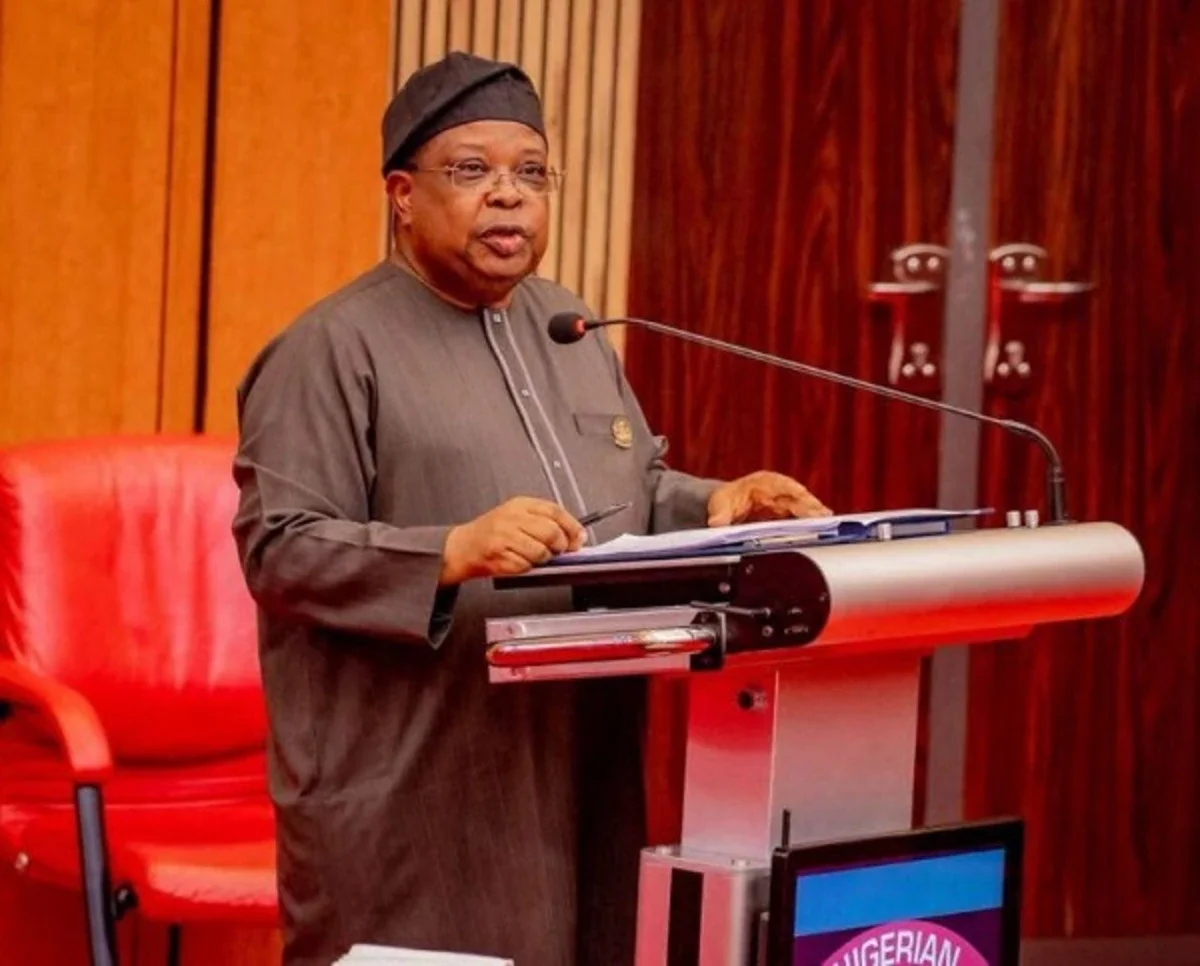
Dele Alake Says Nigeria’s Mineral Resources Can Anchor Africa’s Mining Future
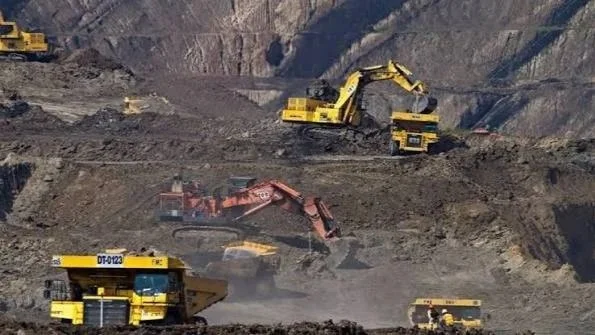
Nigeria is intensifying efforts to unlock the economic value of its estimated $750 billion mineral assets, positioning the solid minerals sector as a key driver of economic diversification and a strategic contributor to Africa’s mining transformation. The renewed push, led by the Federal Ministry of Solid Minerals Development, seeks to attract investment, promote value addition and strengthen Nigeria’s role in the continent’s rapidly evolving mining industry.
/ You Might Also Like /




Minister of Solid Minerals Development Dr. Dele Alake said Nigeria possesses one of Africa’s most diverse mineral endowments, with commercially viable deposits of lithium, gold, iron ore, limestone, barite, bitumen, tin, lead, zinc and other strategic minerals. He noted that ongoing reforms are aimed at moving the country beyond the export of raw minerals towards local processing, industrialisation and greater participation in global mineral value chains.
Nigeria Seeks to Diversify Beyond Oil
The Federal Government continues to position mining as a cornerstone of its economic diversification strategy as it seeks to reduce dependence on crude oil revenues.
According to the Ministry of Solid Minerals Development, Nigeria's vast mineral resources provide significant opportunities for industrial growth, export expansion, job creation and increased government revenue. Unlocking these resources is expected to strengthen the country's economic resilience while supporting manufacturing and infrastructure development.
Despite its extensive resource base, Nigeria's mining sector has historically contributed only a small share of national Gross Domestic Product (GDP), reflecting years of underinvestment, inadequate infrastructure and illegal mining activities. Recent reforms are intended to reverse that trend by improving regulation, encouraging private investment and expanding formal mining operations.
Mining Reforms Focus on Value Addition
A central objective of the government's mining strategy is to increase domestic mineral processing rather than exporting raw materials.
Officials have repeatedly emphasised that local beneficiation can create higher-value industries, generate skilled employment and improve export earnings. By encouraging investors to establish processing plants and refining facilities within Nigeria, the government hopes to capture more value from the country's mineral resources while supporting industrial development.
The strategy aligns with broader African initiatives that encourage resource-rich countries to move up the mining value chain instead of relying primarily on raw commodity exports.
Nigeria Positions Itself Ahead of African Mining Week
The announcement comes ahead of African Mining Week 2026, where Nigeria intends to showcase investment opportunities across its solid minerals sector.
The event is expected to bring together policymakers, mining companies, financiers and international investors to discuss partnerships, project financing and policy reforms aimed at accelerating mining development across the continent. Nigeria plans to use the platform to highlight recent regulatory improvements and investment opportunities in critical minerals that are increasingly important to the global energy transition.
Growing international demand for minerals such as lithium has increased investor interest in African mining jurisdictions as countries seek reliable supplies for electric vehicle batteries, renewable energy technologies and advanced manufacturing.
Strategic Minerals Offer New Investment Opportunities
Nigeria possesses commercially viable deposits of several minerals considered essential to the global transition towards cleaner energy technologies.
Lithium, in particular, has attracted growing investor attention because of its role in battery manufacturing. In addition to lithium, Nigeria has significant deposits of gold, iron ore, limestone, lead, zinc, barite and rare industrial minerals capable of supporting both domestic industries and export markets.
The government believes that expanding exploration activities, strengthening geological data and improving regulatory certainty will encourage greater private sector participation in mineral development.
Infrastructure and Investment Remain Critical
While Nigeria's mineral potential is widely acknowledged, stakeholders continue to identify infrastructure as one of the sector's biggest challenges.
Reliable road networks, rail systems, power supply and logistics infrastructure are essential for transporting minerals from mining sites to processing facilities and export terminals. Continued investment in supporting infrastructure will therefore play a significant role in determining the sector's long-term competitiveness.
Industry analysts also point to the importance of transparent licensing systems, investor protection and security in attracting sustained capital into mining projects.
Implications for Housing and Infrastructure Development
Expansion of the mining industry has important implications beyond mineral production.
Large-scale mining investments often stimulate demand for housing, commercial developments and supporting infrastructure around mining communities. New mining projects typically require roads, power networks, water infrastructure and logistics facilities, creating opportunities for construction companies and real estate developers.
As industrial activities expand, demand for residential accommodation, industrial estates and urban services is also expected to increase, supporting broader regional development.
Nigeria's Mining Vision Supports Industrialisation
The government's long-term vision extends beyond increasing mineral exports.
Officials have repeatedly stated that the objective is to use mineral resources to drive industrialisation, manufacturing and economic diversification while creating sustainable employment opportunities.
By integrating mining with processing, manufacturing and infrastructure development, Nigeria hopes to build stronger domestic value chains capable of contributing more significantly to national economic growth.
Looking Ahead
Nigeria's estimated $750 billion mineral assets represent one of the country's largest untapped economic opportunities. As the Federal Government intensifies reforms and promotes investment ahead of African Mining Week 2026, attention will increasingly focus on policy implementation, infrastructure expansion and value addition within the mining sector.
If successfully developed, the country's mineral resources could strengthen Nigeria's position within Africa's mining industry, support economic diversification, generate employment and stimulate investment across related sectors, including infrastructure, manufacturing and real estate. For investors, policymakers and industry stakeholders, the renewed emphasis on solid minerals signals a strategic shift towards building a more diversified and resilient economy.
READ MORE