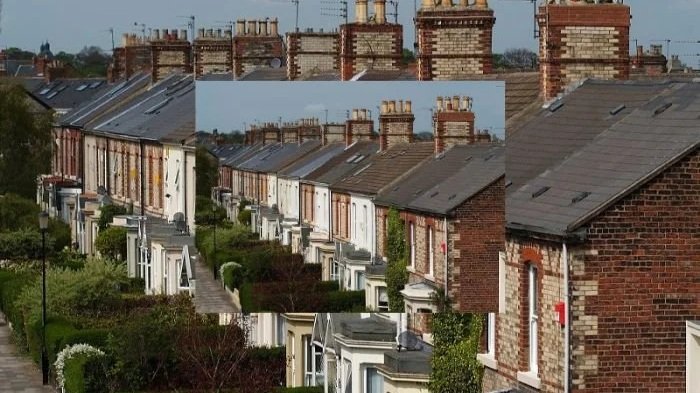
Rental prices are climbing in Nigeria and the UK as limited housing supply, high construction costs and affordability pressures reshape both markets.
Nigeria and the United Kingdom are experiencing renewed pressure in their rental housing markets, with rising rents and constrained property supply making accommodation increasingly expensive for tenants. Recent market data from the UK shows advertised rents reaching record levels, while Nigerian cities continue to contend with sharp rent increases driven by urbanisation, population growth and a shortage of affordable homes.
/ You Might Also Like /




The comparison highlights a challenge confronting both housing markets: when the supply of rental properties fails to expand sufficiently, tenants face higher costs, even when demand conditions begin to moderate.
In Nigeria, rents have increased by between 50 and 200 per cent in major cities, particularly Lagos, according to figures reported by BusinessDay. Population growth and rapid urbanisation have continued to increase demand for accommodation, while high construction costs and limited purchasing power constrain the delivery of additional housing.
The UK is also recording higher rental prices, although its market conditions differ from Nigeria's.
UK Rental Prices Reach New Highs
Average advertised rents outside London reached £1,418 per calendar month, setting a new record, according to property portal Rightmove. The figure represents a 1.5 per cent increase during the quarter, while annual rental growth moderated to 2.4 per cent.
London recorded a higher average advertised rent of £2,825 per month, with annual growth of 3.2 per cent. The capital's rental market also showed tighter supply conditions than the wider national market.
Available rental listings in London fell by 9 per cent year-on-year, while newly listed properties declined by 7 per cent. Tenant demand, however, increased by 6 per cent over the same period.
Outside London, the number of available rental properties nationally declined by 2 per cent compared with a year earlier. Tenant demand also fell by 2 per cent, indicating that the market is experiencing supply constraints alongside more moderate demand.
Colleen Babcock, a property expert at Rightmove, said advertised rents had exceeded £1,400 per month outside London for the first time. She noted that rental growth had slowed from the exceptionally rapid increases recorded in previous years, but constrained supply continued to put upward pressure on prices.
Landlord Activity and Rental Supply
The UK figures also point to changes in the flow of properties into and out of the rental market.
Homes previously rented accounted for about 13 per cent of properties listed for sale this year, compared with 12 per cent a year earlier. This suggests that landlord exits from the rental sector have remained relatively stable.
However, rental properties that were previously listed for sale declined from 17 per cent to 15 per cent, indicating a reduction in the contribution of new landlord investment to rental supply.
This trend matters because the availability of rental homes depends not only on the number of households seeking accommodation but also on landlords' willingness to acquire, retain and let residential properties.
Where investment in rental housing weakens, the market may struggle to replace properties withdrawn from the sector or accommodate additional demand.
Nigeria's Rental Market Faces More Severe Affordability Pressures
Nigeria's rental market is dealing with a different combination of pressures. Rapid population growth and urban migration have increased demand in major employment and commercial centres, particularly Lagos, Abuja and Port Harcourt.
At the same time, rising building-material prices, expensive financing and limited access to long-term housing credit have made it more difficult for developers to deliver new homes at prices that ordinary households can afford.
These conditions have also influenced developers' investment decisions. Many prefer to build properties for sale rather than retain them as rental assets, partly because selling allows them to recover construction costs and repay financing more quickly.
The preference for build-to-sell development limits the expansion of professionally managed rental housing, despite the large number of Nigerian households that cannot afford to purchase homes.
The resulting imbalance places additional pressure on existing rental stock, particularly in locations where employment opportunities, transport links and social infrastructure attract more residents.
Housing Supply Remains Central to Rent Stabilisation
The experiences of Nigeria and the UK demonstrate that rental affordability depends on more than the rate of demand growth. The volume, location, cost and quality of available housing also influence how much tenants pay.
In the UK, rental growth has moderated, but record asking prices and declining listings in London show that affordability remains a concern. In Nigeria, the combination of rising rents, high construction costs and limited access to mortgage finance presents a more persistent challenge for households.
For Nigeria, improving rental affordability will require measures that increase housing delivery and make investment in rental properties more viable. This includes access to long-term financing, more efficient land administration, lower construction costs and policies that encourage different forms of housing tenure.
Expanding rental supply will also require developers and investors to see viable returns in long-term rental projects, rather than relying predominantly on outright sales.
Without a sustained increase in the supply of homes, rent increases are likely to remain a significant burden for households in Nigeria's major cities, regardless of changes in short-term demand.
READ MORE