Tourism stakeholders call for better transport, accommodation, security and visitor facilities
Nigeria’s tourism industry needs sustained investment in transport, accommodation, security and visitor facilities to attract investors, improve travel experiences and turn the country’s cultural and natural attractions into viable economic assets.
/ You Might Also Like /




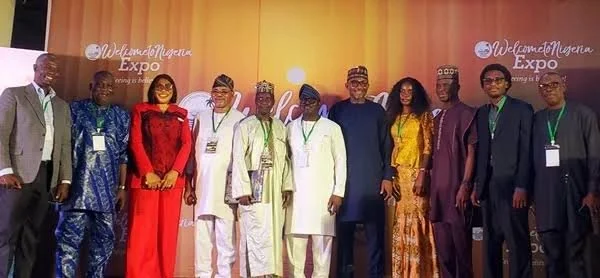
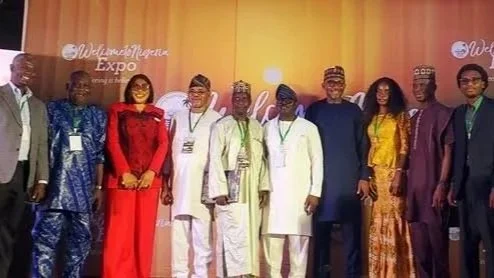
Stakeholders made the call at the opening of the Welcome to Nigeria Expo 2026 (WtNEx) in Abuja, where tourism professionals, investors, regulators and development partners discussed ways to expand the sector’s contribution to economic growth.
The two-day expo, held from 20 to 21 October, focused on infrastructure development, growth across tourism subsectors and economic prosperity under the theme, “Global Perspectives to Nigeria Tourism Master Plan: Infrastructure Development, Sub-sectoral Growth, and Economic Prosperity”.
Participants stressed that Nigeria’s tourism potential would remain underdeveloped without the infrastructure and services needed to connect attractions with visitors, support hospitality businesses and encourage private investment.
Infrastructure Remains a Major Barrier to Tourism Investment
Isah Sago, president and chief executive of the Welcome to Nigeria Development Initiative (WeNDI), said infrastructure was fundamental to building a competitive and sustainable tourism industry.
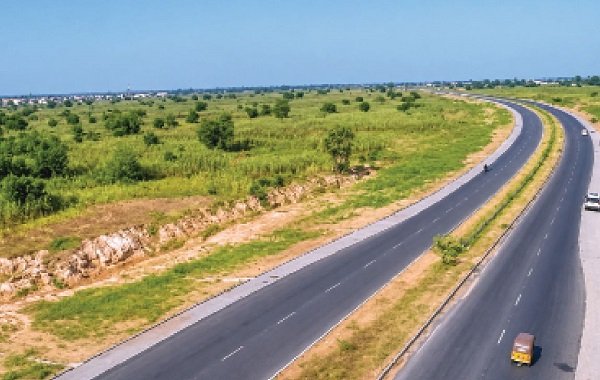
He identified accessible destinations, reliable transport, quality accommodation, digital connectivity, sanitation, security and visitor facilities as essential requirements for attracting investment and improving tourists’ experiences.
These facilities also influence whether tourism sites can develop into commercially viable destinations. Attractions that lack dependable road access, electricity, accommodation and other basic services may struggle to attract visitors, generate consistent revenue and support businesses around them.
Improved infrastructure could help tourism operators expand their services, encourage investment in hospitality and leisure facilities, and create employment opportunities in communities hosting major attractions.
Sago urged stakeholders to establish partnerships that support small businesses, empower young people and women, and stimulate economic activity across local communities.
Security and Transport Connectivity Critical to Growth
Abiodun Odusanwo, president of the Institute for Tourism Professionals of Nigeria, called for improvements in road, rail, maritime and air transport infrastructure, alongside stronger security and more effective immigration policies.
He noted that a visitor’s experience depended on multiple service providers, including airlines, airport officials, immigration officers, embassy staff and tourism operators.
Weaknesses at any point in that chain can undermine confidence in a destination and discourage repeat visits. For international tourists, transport connectivity, border procedures and personal safety can influence decisions about where to travel and how long to stay.
Addressing these issues would require coordination among government agencies, transport operators, security institutions and private tourism businesses rather than isolated interventions.
Government Seeks Foreign Investment Through Economic Diplomacy
Foreign Affairs Minister Bianca Odumegwu-Ojukwu called for stronger economic diplomacy to promote Nigeria’s tourism assets and attract foreign investment.
Represented at the expo by Haruna Isah, assistant director in the ministry’s Economic, Trade and Investment Department, the minister said Nigeria’s 109 diplomatic missions could help market the country’s tourism opportunities internationally.
She said the government was working to facilitate foreign direct investment in tourism infrastructure through bilateral investment arrangements and engagement with development finance institutions.
The minister also said visa arrangements were under review to improve accessibility while maintaining border security. She highlighted the need to strengthen direct international air links and improve airport, road and hospitality standards.
She urged the expo to produce a portfolio of commercially viable tourism projects that diplomatic missions could present to prospective investors. A unified calendar of tourism and cultural events was also proposed to improve international promotion and coordination.
Public-Private Partnerships Could Unlock Tourism Projects
The discussions highlighted the importance of translating tourism promotion into investable projects.
Public-private partnerships could help mobilise capital for accommodation, transport links, recreational facilities and destination infrastructure, particularly where public funding alone cannot meet development needs.
For investors, however, successful projects depend on more than tourism demand. Reliable infrastructure, clear regulations, security, access to finance and predictable operating conditions influence whether investments can generate sustainable returns.
A portfolio of bankable projects could help connect developers and tourism operators with domestic investors, international financiers and development finance institutions. Such projects would still require credible feasibility studies, transparent procurement and clear arrangements for managing commercial and public-sector risks.
Minister of Art, Culture, Tourism and the Creative Economy Hannatu Musawa, represented by Alice Onioriode, assistant director of Domestic Tourism Promotion, also called for higher industry standards and stronger support for local tourism businesses.
Tourism Infrastructure Has Wider Economic Implications
Stronger tourism infrastructure could support growth beyond hotels and travel services. Construction and renovation projects can create demand for building materials, engineering, architecture, property development, facilities management and other professional services.
Improved destinations may also encourage investment in serviced apartments, resorts, mixed-use developments, restaurants and retail facilities. These opportunities depend on sustained visitor demand and the availability of supporting infrastructure.
For Nigeria’s property market, tourism-led development could create new investment opportunities in locations with strong attractions but limited accommodation and commercial facilities. However, projects need careful market assessment to avoid oversupply or developments that cannot attract sufficient visitor spending.
The broader economic benefit will depend on whether infrastructure investment translates into operational destinations, viable businesses, employment and increased local spending.
Implementation Will Determine the Outcome
The WtNEx 2026 discussions placed infrastructure, security, investment promotion and service standards at the centre of Nigeria’s tourism development agenda.
The next challenge is to translate these priorities into funded projects, coordinated policies and measurable improvements in destination access and visitor services.
A stronger tourism industry could diversify economic activity and create opportunities for businesses and communities. Achieving that potential will require sustained investment and implementation rather than promotional activity alone.
READ MORE