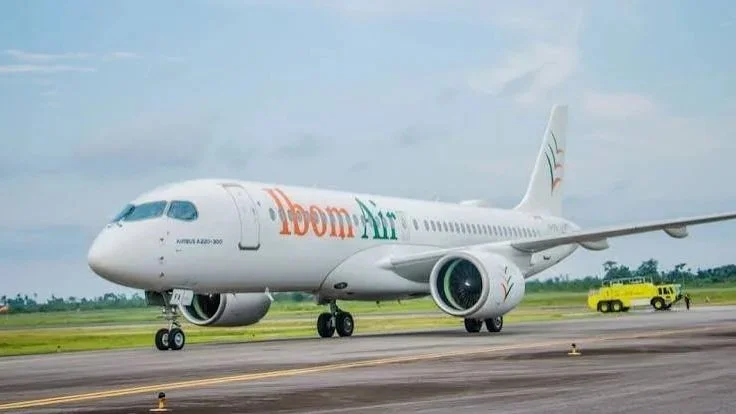
Akwa Ibom is pursuing aviation
Akwa Ibom State is expanding investment in aviation, maritime infrastructure and industrial development as it seeks to reduce its dependence on oil and gas and create new sources of economic growth.
The state government says projects linked to Victor Attah International Airport, the proposed Ibom Deep Seaport and supporting industrial infrastructure are intended to attract investors, strengthen logistics, create jobs and increase internally generated revenue.
/ You Might Also Like /




The strategy could also reshape development opportunities around Uyo and other parts of the state, particularly in hospitality, commercial property, logistics facilities and housing. However, the scale of these benefits will depend on project completion, investor participation and the development of supporting infrastructure.
Aviation Infrastructure Moves Towards Commercial Expansion
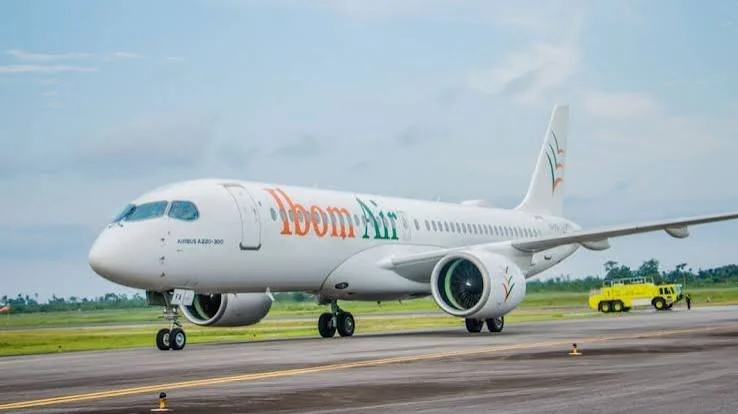
Victor Attah International Airport is central to the state’s plans to expand connectivity and attract business. The government reported that its new international terminal had reached 93 per cent completion and was already operational, with a design capacity of up to three million passengers annually. The airport began international operations with a flight to Accra in May 2026, followed by regular international services in June.
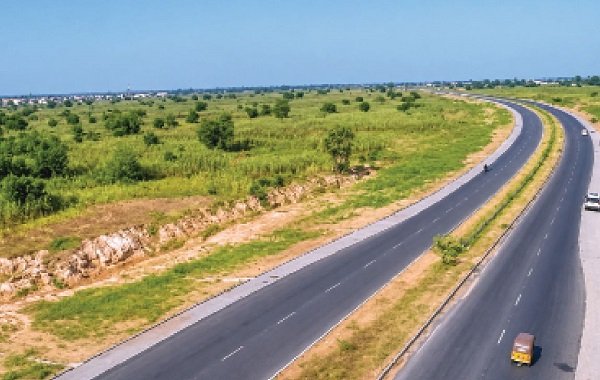
The state is also developing supporting facilities, including an aircraft maintenance, repair and overhaul hangar, expanded aircraft parking areas, access roads and drainage infrastructure.
These investments could support passenger travel, air cargo, tourism and related services. They may also create demand for hotels, serviced apartments, logistics facilities and commercial property near the airport.
However, the long-term commercial impact will depend on passenger numbers, airline participation, cargo demand and the airport’s ability to attract enough business to support its operating costs.
Ibom Deep Seaport Remains a Key Investment Test
The proposed Ibom Deep Seaport is another major part of the diversification strategy. The state government says its masterplan and site-specific feasibility studies have been completed, while the full business case has received approval from the Infrastructure Concession Regulatory Commission and the Federal Executive Council.
The process of identifying preferred bidders is ongoing, meaning the project still needs to progress through investment and procurement stages before construction and operations can deliver their expected economic benefits.
If realised, the port could strengthen maritime logistics, support industrial activity and improve access to international markets. Its potential benefits would extend to warehousing, freight forwarding, manufacturing, distribution and other businesses that rely on efficient cargo movement.
The proposed port’s success will depend on securing financing, attracting capable development partners and coordinating port facilities with roads, power, industrial sites and other transport links.
Hospitality and Industrial Projects Could Expand Property Demand
Beyond aviation and maritime infrastructure, the state is pursuing investments in hospitality, retail and industrial development, including the Ibom International Convention Centre, Ibom International Hotel, ARISE Shopping City and Itam Industrial Park.
These projects could generate demand for accommodation, retail premises, offices, industrial facilities and housing for workers. A functioning convention centre and hotel could also attract conferences, exhibitions and business travel, supporting local service businesses.
For property investors, the key consideration is whether these facilities will generate sustained commercial activity. Infrastructure can improve a location’s attractiveness, but long-term property demand also depends on employment, purchasing power, utilities, transport links and the number of businesses operating in the area.
Economic Diversification Depends on Delivery
Akwa Ibom’s infrastructure programme reflects an effort to use public investment to attract private capital and broaden the state’s economic base. The approach has the potential to create opportunities across aviation, maritime logistics, tourism, hospitality and real estate.
The central challenge is to convert projects at different stages of development into functioning assets. Airport facilities need more airline routes and passenger demand, while the proposed seaport needs investors and implementation milestones. Industrial and hospitality projects must also attract tenants, operators and customers.
For the state’s economy, the measure of success will be whether these investments generate sustainable revenue, create jobs and reduce dependence on oil and gas over time.
READ MORE