Nigeria Targets 1 Million CNG Vehicles as Government Pushes to Cut Transport Costs

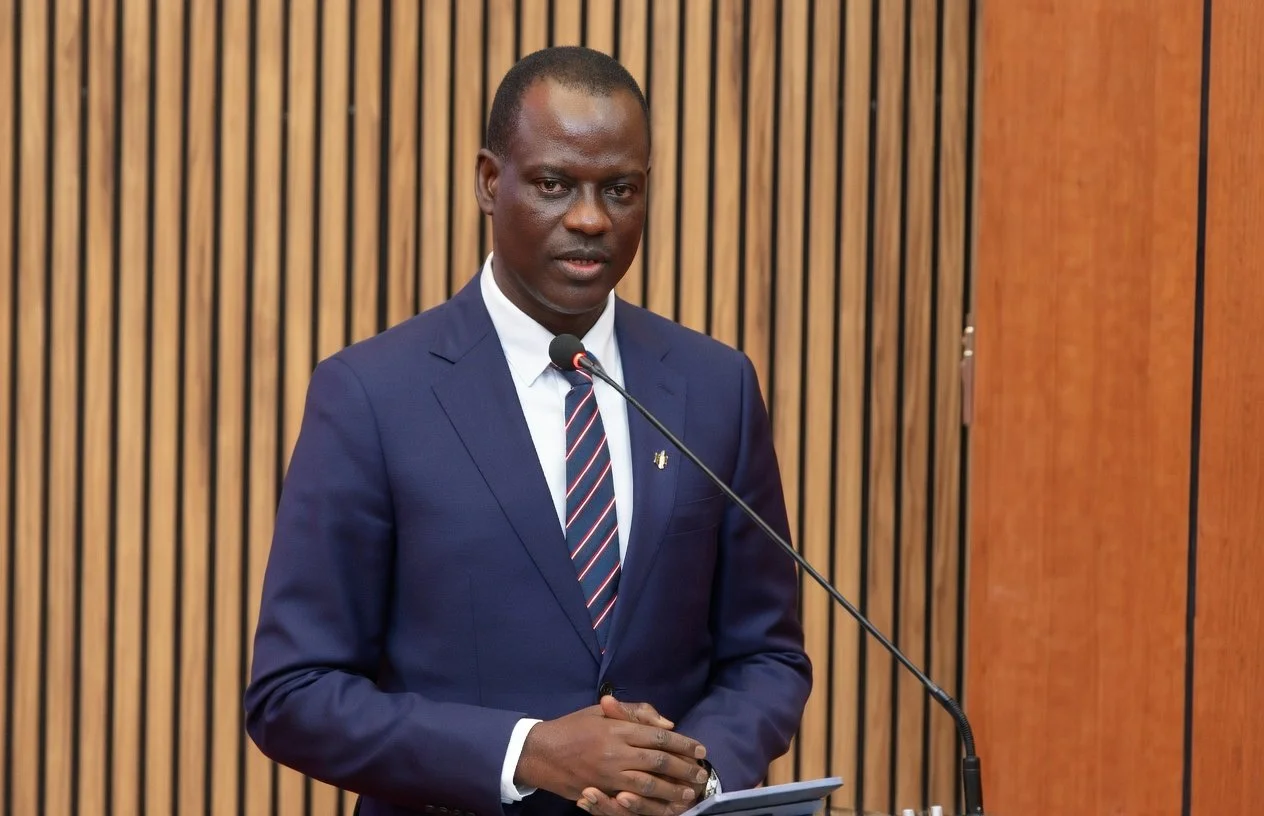
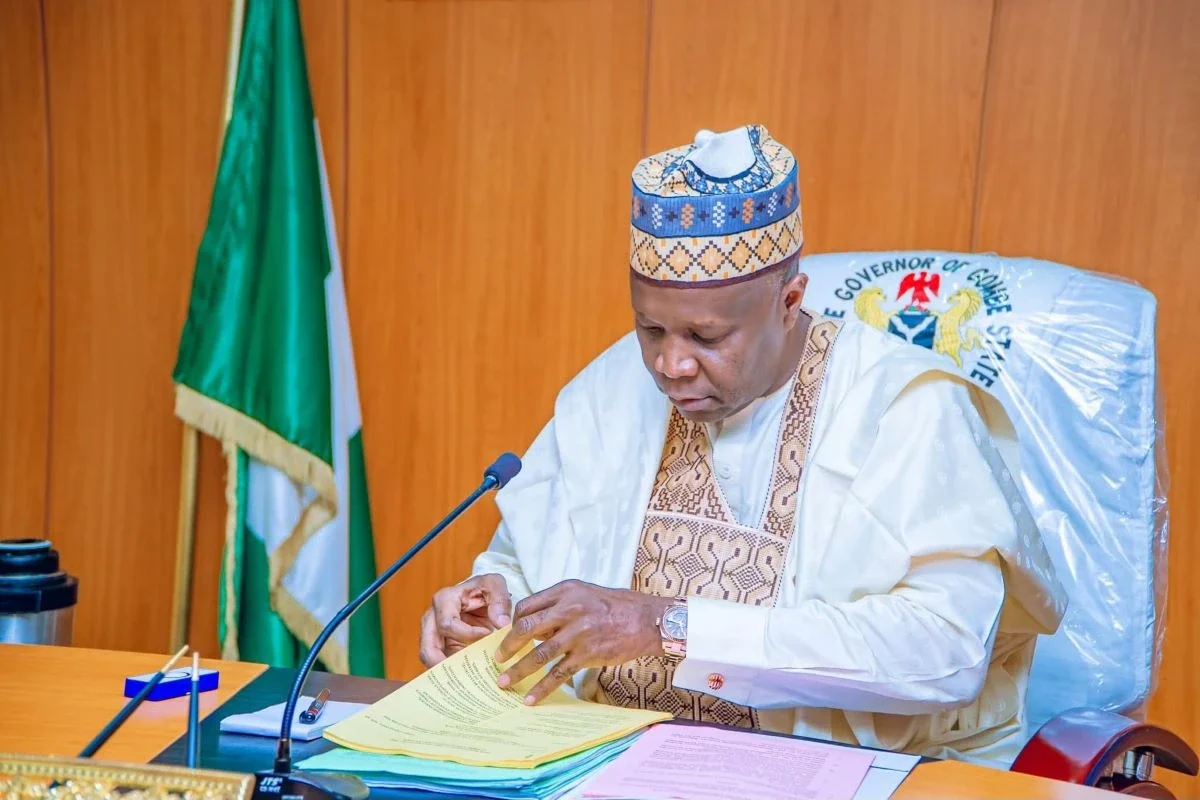
Government officials review progress on Nigeria’s CNG vehicle programme in Abuja
The Federal Government is stepping up efforts to expand compressed natural gas (CNG) adoption, targeting one million CNG-powered vehicles nationwide as part of its drive to reduce transportation costs following the removal of petrol subsidies.
/ You Might Also Like /




The Minister of State for Petroleum Resources (Gas), Ekperikpe Ekpo, gave the directive in Abuja while receiving progress reports from the Presidential Initiative on Compressed Natural Gas and Electric Vehicles (Pi-CNG & EV) and the Decade of Gas Secretariat.
Ekpo called on both organisations to increase investment, expand refuelling infrastructure and accelerate vehicle conversions to ensure that the programme delivers tangible benefits, particularly through lower transport fares.
Government Seeks Faster CNG Adoption
Ekpo said the Federal Government’s Auto CNG policy must translate into practical benefits for Nigerians, with cheaper transportation among its main objectives.
He urged the programme’s implementing bodies to prioritise interventions that would accelerate nationwide adoption and address gaps affecting the rollout.
The minister said Nigeria’s natural gas resources offered an opportunity to reduce transport expenses, increase domestic gas consumption and support economic growth.
He also assured the Presidential Initiative on CNG and Electric Vehicles of continued government support, stressing the need to move the programme forward through sustained investment and coordinated implementation.
Refuelling Infrastructure Remains a Priority
The government has identified refuelling infrastructure and vehicle conversion capacity as essential to achieving its one-million-vehicle target.
CNG adoption requires motorists and commercial transport operators to have access to suitable refuelling facilities, while vehicle conversion centres must be able to meet growing demand safely and efficiently.
Ekpo therefore called for sustained investment in these supporting facilities, alongside other components needed to expand the programme.
The scale of infrastructure development will influence how quickly vehicle owners can adopt CNG and how easily commercial operators can incorporate the fuel into their businesses.
Without sufficient refuelling access, operators may be reluctant to convert their vehicles, even where CNG offers potential savings compared with petrol.
Government Wants Lower Transport Fares
Reducing transportation costs remains a central objective of the CNG programme.
The initiative gained importance following the removal of petrol subsidies, which increased pressure on households and businesses facing higher transport expenses.
Ekpo said the government expected the programme to help make transportation more affordable. Wider adoption could reduce fuel expenditure for participating vehicle operators, although the extent of any savings for passengers will depend on operating costs, fuel availability and whether operators pass those savings on through lower fares.
The government’s challenge is therefore not limited to increasing the number of converted vehicles. It must also ensure that the programme produces measurable improvements in the cost of moving people and goods.
Domestic Gas Consumption Records Growth
Ekpo also highlighted growth in Nigeria’s domestic gas consumption, stating that supply had exceeded two billion cubic feet per day for the first time in the country’s history.
He said Nigeria’s substantial natural gas resources supported the government’s broader Decade of Gas agenda, which seeks to increase the use of gas across the economy.
Greater domestic gas utilisation could create opportunities for investment in energy infrastructure and related services. However, the transport programme’s progress will depend on the availability of suitable fuel supplies, distribution facilities and infrastructure that can support growing demand.
CNG Initiative Plans to Expand Investment
Pi-CNG & EV Chairman Ismaeel Ahmed said the initiative would seek to increase investment and expand vehicle conversions and CNG infrastructure nationwide.
He said the programme’s efforts were intended to encourage wider adoption and help reduce transportation fares for millions of Nigerians.
Ahmed also noted that a joint industry market study conducted by the Decade of Gas Secretariat provided a framework for accelerating implementation, tracking progress and identifying gaps.
Ed Ubong, Coordinator of the Decade of Gas Secretariat, described CNG as an important component of Nigeria’s energy transition and pledged continued support for efforts to expand domestic gas utilisation and exports.
Outlook for Nigeria’s Transport Sector
Nigeria’s target of one million CNG-powered vehicles signals an ambition to expand the use of natural gas in road transportation and reduce dependence on petrol.
Achieving that target will require sustained investment in refuelling facilities, vehicle conversion centres and the wider infrastructure needed to support adoption across the country.
For households and businesses, the programme’s practical value will depend on whether increased CNG use translates into lower transport fares and more affordable logistics.
The government has identified wider adoption and infrastructure investment as priorities. Progress towards the one-million-vehicle target, alongside evidence of sustained fare reductions, will be important measures of the programme’s impact.
READ MORE