FG Commissions 1MW Solar Project, Starts 16MW Mini-Grids in Gombe
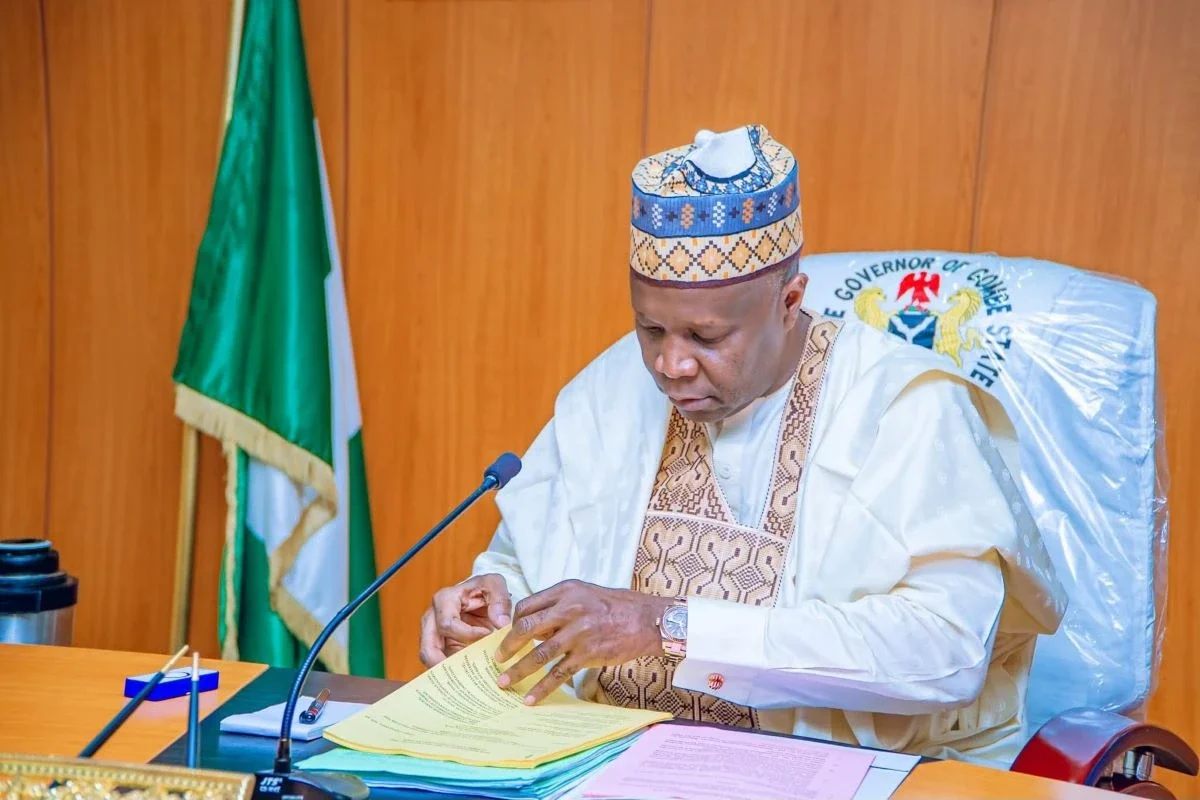
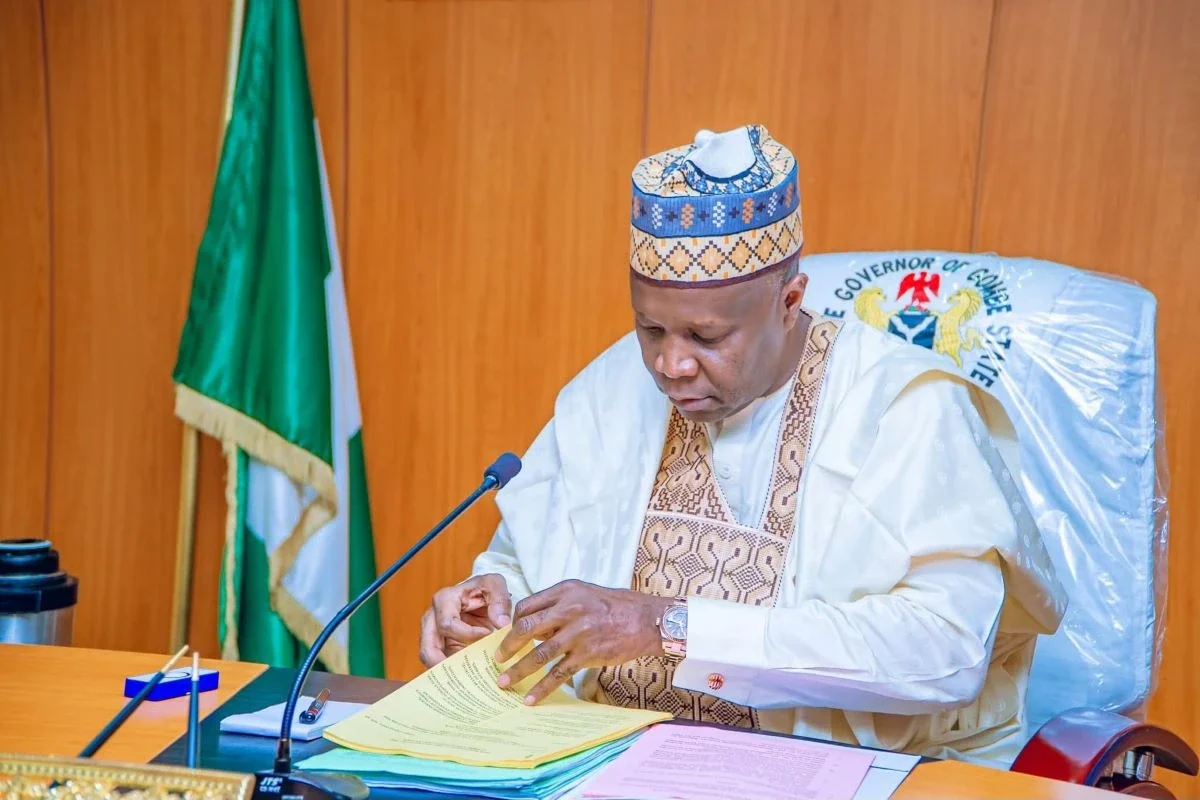
Governor Muhammadu Inuwa Yahaya
The Federal Government has commissioned a 1-megawatt (MW) solar mini-grid in Talasse, Balanga Local Government Area of Gombe State, while beginning construction of four additional interconnected mini-grid projects with a combined planned capacity of 16MW. The projects aim to improve electricity access for households, businesses and productive activities in communities with limited power supply.
/ You Might Also Like /




The commissioning took place on 17 October through a partnership involving the Federal Government, the Gombe State Government and the Rural Electrification Agency (REA). The newly commissioned facility includes a 2.4-megawatt-hour (MWh) battery energy storage system, while the four additional projects will serve Dukku, Bajoga, Kumo and Kaltungo.
The expansion forms part of Nigeria’s broader effort to deploy decentralised renewable energy infrastructure and extend electricity access to communities that face persistent supply constraints.
Talasse Solar Project Serves More Than 6,000 Connections
The commissioned Talasse facility has 1MW of solar generation capacity and a 2.4MWh battery storage system designed to support more reliable electricity supply.
REA Managing Director and Chief Executive Officer Abba Aliyu said the project serves 6,028 connections, comprising 5,929 residential connections, 84 commercial connections and 15 dedicated connections for productive economic activities.
The development also incorporates equipment intended to help local businesses process agricultural produce and improve transportation. These facilities include an electric groundnut oil processing plant, a modular electric rice mill, flour-grinding machines and electric tricycles.
The combination of electricity generation, storage and productive-use equipment is intended to extend the project's benefits beyond household lighting. Reliable power can help businesses operate machinery, process produce locally and reduce dependence on expensive alternative energy sources.
Talasse had reportedly gone more than 17 years without connection to the national grid, making the commissioning a significant change in its electricity infrastructure.
Four More Mini-Grids Planned Across Gombe
Alongside the Talasse commissioning, the government commenced work on four interconnected mini-grid projects in Dukku, Bajoga, Kumo and Kaltungo, with a combined planned capacity of 16MW.
The four projects represent additional infrastructure rather than an extension of the already commissioned Talasse facility. Their planned capacity should also be distinguished from electricity currently being supplied: the new installations must be completed and brought into operation before their intended benefits can be assessed.
The Minister of Power, Joseph Tegbe, said the projects form part of the administration’s efforts to expand electricity access and economic opportunities across different parts of Nigeria.
The initiatives are being delivered under the Distributed Access through Renewable Energy Scale-up (DARES) programme, which supports decentralised electricity solutions for underserved communities and productive users.
The available project announcement does not provide a detailed construction budget, the expected number of customer connections at each new site or a separate commissioning date for each project. Those details will be important for assessing the scale and pace of delivery.
Electricity Access Could Support Housing and Property Development
Reliable electricity is an important factor in the viability of residential developments, particularly in communities where grid supply remains limited or inconsistent.
For developers, dependable power can reduce the need to provide expensive backup systems across housing estates and help manage the operating costs associated with common facilities, security systems, water pumps and other essential services.
For households, better electricity access can improve daily living conditions and reduce dependence on petrol or diesel generators. However, the actual savings will depend on the cost of electricity, connection arrangements, reliability and the alternatives households currently use.
The Gombe projects could also make surrounding communities more attractive for small businesses and other economic activities. Where reliable power supports employment and local enterprise, it can strengthen the economic foundations of settlements and create conditions that support further housing demand.
These outcomes are not automatic. Electricity infrastructure must be accompanied by suitable roads, water supply, drainage, land-use planning and access to essential services if it is to support sustainable residential development.
Productive Infrastructure Extends the Economic Benefits
The Talasse project links electricity access with agricultural processing and local transportation. Its processing equipment could allow farmers and small businesses to undertake more activities within the community rather than depend entirely on facilities elsewhere.
This approach can help address a common limitation of rural electrification programmes: connecting households to electricity does not necessarily translate into stronger incomes or broader economic development unless residents can use the supply productively.
REA has emphasised a shift towards measuring the economic outcomes of electrification alongside installed capacity and customer connections. Under this approach, the value of a project depends not only on how much electricity it can generate, but also on whether the supply supports businesses, services and sustained local activity.
For Gombe, the results will depend on the reliability of the systems, the availability of equipment, maintenance arrangements and the ability of local businesses to use the infrastructure effectively.
Delivery and Reliability Will Determine Long-Term Impact
The commissioning of the Talasse mini-grid marks a completed infrastructure milestone, while the four additional projects remain at the construction stage. Maintaining that distinction is important when assessing progress under the wider electrification programme.
The government will need to ensure that the new systems meet construction schedules, establish functioning distribution networks and provide electricity on terms that households and businesses can afford.
Battery performance, maintenance funding, operator accountability and protection against vandalism will also influence long-term reliability. The number of connections alone cannot establish how consistently customers receive electricity or whether the service meets their needs.
Information on the new projects’ budgets, contractors, connection targets, tariffs and commissioning timelines would provide a clearer basis for tracking implementation.
Outlook for Housing and Infrastructure Development
The commissioning of the 1MW Talasse solar mini-grid and the start of four additional projects represent an expansion of decentralised electricity infrastructure in Gombe State. The commissioned facility already serves residential and commercial connections, while the four planned mini-grids are intended to extend access to more communities.
For Nigeria’s housing market, the broader significance lies in the relationship between electricity access, household living conditions and the viability of property development beyond established urban centres.
If the new projects deliver dependable and affordable power, they could support local enterprise and improve the conditions for residential investment. Their long-term contribution will depend on successful completion, sustainable operation and coordination with other infrastructure needed to support growing communities.
READ MORE