Nigeria Targets Single Digit Mortgage Rates and 35-Year Repayment Terms
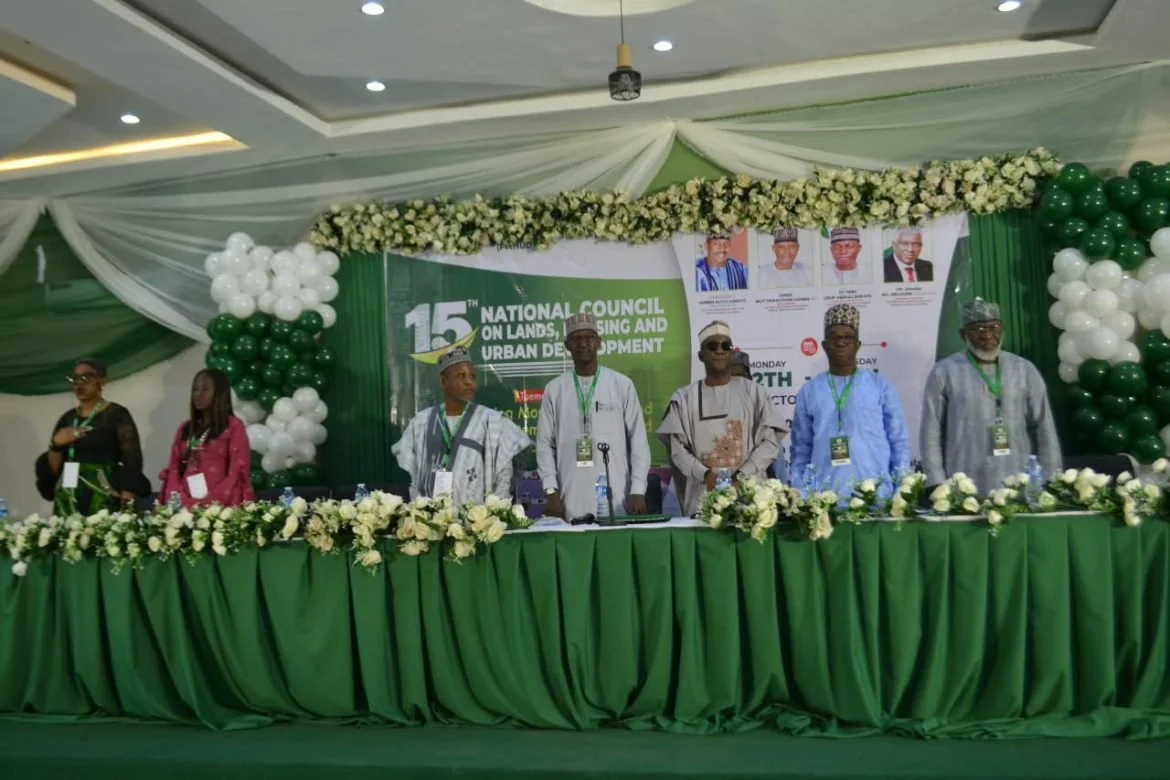
Housing officials are proposing lower mortgage rates and longer repayment terms to widen access to homeownership
The Federal Government and state governments are seeking single-digit mortgage interest rates and repayment periods of up to 35 years as part of proposals to make homeownership more affordable in Nigeria.
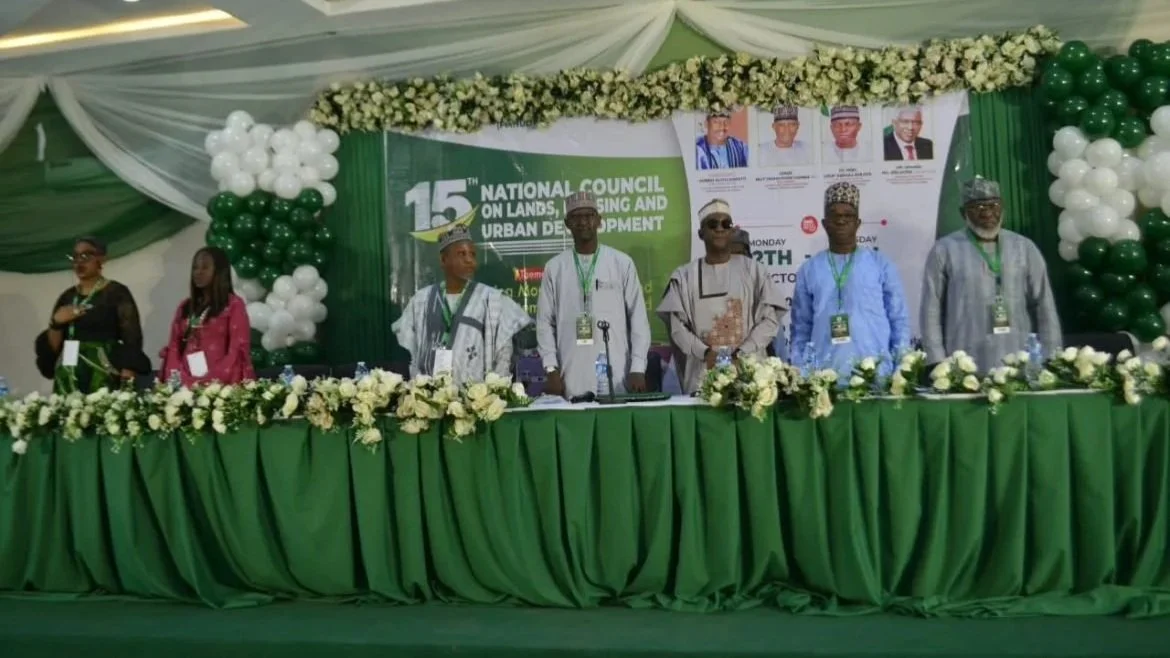
The proposals were discussed at the 15th meeting of the National Council on Land, Housing and Urban Development, which is holding in Sokoto from 12 to 16 October 2026.
/ You Might Also Like /




Sokoto State Commissioner for Lands, Housing, Survey and Country Planning, Nasiru Aliyu Dantsoho, said reducing mortgage rates and extending repayment periods could lower borrowers’ monthly obligations and improve access to homeownership.
The discussions also covered expanding mortgage access to informal-sector workers, improving land administration and strengthening the institutional systems supporting housing delivery.
Single-Digit Rates Proposed to Reduce Mortgage Costs
Dantsoho called for mortgage interest rates to fall from current double-digit levels to single digits, alongside an extension of repayment periods from 25 to 35 years.
High borrowing costs can make homeownership difficult for households whose earnings cannot comfortably support large monthly mortgage payments. Lower interest rates could reduce the cost of financing, while longer repayment periods could spread the principal and interest over more years.
However, the impact would depend on the actual rates offered by mortgage providers, borrowers’ eligibility and the availability of long-term funding.
The proposal is not yet a confirmed nationwide mortgage-rate reduction. It remains part of the recommendations being considered through the council’s deliberations.
Informal-Sector Workers Remain a Focus of Mortgage Reform
The commissioner also called for wider access to mortgage financing for traders, farmers and other self-employed Nigerians who are often excluded from conventional housing finance arrangements.
Many informal-sector workers earn income that varies by season, sales or business activity. Mortgage products built around rigid monthly repayment schedules and conventional proof-of-income requirements may therefore be difficult for them to access.
Dantsoho urged financial institutions, including the Federal Mortgage Bank of Nigeria, to provide adequate funding and introduce repayment arrangements that reflect the income patterns of different categories of borrowers.
More flexible eligibility rules and repayment structures could broaden access to formal housing finance. Their effectiveness, however, would depend on lenders’ ability to assess borrowers’ income reliably and manage repayment risks without making financing unsustainable.
Longer Repayment Terms Could Change Monthly Mortgage Payments
Extending mortgage repayment periods from 25 to 35 years could reduce monthly payments by spreading repayments over a longer period, assuming the interest rate and other loan conditions remain unchanged.
For prospective buyers, this could improve the relationship between monthly earnings and the cost of purchasing a home.
Longer repayment terms do not automatically make a property affordable, however. Borrowers may pay more interest over the life of a loan, while high property prices, deposit requirements, fees and unstable income can continue to prevent households from qualifying for mortgages.
The proposal would therefore need to be considered alongside housing supply, property prices, mortgage funding and borrowers’ ability to sustain repayments.
Land Administration Reforms Also Feature in Housing Discussions
The council’s deliberations extend beyond mortgage financing to the land systems that influence housing development.
Dantsoho called for states to digitise land administration systems to improve efficiency, transparency and access to land for residential projects.
At the meeting, Sokoto State Permanent Secretary in the Ministry of Lands and Housing, Ahmad Moyi Tambuwal, highlighted efforts to digitise land records, reduce the time required to process Certificates of Occupancy and provide land for mass housing projects under the Federal Government’s Renewed Hope Housing Programme.
More efficient land documentation could help developers verify property rights and reduce delays during project preparation. For homebuyers, reliable records can support due diligence and reduce uncertainty around ownership.
These measures address a different but related constraint: lower mortgage rates may improve access to financing, but buyers and developers also need a land system that enables properties to be documented, developed and transferred efficiently.
Housing Council to Harmonise Policy Recommendations
The meeting is themed “Strengthening Mortgage, Land and Institutional Systems for Accelerated and Inclusive Housing Delivery.”
According to the Federal Ministry of Housing and Urban Development, the council is using a three-stage process to consider, harmonise and adopt policy recommendations.
Technical sessions will examine the proposals before permanent secretaries from the states, the Federal Capital Territory and the federal ministry review and harmonise the recommendations. The final stage will involve the housing minister, minister of state and state commissioners.
The council is also reviewing resolutions from its previous meeting in Ilorin, Kwara State.
The outcome of this process will determine which proposals receive the council’s endorsement and what further action may be required from the relevant governments and institutions.
Implementation Will Determine Whether Mortgages Become More Affordable
The proposals for single-digit mortgage rates and repayment periods of up to 35 years could influence how housing finance develops in Nigeria if they translate into workable lending arrangements.
For prospective homeowners, the central issue is whether mortgage products become affordable relative to household earnings. For mortgage institutions, delivering lower rates and longer repayment periods will require access to suitable long-term funding and mechanisms for managing credit risks.
Widening eligibility for informal-sector workers will also require lending models that account for irregular income without excluding borrowers who can demonstrate the capacity to repay.
The council’s discussions have identified several areas for reform, but the proposals are not evidence that mortgage rates have already fallen or that 35-year loans are now available nationwide.
The next stage is to establish which recommendations are adopted and how governments and financial institutions will implement them. Their practical success will ultimately depend on whether more Nigerians can qualify for and sustain mortgage payments to purchase homes.
READ MORE