Atiku Demands Lagos-Calabar Highway Contract and Payment Records from FG
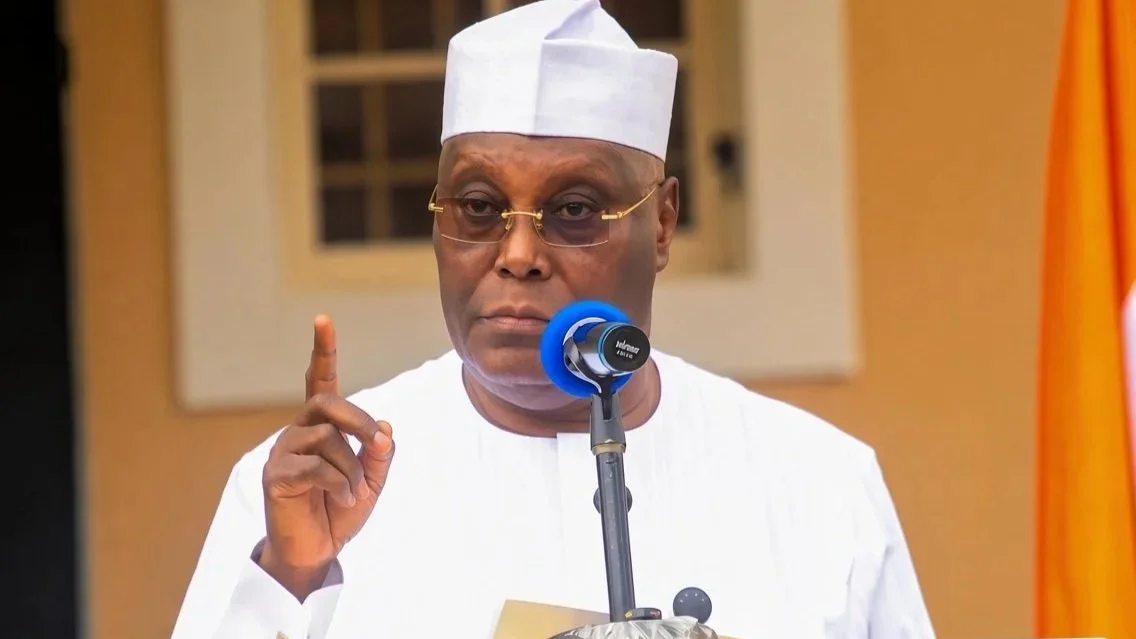
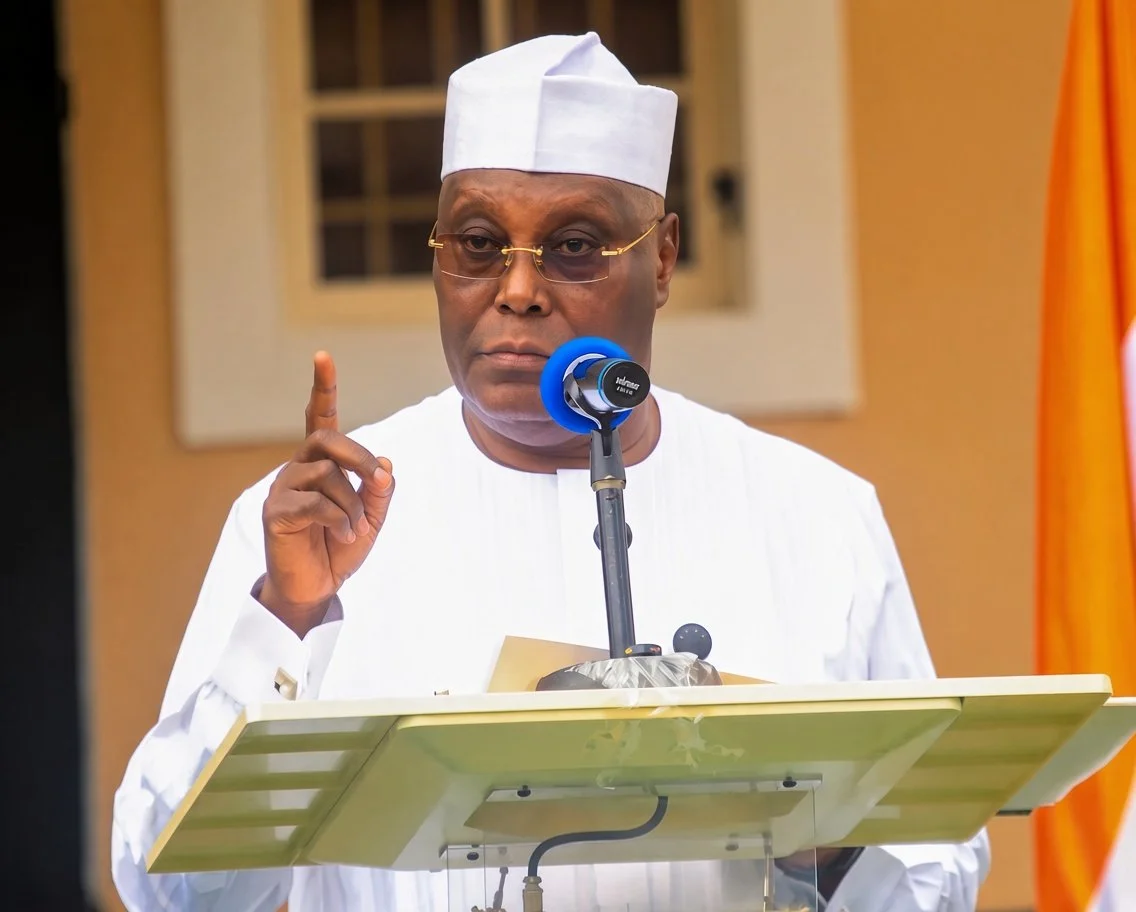
Atiku Abubakar has called for greater transparency over the Lagos-Calabar Coastal Highway
Former Vice-President Atiku Abubakar has urged the Federal Government to publish the contract documents, payment records and financing details for the Lagos-Calabar Coastal Highway following reports of changes to sections of the project’s route.
/ You Might Also Like /




Atiku said the reported adjustments had raised questions about the original contract, payments already made and the financial implications of the revised alignment.
The call was contained in a statement issued on Monday by Phrank Shaibu, Director of Strategic Communication of the African Democratic Congress (ADC) Presidential Campaign Council.
Atiku also raised concerns about the possibility of additional borrowing to finance payments associated with the highway, asking the government to disclose any proposed loan and identify the contract obligations it would cover.
Atiku Questions Financial Implications of Route Changes
Atiku argued that changes to the highway’s alignment should be accompanied by a clear account of how the revisions affect the original contract, the work to be delivered and the total project cost.
He asked the government to disclose how much it had paid under the existing contract, what work might be removed or altered and whether the revised route would change the project’s overall price.
The former vice-president also called for the publication of the original feasibility studies, environmental assessments, route maps, bills of quantities, contract variations and approvals issued by the Bureau of Public Procurement.
These documents would help establish the contractual basis for the project, the scope of any approved changes and their implications for public expenditure.
Atiku maintained that Nigerians should be able to examine the financial consequences of changes to a major infrastructure project, particularly where additional public financing may be involved.
Proposed Borrowing Raises Questions About Project Financing
Atiku alleged that the Federal Government might be preparing to seek additional borrowing to finance payments connected to the coastal highway.
He asked the administration to disclose the terms and purpose of any proposed loan, the contracts it would finance and the payments already made.
The former vice-president also urged the government to clarify whether a borrowing request existed, saying that any such proposal should be made public before the National Assembly considers it.
However, the reported borrowing remains an allegation raised by Atiku. His statement did not establish that the Federal Government had formally submitted or secured approval for a new loan connected to the highway.
The distinction is important because a request for disclosure about possible borrowing does not, by itself, confirm that a loan has been proposed, approved or disbursed.
National Assembly Urged to Hold Public Hearing
Atiku called on the National Assembly to organise a public hearing before considering any additional financing associated with the highway.
He said lawmakers should have access to the relevant contracts, payment certificates, revised route plans and borrowing proposals to assess the financial implications of the project.
He also urged legislators to examine the approvals for any changes in the scope of work and the corresponding adjustments to project costs.
A public hearing could provide an opportunity for government officials and other relevant parties to explain the contractual and financial basis of the project. Any such process would depend on action by the National Assembly.
Atiku linked his demand to broader concerns about transparency in public infrastructure spending, arguing that changes to project scope and costs should be properly documented and subject to scrutiny.
Highway Route Changes Follow Fresh Government Clarifications
The demand for disclosure follows renewed discussion about the alignment of the Lagos-Calabar Coastal Highway and the proposed use of sections of the existing East-West Road.
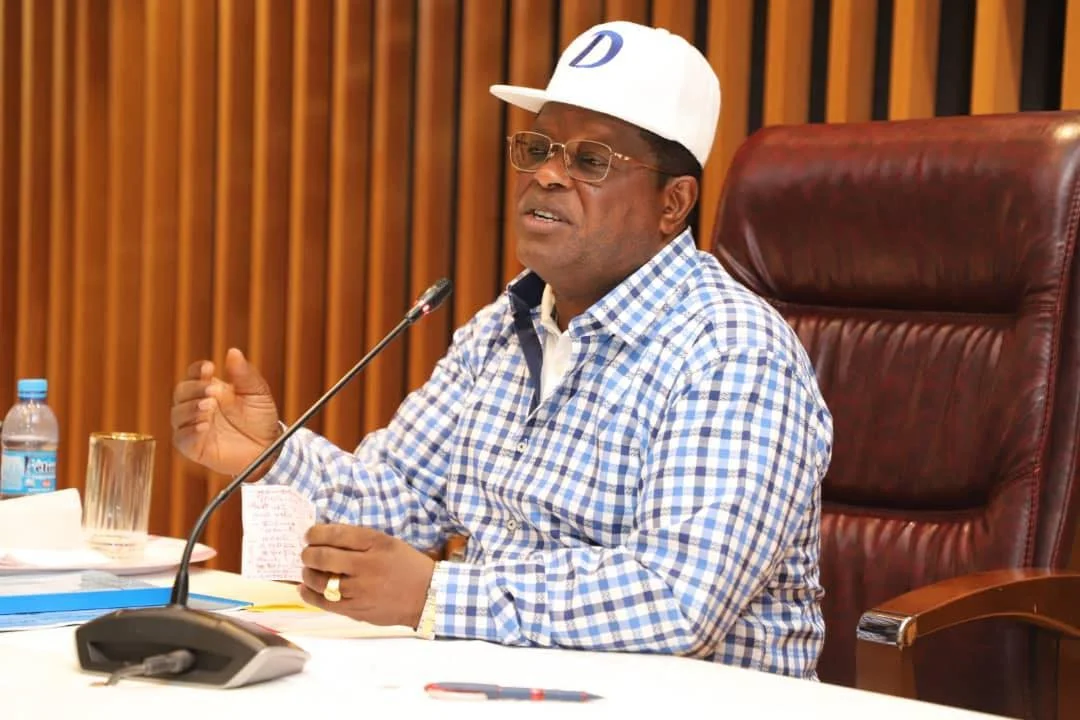
Works Minister David Umahi has said the 750-kilometre coastal highway remains intact, while the government is considering additional East-West Road works to address connectivity and flooding challenges in parts of the Niger Delta.
Umahi explained that the proposed intervention would not replace the entire coastal highway, although reported changes to sections of the route have raised questions about the original alignment and the financial implications of the adjustments.
The government’s explanation and Atiku’s demands address different aspects of the dispute. While the ministry has defended the engineering rationale for the route decisions, Atiku is seeking access to the records needed to assess their contractual and financial consequences.
The government has not, in the report, provided a complete public accounting of the original contract, payments made and the financial effect of the reported changes.
Transparency Matters for Major Infrastructure Projects
The controversy highlights the importance of transparent contract management when major infrastructure projects undergo changes in route, design or scope.
For a project of the coastal highway’s scale, changes may affect construction quantities, land requirements, environmental assessments, compensation obligations and delivery costs. Establishing the financial impact requires access to the original contract, approved variations, payment certificates and revised cost estimates.
Public disclosure can help lawmakers, auditors and citizens distinguish between payments for work completed, commitments under existing contracts and additional funding requirements.
For the housing and real estate sector, the issue is also relevant because large transport projects can influence land values, development decisions and the accessibility of communities along their routes. Clear information about project scope, financing and delivery timelines helps developers, investors and landowners assess the implications for surrounding areas.
However, the economic and property-market effects of the highway will depend on its eventual alignment, completion, supporting infrastructure and connections to local development corridors.
Disclosure and Accountability Remain Central to the Dispute
Atiku’s demands place the coastal highway’s contract documentation, payment history and possible financing requirements at the centre of the current debate.
The key unresolved questions include the financial effect of reported route changes, the amount already paid under the original contract and whether any additional borrowing is being considered.
Publication of the relevant records would allow the public and the National Assembly to examine those issues using the underlying contractual and financial information rather than competing claims alone.
For now, Atiku’s request represents a demand for disclosure, not proof of wrongdoing or confirmation of an approved new loan. The next substantive development will depend on the government’s response and whether the relevant documents are made available for public scrutiny.
READ MORE